A Natural Solution for California's Herds: African Catfish Peptides

California's cattle producers and agricultural communities are all too familiar with the rising challenge of antibiotic resistance, making common bacterial infections harder to treat in livestock. But imagine a future where we could tackle these infections with a natural, powerful alternative. Our research points to just that: antimicrobial peptides (AMPs) found in African catfish.

We're really excited about these peptides because African catfish thrive in pathogen-rich freshwater, naturally producing these robust immune compounds in their skin mucus as a defense. This natural origin makes them highly appealing alternatives to synthetic drugs.

Predicted Safety and Potent Action

One of the most compelling aspects of these AMPs is their predicted safety for mammals. Our initial computer analyses suggest that various catfish AMPs are generally recognized as safe (GRAS). We predict they'll be absorbed in the human intestine without causing liver, brain, or heart toxicity. Furthermore, lab tests on a promising peptide, NACAP-II, confirmed it was non-hemolytic, meaning it didn't damage rabbit red blood cells—a strong indicator of its potential safety for mammalian cells.

Beyond safety, these peptides demonstrate effectiveness against problematic bacteria. One study revealed NACAP-II's strong activity against Extended-Spectrum Beta-Lactamase (ESBL)-producing Escherichia coli—a critical concern for both animal and human health due to its resistance to many common antibiotics. Another peptide, ACAP-IV, also showed antibacterial activity against E. coli and Staphylococcus aureus. We believe these AMPs work by directly disrupting bacterial cell membranes, a mechanism that makes it harder for bacteria to develop resistance compared to how they resist traditional antibiotics.
Primary Image
photo by Nancy Forrest
Under the Solano Sun: Article

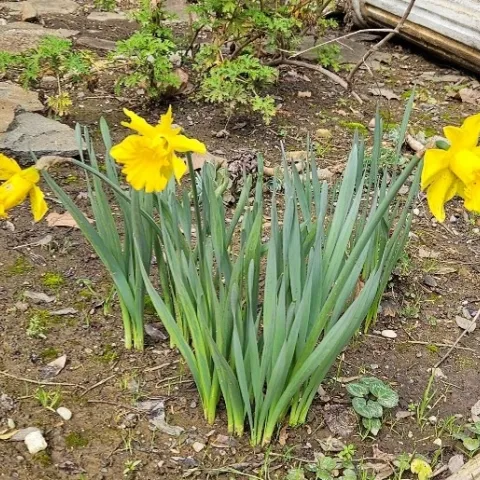
Daffodil Days

February 22, 2024
One of my favorite flowers is the Daffodil (Narcissus), they are part of the Amaryllidaceae family, grown from bulbs that go dormant in the winter months. Since the 1950's they have been a symbol of hope and resilience in the face of cancer.
View Article
Primary Image
Photo May 07 2023, 11 12 28 AM
Ranching in the Sierra Foothills: Article

Changes Ahead

February 21, 2024
By Daniel K Macon
As some of you know, 2023 was an incredibly difficult year for my family and me. My wife of 33 years, Samia, was diagnosed with an aggressive form of brain cancer last February.
View Article
ANR Contracts & Grants Updates: Article

Foundation for Food & Agriculture Research - Seeding Solutions

February 21, 2024
By Kendra T Rose
Dear Colleagues, Foundation for Food & Agriculture Research is soliciting pre-proposals for their Seeding Solutions grant program. Seeding Solutions encourages the development of unique partnerships that support innovative and transformative research focused on one of our Research Priority Areas.
View Article
UC Cooperative Extension Imperial County: Article

Vegetable Production and IPM Webinar with Zoom

February 21, 2024
Attached you will find the Agenda for our Vegetable Production and IPM Zoom Webinar to be held Thursday, February 28, 2024. The registration link is at the top. Hope you can join us.
View Article
Primary Image
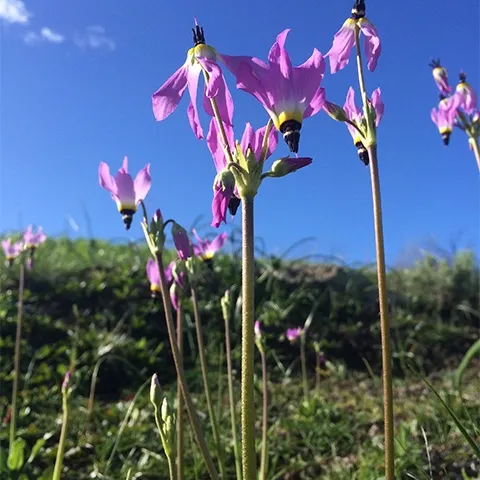
Shooting stars, or Dodecatheon clevelandii; pink blooms reach for the blue sky
Green Blog: Article

Car fumes, weeds pose double-whammy for fire-loving native plants

February 21, 2024
By Michael Hsu
Northwest of Los Angeles, springtime brings native wildflowers to bloom in the Santa Monica Mountains. These beauties provide food for insects, maintain healthy soil and filter water seeping into the ground in addition to offering breathtaking displays of color.
View Article
Primary Image
Screenshot 2024-02-21 at 9.32.55?AM
Alfalfa & Forage News: Article

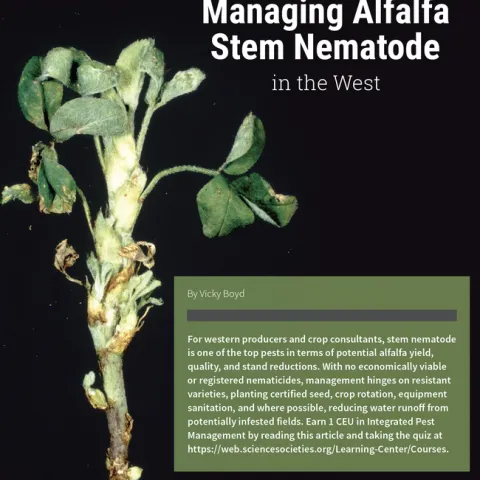
Alfalfa Stem Nematode Management

February 21, 2024
By Rachael Long
This is a great article on Stem Nematode management in the West. Stem Nematode has been a severe pest in some years throughout California's Central Valley and high mountain valleys.
View Article