A Natural Solution for California's Herds: African Catfish Peptides

California's cattle producers and agricultural communities are all too familiar with the rising challenge of antibiotic resistance, making common bacterial infections harder to treat in livestock. But imagine a future where we could tackle these infections with a natural, powerful alternative. Our research points to just that: antimicrobial peptides (AMPs) found in African catfish.

We're really excited about these peptides because African catfish thrive in pathogen-rich freshwater, naturally producing these robust immune compounds in their skin mucus as a defense. This natural origin makes them highly appealing alternatives to synthetic drugs.

Predicted Safety and Potent Action

One of the most compelling aspects of these AMPs is their predicted safety for mammals. Our initial computer analyses suggest that various catfish AMPs are generally recognized as safe (GRAS). We predict they'll be absorbed in the human intestine without causing liver, brain, or heart toxicity. Furthermore, lab tests on a promising peptide, NACAP-II, confirmed it was non-hemolytic, meaning it didn't damage rabbit red blood cells—a strong indicator of its potential safety for mammalian cells.

Beyond safety, these peptides demonstrate effectiveness against problematic bacteria. One study revealed NACAP-II's strong activity against Extended-Spectrum Beta-Lactamase (ESBL)-producing Escherichia coli—a critical concern for both animal and human health due to its resistance to many common antibiotics. Another peptide, ACAP-IV, also showed antibacterial activity against E. coli and Staphylococcus aureus. We believe these AMPs work by directly disrupting bacterial cell membranes, a mechanism that makes it harder for bacteria to develop resistance compared to how they resist traditional antibiotics.

Primary Image
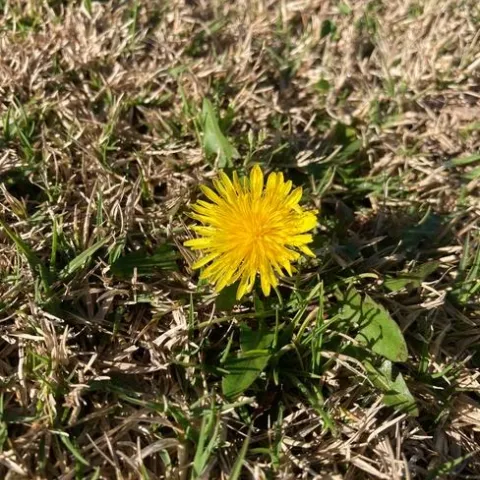
Frequent mowing helps prevent dandelions from producing and disbursing seed. (Photo: Jeannette Warnert)
Fresno Gardening Green: Article

Spring comes early in Fresno County with a profusion of springtime weeds

February 22, 2024
The astronomical calendar may say we're still in the midst of winter, but in Fresno County, the meteorological calendar tells a different story. Saturated soil and warming, spring-like conditions are pushing weeds to germinate in earnest. Quick attention is needed to maintain control.
View Article
Primary Image
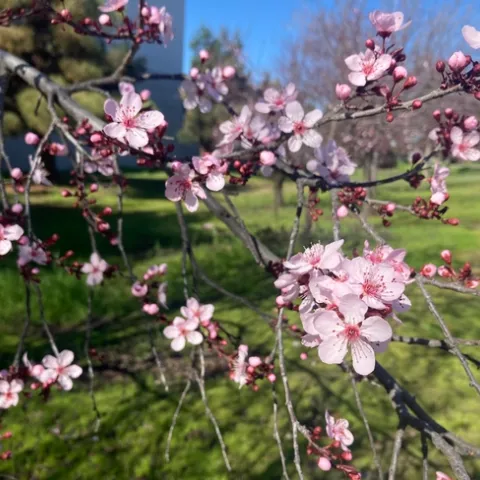
It's blossom season in Fresno County. (Photos: Jeannette Warnert)
Fresno Gardening Green: Article

This week in the garden: Feb. 23 - March 1

February 22, 2024
Take a drive along the Blossom Trail. March is the time to put winter's planning into action as spring comes to the garden. Tasks Continue fruit tree spraying and spray fungicide on apple and cherry trees.
View Article
Santa Cruz County: Article

4-H Summer Camp in Felton

February 22, 2024
Hello 4-H families, We have been invited to join Santa Cruz county 4-H youth at summer camp in Felton near Roaring Camp. See the attached flyer for more details on registering for camp. We have some scholarships available to help with the registration cost of 4-H camp.
View Article
Primary Image
A group of sixth graders stand with educators in a classroom
Healthy Communities Blog: Article

Sixth graders advocate for physical activity upgrades at school

February 22, 2024
By Michael Hsu
It's not uncommon for high school or college students to speak up and seek to improve their school environment. But at Evergreen Middle School in Tehama County, more than 100 sixth graders led the way to create healthy changes at their school.
View Article