A Natural Solution for California's Herds: African Catfish Peptides

California's cattle producers and agricultural communities are all too familiar with the rising challenge of antibiotic resistance, making common bacterial infections harder to treat in livestock. But imagine a future where we could tackle these infections with a natural, powerful alternative. Our research points to just that: antimicrobial peptides (AMPs) found in African catfish.

We're really excited about these peptides because African catfish thrive in pathogen-rich freshwater, naturally producing these robust immune compounds in their skin mucus as a defense. This natural origin makes them highly appealing alternatives to synthetic drugs.

Predicted Safety and Potent Action

One of the most compelling aspects of these AMPs is their predicted safety for mammals. Our initial computer analyses suggest that various catfish AMPs are generally recognized as safe (GRAS). We predict they'll be absorbed in the human intestine without causing liver, brain, or heart toxicity. Furthermore, lab tests on a promising peptide, NACAP-II, confirmed it was non-hemolytic, meaning it didn't damage rabbit red blood cells—a strong indicator of its potential safety for mammalian cells.

Beyond safety, these peptides demonstrate effectiveness against problematic bacteria. One study revealed NACAP-II's strong activity against Extended-Spectrum Beta-Lactamase (ESBL)-producing Escherichia coli—a critical concern for both animal and human health due to its resistance to many common antibiotics. Another peptide, ACAP-IV, also showed antibacterial activity against E. coli and Staphylococcus aureus. We believe these AMPs work by directly disrupting bacterial cell membranes, a mechanism that makes it harder for bacteria to develop resistance compared to how they resist traditional antibiotics.
Primary Image
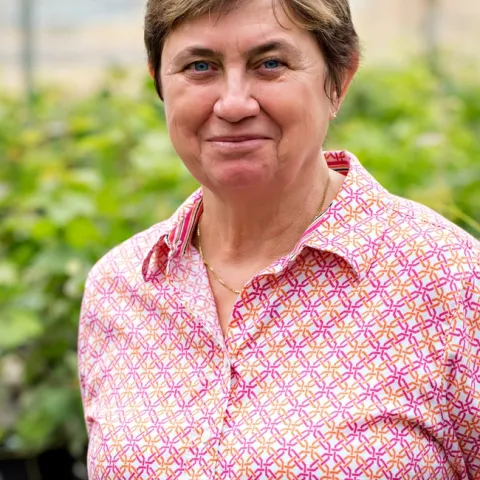
Deborah Golino
ANR Employee News: Article

In memoriam: Deborah Golino

January 22, 2024
By Pamela S Kan-Rice
Golino remembered for guiding evolution of Foundation Plant Services and advocating for the use of clean plants Deborah Golino, former director of Foundation Plant Services in the UC Davis College of Agricultural and Environmental Sciences, passed away on Dec. 23, 2023.
View Article
UC Cooperative Extension Imperial County: Article

Vegetable Production & IPM Workshop Agenda

January 22, 2024
Attached is the Agenda for the Vegetable Production & IPM Workshop to be held on February 28, 2024. There is a registration link at the top. This will be done via Zoom.
View Article
Primary Image
Cattle grazing
Green Blog: Article

Fighting fire with feeding

January 22, 2024
By Michael Hsu
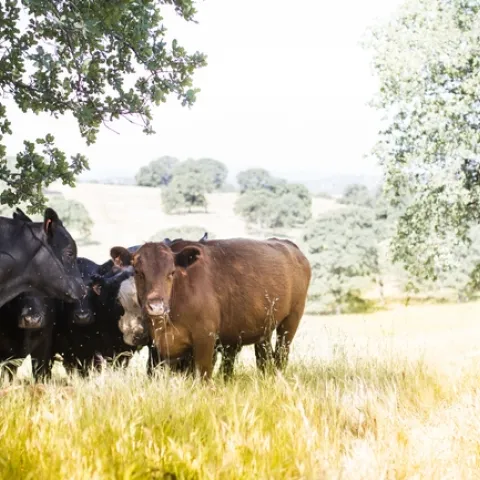
California's cattle ranchers contribute a significant amount to the region's culture, economy and food supply, but do they also inadvertently help to temper the wildfires that have been plaguing the state? And if so, is it a better alternative environmentally speaking to letting grasslands burn?
View Article
Topics in Subtropics: Article

Organic Tips

January 22, 2024
By Ben A Faber
Furrow Cover Cropping to Reduce Runoff, Soil Erosion and Weeds ORGANIC SEMINAR SERIES LUNCH TIME TUESDAY January 23, 2024 12:00 - 1:00 PM VIA ZOOM ZOOM MEETING LINK ISHERE The presentation will be recorded. Discussion and questions and answers will be removed from posted recordings.
View Article
Primary Image
rat damage to citrus
Topics in Subtropics: Article

What About Rats?

January 22, 2024
By Ben A Faber
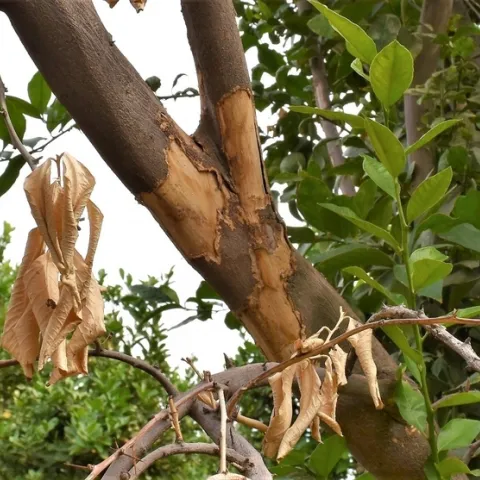
Well, what about Rats? if you want to know something that might have been touched on in our many blog articles covering the range of issues covering subtropical tree crops and other topics of collateral interest, check out the SEARCH button at our website. https://ucanr.
View Article
Primary Image
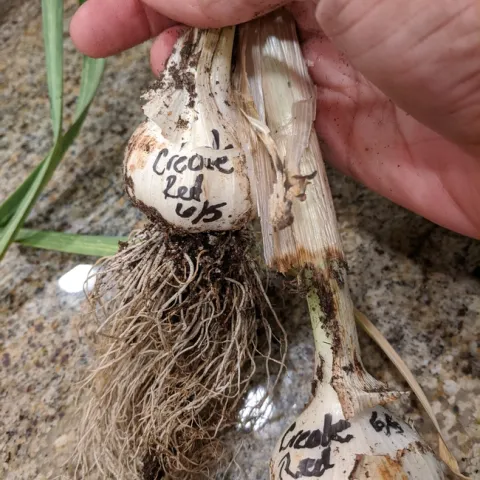
Creole Red. photos by Nanelle Jones-Sullivan
Under the Solano Sun: Article

Hardneck Garlic Challenge

January 22, 2024
Why do I keep trying to grow hard neck garlic? Well, it's because hard neck garlic is said to be more flavorful, and the cloves are bigger and easier to peel! Or it is for thescapes I think, or because they are different from what we can buy locally.
View Article
Primary Image
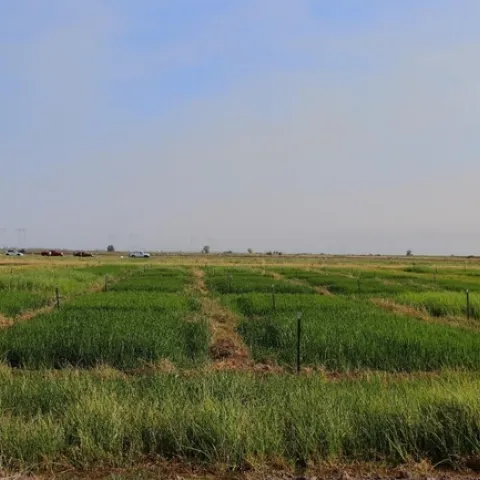
Figure 2. Zembu treated rice plots in 2021. The distinct dark green rice leaves are observed in the Zembu treated plots. The plots with the lighter green are the nontreated and demonstrate the weed pressure in the field.
UC Weed Science (weed control, management, ecology, and minutia): Article

Zembu™: A New Residual Herbicide for Early-Season Weed Control in Water-Seeded Rice

January 21, 2024
By Kassim Al-Khatib, Sarah Marsh Janish
A new herbicide for early-season weed control in water-seeded rice will be available soon. The herbicide active ingredient (a.i.) is pyraclonil, which will be trademarked as Zembu (1.8% a.i.) by Nichino, America Inc. The mode of action is a protox porphyrinogen (PPO)-inhibitor or Group 14.
View Article