A Natural Solution for California's Herds: African Catfish Peptides

California's cattle producers and agricultural communities are all too familiar with the rising challenge of antibiotic resistance, making common bacterial infections harder to treat in livestock. But imagine a future where we could tackle these infections with a natural, powerful alternative. Our research points to just that: antimicrobial peptides (AMPs) found in African catfish.

We're really excited about these peptides because African catfish thrive in pathogen-rich freshwater, naturally producing these robust immune compounds in their skin mucus as a defense. This natural origin makes them highly appealing alternatives to synthetic drugs.

Predicted Safety and Potent Action

One of the most compelling aspects of these AMPs is their predicted safety for mammals. Our initial computer analyses suggest that various catfish AMPs are generally recognized as safe (GRAS). We predict they'll be absorbed in the human intestine without causing liver, brain, or heart toxicity. Furthermore, lab tests on a promising peptide, NACAP-II, confirmed it was non-hemolytic, meaning it didn't damage rabbit red blood cells—a strong indicator of its potential safety for mammalian cells.

Beyond safety, these peptides demonstrate effectiveness against problematic bacteria. One study revealed NACAP-II's strong activity against Extended-Spectrum Beta-Lactamase (ESBL)-producing Escherichia coli—a critical concern for both animal and human health due to its resistance to many common antibiotics. Another peptide, ACAP-IV, also showed antibacterial activity against E. coli and Staphylococcus aureus. We believe these AMPs work by directly disrupting bacterial cell membranes, a mechanism that makes it harder for bacteria to develop resistance compared to how they resist traditional antibiotics.
UC Weed Science (weed control, management, ecology, and minutia): Article

Herbicide Calibration for Roadside Applications

January 24, 2024
By Chris J McDonald
Roadsides are often a very difficult place to control weeds. Weeds thrive on roadsides and roadsides and rights of way are obviously long and narrow.
View Article
Primary Image
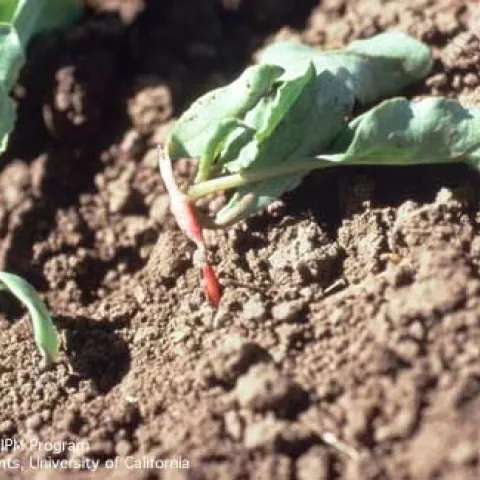
Two leafy green seedlings drooped over onto the soil.
Pests in the Urban Landscape: Article

Damping-off of Seedlings

January 24, 2024
By Lauren Fordyce
Springtime planting is almost here but don't rush to plant seeds until the soil has warmed up! Planting seeds too soon, when the soil is cold and wet, risks losing them to damping-off, a disease caused by fungi and oomycetes in the soil.
View Article
Primary Image
citrus SAR
Topics in Subtropics: Article

Transgenic Citrus to Combat HLB

January 24, 2024
By Ben A Faber
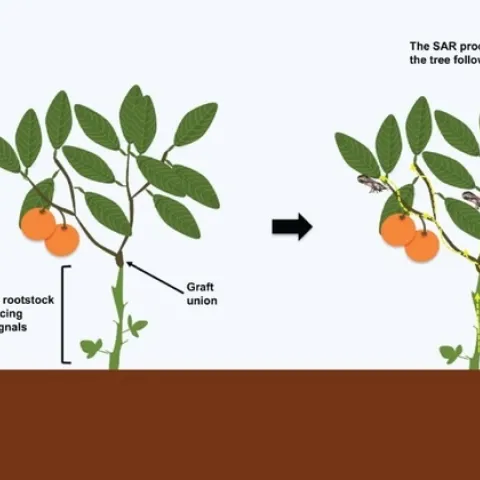
Boosting Citrus Tree Immunity to Combat HLB By Manjul Dutt, Juliana Soares and Jude Grosser October 28, 2020 HLB Management , https://citrusindustry.net/2020/10/28/boosting-citrus-tree-immunity-to-combat-hlb/ Figure 1.
View Article
Primary Image
elvie
Under the Solano Sun: Article

Nature's Insightful Messages

January 24, 2024
Plant Talk Good day vibrant plant You look healthy and happy What makes you tick? I am in the right soil My support system underneath my feet is alive. Healthy soil; happy plant! At ground zero, the world of plants is revealed. Some thrive under the sun, Others are scorched like humans.
View Article
Primary Image
photos by Lanie Keystone from non-copyright brochure from Montecello
Under the Solano Sun: Article

Jefferson's Montecello Garden and the Big Reveal!

January 24, 2024
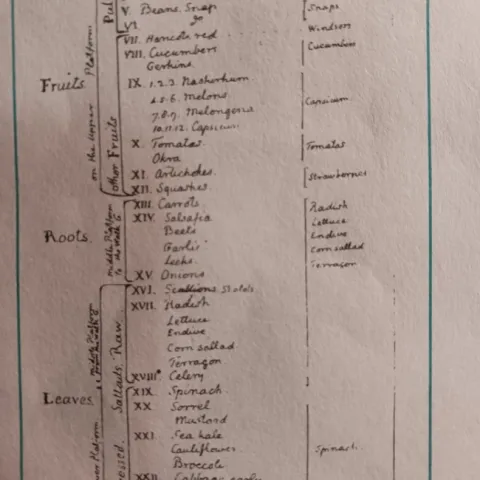
In our November blog, we revealed how Thomas Jefferson became the Founding Father of gardening innovation at his beloved Monticello. He was a grand experimenter, a disciplined scientist and an extraordinary gardener.
View Article