A Natural Solution for California's Herds: African Catfish Peptides

California's cattle producers and agricultural communities are all too familiar with the rising challenge of antibiotic resistance, making common bacterial infections harder to treat in livestock. But imagine a future where we could tackle these infections with a natural, powerful alternative. Our research points to just that: antimicrobial peptides (AMPs) found in African catfish.

We're really excited about these peptides because African catfish thrive in pathogen-rich freshwater, naturally producing these robust immune compounds in their skin mucus as a defense. This natural origin makes them highly appealing alternatives to synthetic drugs.

Predicted Safety and Potent Action

One of the most compelling aspects of these AMPs is their predicted safety for mammals. Our initial computer analyses suggest that various catfish AMPs are generally recognized as safe (GRAS). We predict they'll be absorbed in the human intestine without causing liver, brain, or heart toxicity. Furthermore, lab tests on a promising peptide, NACAP-II, confirmed it was non-hemolytic, meaning it didn't damage rabbit red blood cells—a strong indicator of its potential safety for mammalian cells.

Beyond safety, these peptides demonstrate effectiveness against problematic bacteria. One study revealed NACAP-II's strong activity against Extended-Spectrum Beta-Lactamase (ESBL)-producing Escherichia coli—a critical concern for both animal and human health due to its resistance to many common antibiotics. Another peptide, ACAP-IV, also showed antibacterial activity against E. coli and Staphylococcus aureus. We believe these AMPs work by directly disrupting bacterial cell membranes, a mechanism that makes it harder for bacteria to develop resistance compared to how they resist traditional antibiotics.

Primary Image
Blue oaks dot the foothills of the coast range. Laura Lukes
The Real Dirt: Article

Finding an Ecological Niche: The Blue Oak

December 29, 2023
[Note: Blue oak (Quercus douglasii), gray pine (Pinus sabiniana), and buckeye (Aesculus californica) are three species that thrive in rugged local foothill woodland and chaparral habitat.
View Article
Primary Image
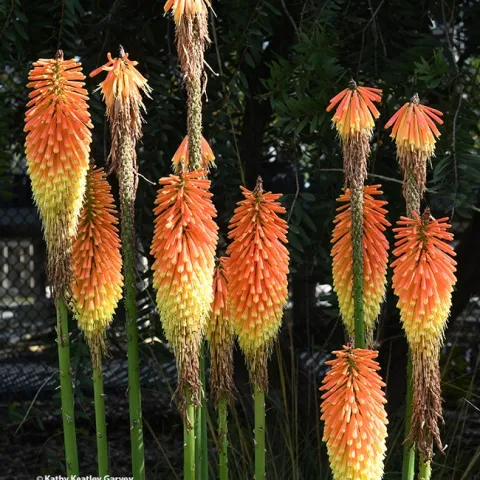
The Kniphofia "Christmas Cheer" poker plant, seen here in the Ruth Risdon Storer Garden and nearby area, grows in clumps. (Photo by Kathy Keatley Garvey)
Bug Squad: Article

Spreading Some Holiday Cheer

December 28, 2023
By Kathy Keatley Garvey
If you've lately visited the Ruth Risdon Storer Garden, part of the 100-acre UC Davis Arboretum and Public Garden, you've seen them. Honey bees nectaring on the Kniphofia "Christmas Cheer" poker plant.
View Article
Primary Image
Images of citrus with dates of classes listed.
The Stanislaus Sprout: Article

January 2024 Library Classes - Growing Citrus Trees

December 28, 2023
By Anne E Schellman
Our last newsletter may have prompted you to have more questions about citrus. The good news is, the topic for January Classes at Stanislaus County Libraries is (you guessed it) Growing Citrus Trees! We hope to see you at one of these free classes.
View Article
Shasta County: Article

2024 January Tips 'n Topics

December 27, 2023
Happy New Year ! In this month's issue: Save the Dates Presentation Day Scholarship Application Due Dates Member & Parent Expectations Holiday Wreaths for Heroes Requirements to sell an Animal at Fair 2024 A Lone Tree Christmas Westside & Horseless Horse Project in Igo Christmas Parade mypi - Shasta...
View Article
Primary Image
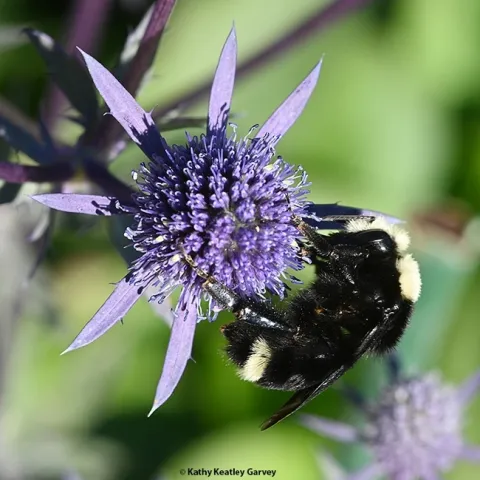
A yellow-faced bumble bee, Bombus vosnesenskii, forages on Eryngium amethystinum, a genus that belongs to the carrot family, Apiaceae. (Photo by Kathy Keatley Garvey)
Bug Squad: Article

UC Davis Arboretum Is the Magical Place to Find the First-of-the-Year Bumble Bee

December 26, 2023
By Kathy Keatley Garvey
If history repeats itself, the person who finds and photographs the first bumble bee of the year in the two-county area of Yolo and Solano will do so in the 100-acre UC Davis Arboretum and Public Garden--or will find it foraging on a plant purchased from one of the Arboretum's popular plant sales.
View Article
Primary Image
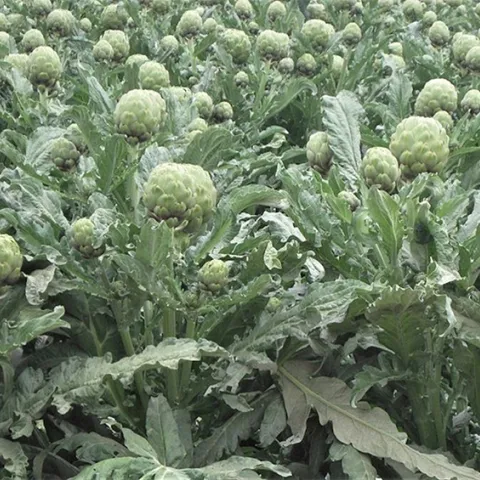
Almost all artichokes sold commercially in the US are grown in California Credit: rawpixel
UC Marin Master Gardeners: Article

January 2024: Planting Time for Artichokes

December 26, 2023
While artichokes may not be on every gardeners cool season vegetable list, they are fun to grow, and December is the right time to plant them for an early spring crop.
View Article