A Natural Solution for California's Herds: African Catfish Peptides

California's cattle producers and agricultural communities are all too familiar with the rising challenge of antibiotic resistance, making common bacterial infections harder to treat in livestock. But imagine a future where we could tackle these infections with a natural, powerful alternative. Our research points to just that: antimicrobial peptides (AMPs) found in African catfish.

We're really excited about these peptides because African catfish thrive in pathogen-rich freshwater, naturally producing these robust immune compounds in their skin mucus as a defense. This natural origin makes them highly appealing alternatives to synthetic drugs.

Predicted Safety and Potent Action

One of the most compelling aspects of these AMPs is their predicted safety for mammals. Our initial computer analyses suggest that various catfish AMPs are generally recognized as safe (GRAS). We predict they'll be absorbed in the human intestine without causing liver, brain, or heart toxicity. Furthermore, lab tests on a promising peptide, NACAP-II, confirmed it was non-hemolytic, meaning it didn't damage rabbit red blood cells—a strong indicator of its potential safety for mammalian cells.

Beyond safety, these peptides demonstrate effectiveness against problematic bacteria. One study revealed NACAP-II's strong activity against Extended-Spectrum Beta-Lactamase (ESBL)-producing Escherichia coli—a critical concern for both animal and human health due to its resistance to many common antibiotics. Another peptide, ACAP-IV, also showed antibacterial activity against E. coli and Staphylococcus aureus. We believe these AMPs work by directly disrupting bacterial cell membranes, a mechanism that makes it harder for bacteria to develop resistance compared to how they resist traditional antibiotics.

UC Master Gardeners of Merced County: Article

2024-1st Quarter INTERNAL Merced Master Gardeners Newsletter

December 21, 2023
Happy Holiday Wishes from Delores and the newsletter team! Attached is our "Internal- Just for Merced Master Gardener Volunteers" newsletter featuring photos and news of our Public Workshops (Fall and upcoming Spring), Field Trips, Garden Tips and more! Included in this newsletter are: Request for v...
View Article
Primary Image
Tools ready for sharpening, including pruners, hoes, rakes, and shovels.
The Stanislaus Sprout: Article

Garden Tool Maintenance

December 21, 2023
By Anne E Schellman
Garden tools looking sad? Your hula hoe doesn't dance anymore? Got rust on your shovel?
View Article
Primary Image
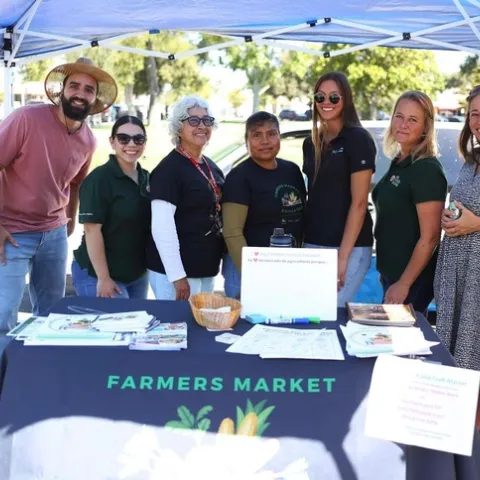
Seven people pose at a farmers market table
ANR Employee News: Article

Celebration Corner

December 20, 2023
By Pamela S Kan-Rice
CSAC honors CalFresh at Farmers Markets project in SLO CalFresh Healthy Living, UCCE San Luis Obispo County and the CalFresh at Farmers Markets cross-sector working group received the 2023 CSAC Challenge Award for creating more equitable access to healthy foods and supporting local farmers in San Lu...
View Article
Primary Image
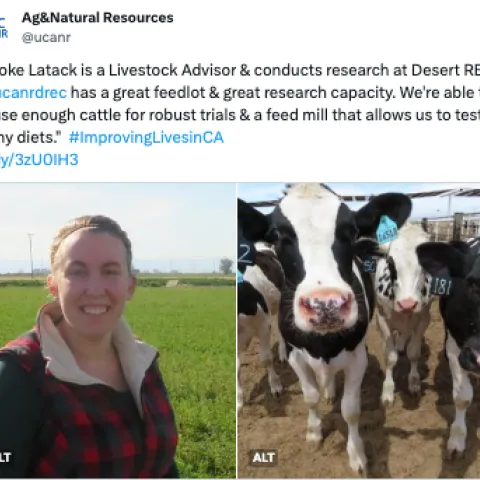
Brooke on left, cow faces on right
ANR Employee News: Article

Social media campaign shows how ANR is improving lives

December 20, 2023
By Pamela S Kan-Rice
To increase awareness of how UC ANR research and extension is improving life for Californians, Strategic Communications has been posting about UC Cooperative Extension activities across social media.
View Article
Primary Image
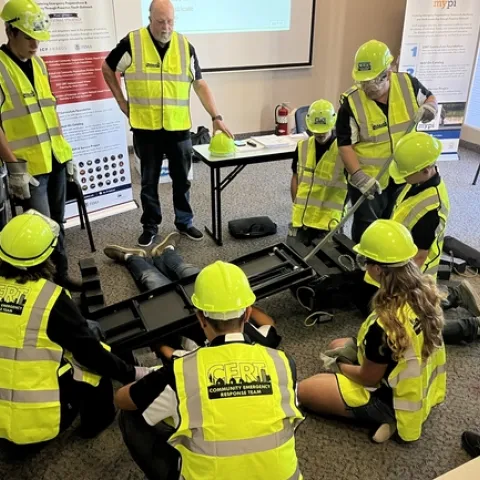
Participants in emergency preparedness training practice using a pry bar to move an object off of a person
Healthy Communities Blog: Article

Emergency preparedness program for youth takes root in California

December 20, 2023
By Michael Hsu
Disasters do not discriminate. They can impact people regardless of their race, color, creed, socioeconomic status or age. That's why a nationwide effort to train young people in emergency preparedness continues to grow and is establishing itself in California.
View Article