A Natural Solution for California's Herds: African Catfish Peptides

California's cattle producers and agricultural communities are all too familiar with the rising challenge of antibiotic resistance, making common bacterial infections harder to treat in livestock. But imagine a future where we could tackle these infections with a natural, powerful alternative. Our research points to just that: antimicrobial peptides (AMPs) found in African catfish.

We're really excited about these peptides because African catfish thrive in pathogen-rich freshwater, naturally producing these robust immune compounds in their skin mucus as a defense. This natural origin makes them highly appealing alternatives to synthetic drugs.

Predicted Safety and Potent Action

One of the most compelling aspects of these AMPs is their predicted safety for mammals. Our initial computer analyses suggest that various catfish AMPs are generally recognized as safe (GRAS). We predict they'll be absorbed in the human intestine without causing liver, brain, or heart toxicity. Furthermore, lab tests on a promising peptide, NACAP-II, confirmed it was non-hemolytic, meaning it didn't damage rabbit red blood cells—a strong indicator of its potential safety for mammalian cells.

Beyond safety, these peptides demonstrate effectiveness against problematic bacteria. One study revealed NACAP-II's strong activity against Extended-Spectrum Beta-Lactamase (ESBL)-producing Escherichia coli—a critical concern for both animal and human health due to its resistance to many common antibiotics. Another peptide, ACAP-IV, also showed antibacterial activity against E. coli and Staphylococcus aureus. We believe these AMPs work by directly disrupting bacterial cell membranes, a mechanism that makes it harder for bacteria to develop resistance compared to how they resist traditional antibiotics.
Primary Image
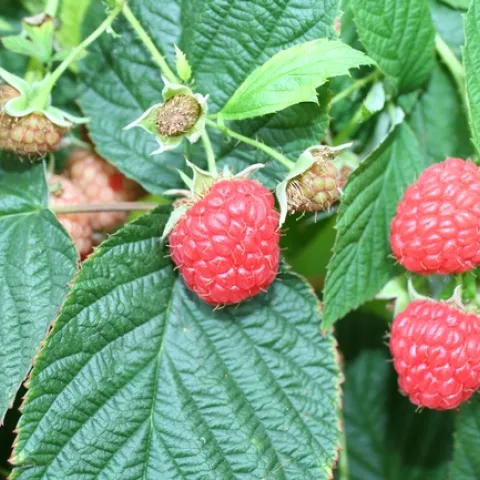
Red raspberries growing on a bush.
Food Blog: Article

New UC study estimates raspberry production costs on Central Coast

January 4, 2024
By Pamela S Kan-Rice
A new study that estimates costs and potential returns for growing raspberries on the Central Coast is available for free from UC Agriculture and Natural Resources, UC Cooperative Extension and the UC Davis Department of Agricultural and Resource Economics.
View Article
Primary Image
January IPM Tips.
Pests in the Urban Landscape: Article

Pest Prevention Tips for Every Month

January 4, 2024
By Lauren Fordyce
Did you know that UC IPM has an online tool that provides month-by-month pest prevention and management tips? It's called the Seasonal Landscape IPM Checklist! You can select your region of California to view activities to do in the landscape each month.
View Article
Primary Image
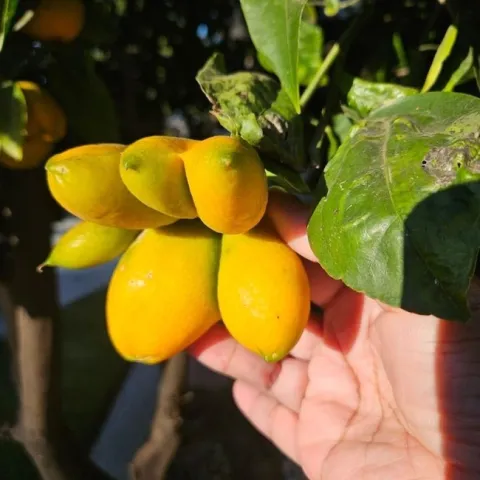
tangelo citrus bud mite

Citrus Bud Mite

January 4, 2024
By Ben A Faber
Most commonly we associate the malformed fruit we see in lemons to citrus bud mite. But it can also occur on other varieties of citrus in Southern California, including in this case to tangelos. If there's enough fruit to bite into, it's still edible.
View Article
Primary Image
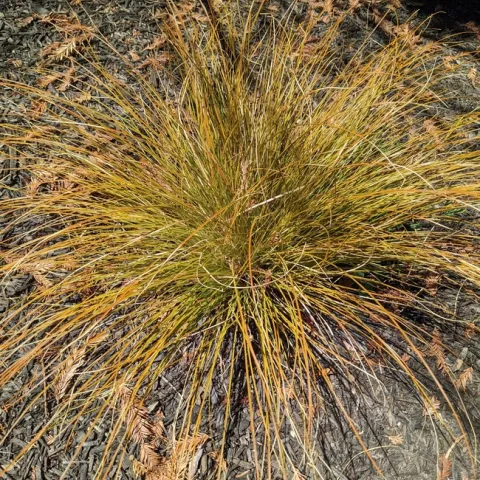
carex
Under the Solano Sun: Article

Sedges Have Edges

January 4, 2024
Sedges have edges Rushes are round, Grasses have nodes all the way to the ground.-author unknown. A little over a year ago we had our front yard re-landscaped and were given the plan.
View Article
Primary Image
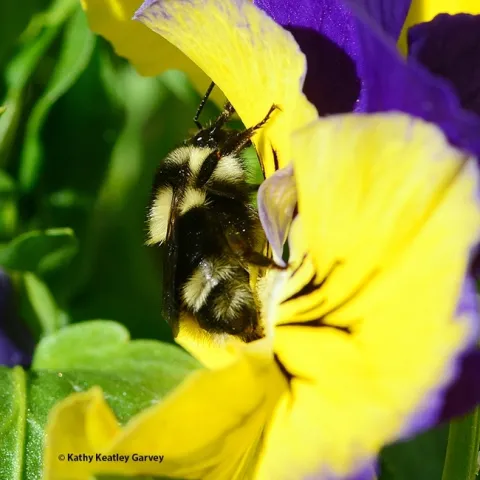
Here's a close-up of what this bumble bee species, Bombus melanopygus, looks like. (Photo taken in Vacaville by Kathy Keatley Garvey)
Bug Squad: Article

Here's Who Won the Bohart Bumble Bee Contest!

January 3, 2024
By Kathy Keatley Garvey
So, you're sitting in your backyard, enjoying some sunshine (sun break!) on the first day of the year, and you hear a bumble bee buzzing in your Madrone tree.
View Article