A Natural Solution for California's Herds: African Catfish Peptides

California's cattle producers and agricultural communities are all too familiar with the rising challenge of antibiotic resistance, making common bacterial infections harder to treat in livestock. But imagine a future where we could tackle these infections with a natural, powerful alternative. Our research points to just that: antimicrobial peptides (AMPs) found in African catfish.

We're really excited about these peptides because African catfish thrive in pathogen-rich freshwater, naturally producing these robust immune compounds in their skin mucus as a defense. This natural origin makes them highly appealing alternatives to synthetic drugs.

Predicted Safety and Potent Action

One of the most compelling aspects of these AMPs is their predicted safety for mammals. Our initial computer analyses suggest that various catfish AMPs are generally recognized as safe (GRAS). We predict they'll be absorbed in the human intestine without causing liver, brain, or heart toxicity. Furthermore, lab tests on a promising peptide, NACAP-II, confirmed it was non-hemolytic, meaning it didn't damage rabbit red blood cells—a strong indicator of its potential safety for mammalian cells.

Beyond safety, these peptides demonstrate effectiveness against problematic bacteria. One study revealed NACAP-II's strong activity against Extended-Spectrum Beta-Lactamase (ESBL)-producing Escherichia coli—a critical concern for both animal and human health due to its resistance to many common antibiotics. Another peptide, ACAP-IV, also showed antibacterial activity against E. coli and Staphylococcus aureus. We believe these AMPs work by directly disrupting bacterial cell membranes, a mechanism that makes it harder for bacteria to develop resistance compared to how they resist traditional antibiotics.
Primary Image
Picture1
UC Rice Blog: Article

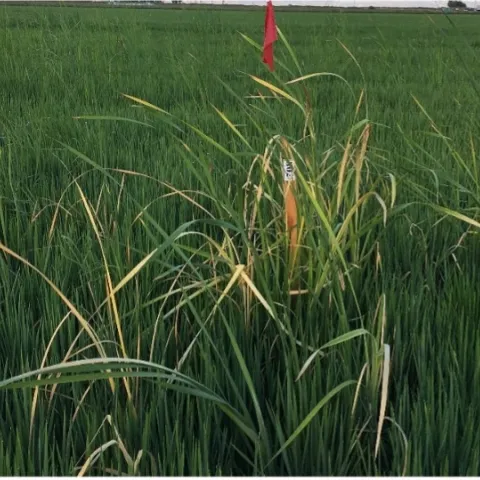
2023 Delta Rice Recap

November 22, 2023
By Taiyu Guan, Consuelo B Baez Vega
Rice production in the Sacramento-San Joaquin Delta region has been steadily increasing in recent years (Table 1). While Delta acreage is only a fraction of that in the Sacramento Valley, Delta yields are consistent with statewide averages.
View Article
Primary Image
gopher mounds 2

Gopher Management

November 22, 2023
By Ben A Faber
Pocket gophers (Thomomys bottae) may be responsible for more damage to orchards than any other mammal species. It can be important to minimize their presence in orchards and this is particularly relevant for young trees that are highly susceptible to gopher damage.
View Article
Primary Image
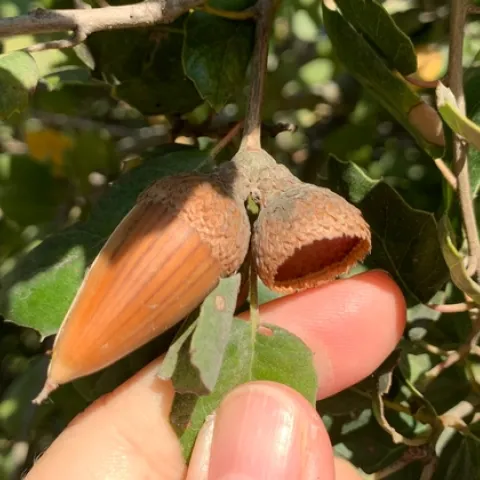
acorns on tree
Over the Fence (Alameda County): Article

Acorn Collecting and Planting

November 21, 2023
By Michelle Chin
Learn how to collect and plant acorns in Alameda County to grow native oaks and support local ecosystems with tips from UC Master Gardeners.
View Article
Primary Image
acorns on tree
Over the Fence (Alameda County): Article

Acorn Collecting and Planting

November 21, 2023
By Michelle Chin
Learn how to collect and plant acorns in Alameda County to grow native oaks and support local ecosystems with tips from UC Master Gardeners.
View Article
Primary Image
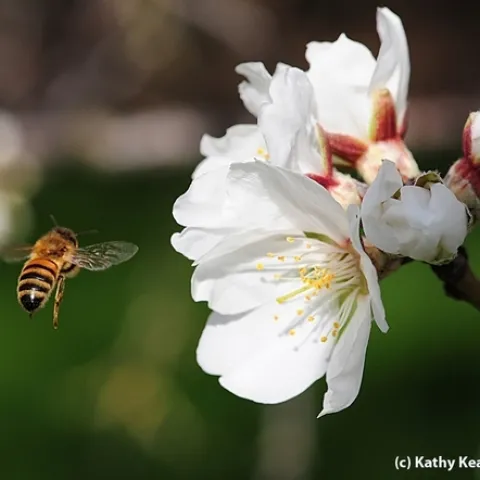
A honey bee heads toward an almond blossom on Bee Biology Road, UC Davis. (Photo by Kathy Keatley Garvey)
Entomology & Nematology News: Article

Research Seminar: 'Improving Cross-Pollination in Deciduous Fruit Trees'

November 21, 2023
By Kathy Keatley Garvey
Senior scientist Arnon Dag of the Agricultural Research Organization, Volcani Institute, Israel, will speak on "Improving Cross-Pollination in Deciduous Fruit Trees" at the UC Davis Department of Entomology and Nematology seminar on Monday, Nov. 27. Dag will present his seminar at 4:10 p.m.
View Article
Livestock & Range: Article

Rancher Seminar - December 6, 2023

November 21, 2023
By Devii R Rao
Join the San Benito County Weed Management Area for the 22nd Annual Continuing Education Seminar for Ranchers. It will be at the Oaks Room at Bolado Park this year. 2.
View Article