A Natural Solution for California's Herds: African Catfish Peptides

California's cattle producers and agricultural communities are all too familiar with the rising challenge of antibiotic resistance, making common bacterial infections harder to treat in livestock. But imagine a future where we could tackle these infections with a natural, powerful alternative. Our research points to just that: antimicrobial peptides (AMPs) found in African catfish.

We're really excited about these peptides because African catfish thrive in pathogen-rich freshwater, naturally producing these robust immune compounds in their skin mucus as a defense. This natural origin makes them highly appealing alternatives to synthetic drugs.

Predicted Safety and Potent Action

One of the most compelling aspects of these AMPs is their predicted safety for mammals. Our initial computer analyses suggest that various catfish AMPs are generally recognized as safe (GRAS). We predict they'll be absorbed in the human intestine without causing liver, brain, or heart toxicity. Furthermore, lab tests on a promising peptide, NACAP-II, confirmed it was non-hemolytic, meaning it didn't damage rabbit red blood cells—a strong indicator of its potential safety for mammalian cells.

Beyond safety, these peptides demonstrate effectiveness against problematic bacteria. One study revealed NACAP-II's strong activity against Extended-Spectrum Beta-Lactamase (ESBL)-producing Escherichia coli—a critical concern for both animal and human health due to its resistance to many common antibiotics. Another peptide, ACAP-IV, also showed antibacterial activity against E. coli and Staphylococcus aureus. We believe these AMPs work by directly disrupting bacterial cell membranes, a mechanism that makes it harder for bacteria to develop resistance compared to how they resist traditional antibiotics.
Primary Image
Canola
UC Weed Science (weed control, management, ecology, and minutia): Article

Some Concerns with Roundup Ready Spring Canola for Italian Ryegrass Control

November 27, 2023
By Gale Perez
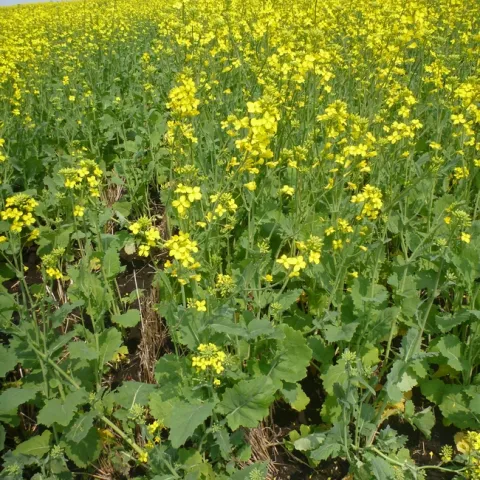
Spring canola acreage in Eastern Washington has increased dramatically over the past five years. Much of this increase has been driven by the inability of growers to control multiple herbicide-resistant Italian ryegrass in other crops, such as wheat and pulse crops.
View Article
Primary Image
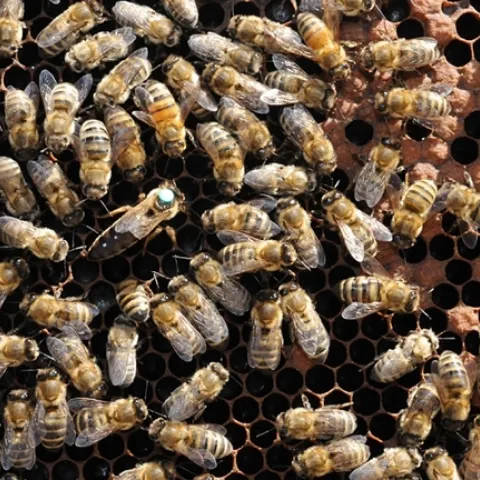
Honey bees at work in the hive. (Photo by Kathy Keatley Garvey)

Professor James Nieh: Deciphering Honey Bee Communication

November 27, 2023
By Kathy Keatley Garvey
The fascinating world of honey bee communication! The next UC Davis Department of Entomology and Nematology seminar will feature professor James Nieh, a bee biologist in the Section of Ecology, Behavior, and Evolution, Division of Biological Sciences, UC San Diego and associate dean in the Division...
View Article
Primary Image
Extension Methods & Delivery banner
ANR Employee News: Article

L&D: Prioritizing your time, UCD Library, ArcGIS Story Maps, Using data to tell extension stories, intercultural communication

November 27, 2023
By Jodi L Azulai
UC ANR Learning & Development Landing page | Archived webinars | Learning platforms Extension Methods & Delivery Building Support Equity, Diversity, Inclusion Office, Team, & Personal Management Virtual Primer for UC Davis Library Resources and Services December 12, 2023 2:30-3:30 p.m.
View Article
Primary Image
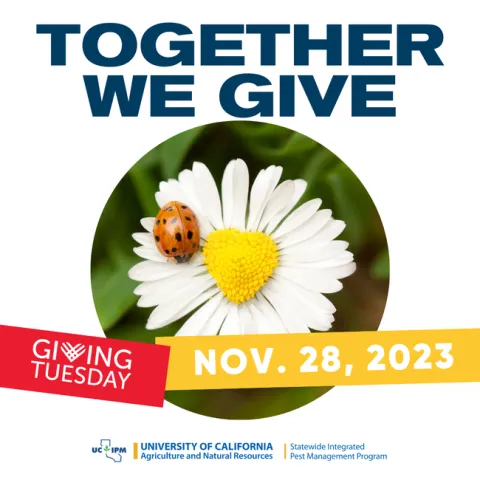
"Together we give; Giving Tuesday; November 28,2023" and a lady beetle on a white daisy flower.
Pests in the Urban Landscape: Article

Support IPM Education Across California!

November 27, 2023
By Lauren Fordyce
It's #GivingTuesday! a global day of giving that harnesses the collective power of individuals to celebrate generosity.
View Article
Article

Giving Tuesday is tomorrow, will you join us?

November 27, 2023
Tomorrow, as people around the world support important causes, donate to the UC Master Gardener Program and UC ANR to extend research-based knowledge and information on home horticulture, pest management, and sustainable landscape practices to the residents of California.
View Article
Primary Image
Bee biologist James Nieh of UC San Diego researches honey bee communication.
Entomology & Nematology News: Article

Professor James Nieh: Honey Bee Communication

November 27, 2023
By Kathy Keatley Garvey
Professor James Nieh, a bee biologist in the Section of Ecology, Behavior, and Evolution, Division of Biological Sciences, UC San Diego and associate dean in the Division of Biological Sciences, will speak on "Danger, Dopamine, and Dance: New Insights from the Magic Well of Honey Bee Communication"...
View Article
Livestock, Range and Natural Resources: Article

Verano 2021

November 27, 2023
En este nmero: Noticias breves y recursos virtuales Oportunidades para participar en investigaciones Manejo durante sequa y ms!...
View Article
Primary Image
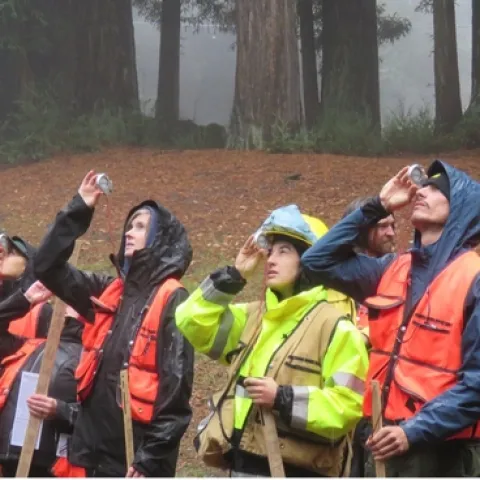
Forest Stewardship Workshop participants practice measuring tree heigh with a clinometer. Credit: G.Dean
Blog - Forest Research and Outreach : Article

Fresh cut, new content: UC ANR Forest Stewardship team updates their Story Map

November 27, 2023
By Grace N Dean
The Forest Stewardship team has revamped their Forest Stewardship Story Map, first published in summer 2023. The new application hosts a slew of new features which provide a more user-friendly experience and allow users to learn about the forestry education programs offered by UC ANR.
View Article