A Natural Solution for California's Herds: African Catfish Peptides

California's cattle producers and agricultural communities are all too familiar with the rising challenge of antibiotic resistance, making common bacterial infections harder to treat in livestock. But imagine a future where we could tackle these infections with a natural, powerful alternative. Our research points to just that: antimicrobial peptides (AMPs) found in African catfish.

We're really excited about these peptides because African catfish thrive in pathogen-rich freshwater, naturally producing these robust immune compounds in their skin mucus as a defense. This natural origin makes them highly appealing alternatives to synthetic drugs.

Predicted Safety and Potent Action

One of the most compelling aspects of these AMPs is their predicted safety for mammals. Our initial computer analyses suggest that various catfish AMPs are generally recognized as safe (GRAS). We predict they'll be absorbed in the human intestine without causing liver, brain, or heart toxicity. Furthermore, lab tests on a promising peptide, NACAP-II, confirmed it was non-hemolytic, meaning it didn't damage rabbit red blood cells—a strong indicator of its potential safety for mammalian cells.

Beyond safety, these peptides demonstrate effectiveness against problematic bacteria. One study revealed NACAP-II's strong activity against Extended-Spectrum Beta-Lactamase (ESBL)-producing Escherichia coli—a critical concern for both animal and human health due to its resistance to many common antibiotics. Another peptide, ACAP-IV, also showed antibacterial activity against E. coli and Staphylococcus aureus. We believe these AMPs work by directly disrupting bacterial cell membranes, a mechanism that makes it harder for bacteria to develop resistance compared to how they resist traditional antibiotics.
Kern County: Article

Green Scene October 2023

October 23, 2023
Master Gardener Program Annual Winter Pruning Demonstration Fall Color Development in Trees and Shrubs Galls on Oak Leaves...
View Article
Primary Image
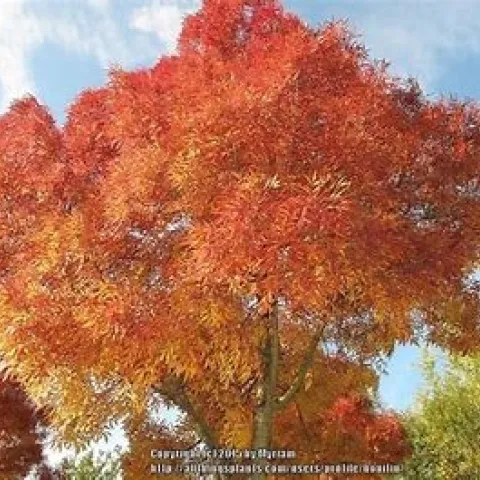
photo of a raywood ash tree in the fall
Landscape Horticulture Updates for Southern California: Article

Fall Colors Explained

October 23, 2023
By Janet S Hartin
Welcome to Fall! It's my favorite season and likely for many of you, as well. Beyond the holidays and extra time with family and friends, nature radiates its beautiful hues. In addition to lovely foliage, deciduous trees often expose exquisitely shaped and sturdy trunks.
View Article
Primary Image
Bella Heryford
Thriving Forward: Article

Meet 4-H Club President Bella

October 23, 2023
By Matthew R Rodriguez
Recently I [Matt] had a chance to interview 4-H youth member Bella who is also this year's 4-H club president for Hallwood in Yuba County. The following are Bella's responses to my questions.
View Article
Primary Image
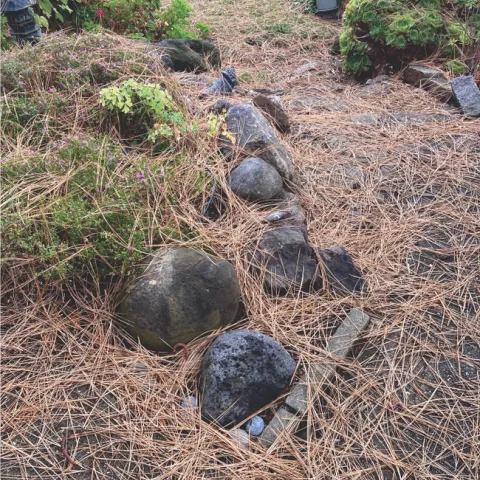
A couple of days worth of needle fall from a ponderosa pine
Spill the Beans: Article

Living with a Ponderosa Pine

October 22, 2023
Many of us have probably wondered about the landscaping decisions of previous owners when moving into a home. This was true for us in several instances.
View Article
Primary Image
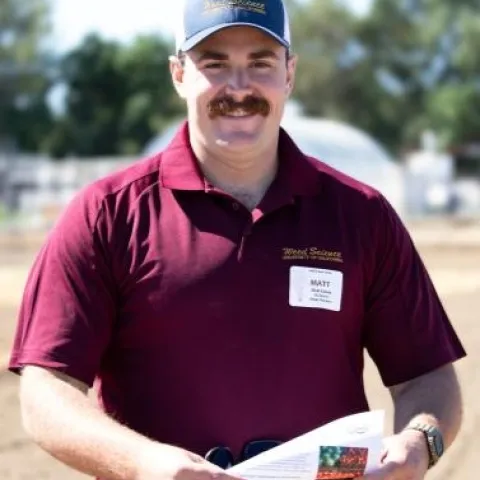
Matt Fatino, Ph.D. Candidate, Hanson Lab, UC Davis
UC Weed Science (weed control, management, ecology, and minutia): Article

Matt Fatino, WSSA graduate student of the month

October 22, 2023
By Gale Perez
From the Weed Science Society of America (WSSA) Graduate Student Organization newsletter (Oct. 2023) * * * * * * Graduate Student of the Month Matthew (Matt) Fatino, Ph.D. Candidate with the Hanson Lab at UC Davis, is the Weed Science Society of America (WSSA) graduate student of the month.
View Article
Primary Image
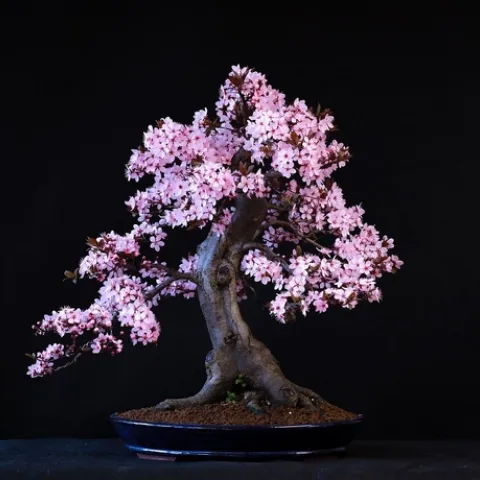
blood-plum-7101127 1280 Pixbay
Napa Master Gardener Column: Article

Bonsai: Living Works of Art

October 21, 2023
The Napa County Master Gardeners hosted a Fall Faire last month. The event turned out to be very successful even though Mother Nature paid a visit and gave us a downpour.
View Article