A Natural Solution for California's Herds: African Catfish Peptides

California's cattle producers and agricultural communities are all too familiar with the rising challenge of antibiotic resistance, making common bacterial infections harder to treat in livestock. But imagine a future where we could tackle these infections with a natural, powerful alternative. Our research points to just that: antimicrobial peptides (AMPs) found in African catfish.

We're really excited about these peptides because African catfish thrive in pathogen-rich freshwater, naturally producing these robust immune compounds in their skin mucus as a defense. This natural origin makes them highly appealing alternatives to synthetic drugs.

Predicted Safety and Potent Action

One of the most compelling aspects of these AMPs is their predicted safety for mammals. Our initial computer analyses suggest that various catfish AMPs are generally recognized as safe (GRAS). We predict they'll be absorbed in the human intestine without causing liver, brain, or heart toxicity. Furthermore, lab tests on a promising peptide, NACAP-II, confirmed it was non-hemolytic, meaning it didn't damage rabbit red blood cells—a strong indicator of its potential safety for mammalian cells.

Beyond safety, these peptides demonstrate effectiveness against problematic bacteria. One study revealed NACAP-II's strong activity against Extended-Spectrum Beta-Lactamase (ESBL)-producing Escherichia coli—a critical concern for both animal and human health due to its resistance to many common antibiotics. Another peptide, ACAP-IV, also showed antibacterial activity against E. coli and Staphylococcus aureus. We believe these AMPs work by directly disrupting bacterial cell membranes, a mechanism that makes it harder for bacteria to develop resistance compared to how they resist traditional antibiotics.

Primary Image
25 Platanus Racemosa, AKA California Sycamore (4) by The Fun Chronicles is marked with CC0 1.0.
Under the Solano Sun: Article

Sycamores: Sweet Street Trees

October 27, 2023
While walking with my dog, Bowie, this summer, during a particularly hot spell, we noticed that the street trees had thrown off an enormous quantity of bark. The bark was scattered all over the sidewalk, the street, the planting median, and front lawns.
View Article
Primary Image
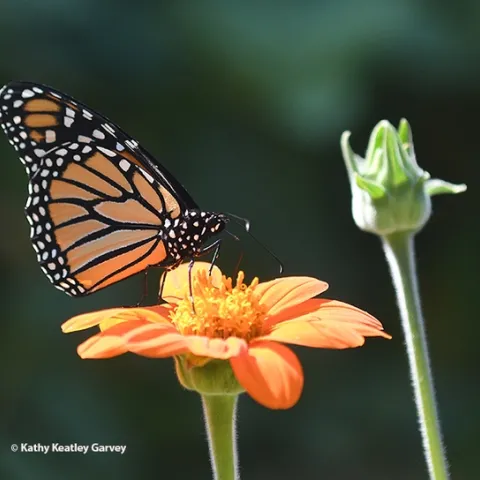
A monarch butterfly nectaring on a Mexican sunflower, Tithonia rotundifola, in a Vacaville garden. (Photo by Kathy Keatley Garvey)
Bug Squad: Article

Got a Question About Monarch Butterflies? Bohart Open House on Nov. 4

October 26, 2023
By Kathy Keatley Garvey
Want to talk to a scientist about monarch butterflies? Then you'll want to attend the Bohart Museum of Entomology open house on Saturday, Nov. 4 from 1 to 4 p.m. in Room 1124 of the Academic Surge Building, 455 Crocker Lane. Scientists will be there to answer your questions.
View Article
Primary Image
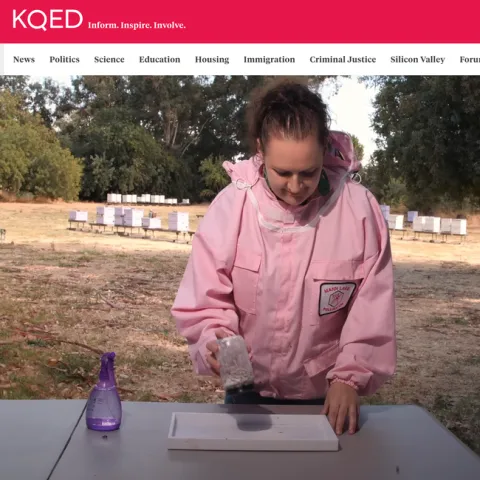
A screen shot of UC Davis bee scientist Elina Lastro Niño from KQED's Deep Look video, "Varroa Mites Are a Honeybee's 8-Legged Nightmare."
Entomology & Nematology News: Article

UC Davis Bee Lab: Setting for KQED's 'Deep Look' Video on Varroa Mites

October 26, 2023
By Kathy Keatley Garvey
The filming of varroa mites in KQED's newly released Deep Look video, Varroa Mites Are a Honeybee's 8-Legged Nightmare, occurred in the UC Davis bee laboratory of scientist Elina Lastro Nio, associate professor of Cooperative Extension-Apiculture, and a member of UC Davis Department of Entomology an...
View Article
Primary Image
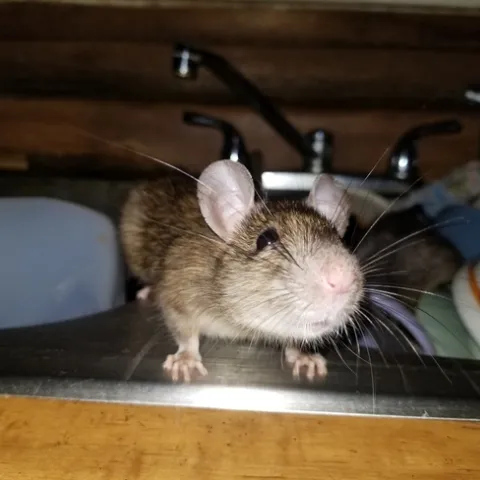
A close up of a brown mouse in a kitchen sink, with dishes in the background.
Pests in the Urban Landscape: Article

Prevent rodents from overwintering in your home!

October 26, 2023
By Lauren Fordyce
Most people don't think about rats or mice until they become pests in or around the home. But with experts predicting that these pests will be particularly bad this upcoming winter, you might want to spend some more time rodent-proofing your home and other buildings.
View Article