A Natural Solution for California's Herds: African Catfish Peptides

California's cattle producers and agricultural communities are all too familiar with the rising challenge of antibiotic resistance, making common bacterial infections harder to treat in livestock. But imagine a future where we could tackle these infections with a natural, powerful alternative. Our research points to just that: antimicrobial peptides (AMPs) found in African catfish.

We're really excited about these peptides because African catfish thrive in pathogen-rich freshwater, naturally producing these robust immune compounds in their skin mucus as a defense. This natural origin makes them highly appealing alternatives to synthetic drugs.

Predicted Safety and Potent Action

One of the most compelling aspects of these AMPs is their predicted safety for mammals. Our initial computer analyses suggest that various catfish AMPs are generally recognized as safe (GRAS). We predict they'll be absorbed in the human intestine without causing liver, brain, or heart toxicity. Furthermore, lab tests on a promising peptide, NACAP-II, confirmed it was non-hemolytic, meaning it didn't damage rabbit red blood cells—a strong indicator of its potential safety for mammalian cells.

Beyond safety, these peptides demonstrate effectiveness against problematic bacteria. One study revealed NACAP-II's strong activity against Extended-Spectrum Beta-Lactamase (ESBL)-producing Escherichia coli—a critical concern for both animal and human health due to its resistance to many common antibiotics. Another peptide, ACAP-IV, also showed antibacterial activity against E. coli and Staphylococcus aureus. We believe these AMPs work by directly disrupting bacterial cell membranes, a mechanism that makes it harder for bacteria to develop resistance compared to how they resist traditional antibiotics.
Primary Image
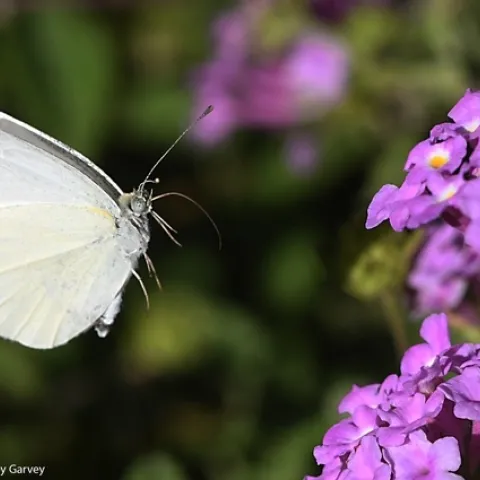
A male monarch arrives Oct. 3 to nectar Mexican sunflower, Tithonia rotundifola, in a Vacaville pollinator garden. (Photo by Kathy Keatley Garvey)
Bug Squad: Article

The Monarch Who Arrived Late for Dinner

October 5, 2022
By Kathy Keatley Garvey
Never be late for dinner or it might be all gone. Take the case of the Mexican sunflowers, Tithonia rotundifola, that we planted last April for the monarchs. Monarchs seem to favor Tithonia more than any other nectar source in our pollinator garden.
View Article
Primary Image
East Bay Regional Park District logo
UC Weed Science (weed control, management, ecology, and minutia): Article

JOB Announcement :: Ecological Services Coordinator

October 4, 2022
By Gale Perez
JOB ANNOUNCEMENT Ecological Services Coordinator LOCATION: Oakland, CA JOB TYPE: Full-time (37.5 hrs) DEPARTMENT: Ecological Services Unit JOB NUMBER: 22-GB-16 CLOSING DATE: 5:00 PM (Pacific), October 19, 2022 For more information or to apply, click HERE.
View Article
Primary Image
photos by Launa Herrmann
Under the Solano Sun: Article

Ginger Plant Intrigue

October 4, 2022
Several years ago, while visiting a dear friend and former work colleague in the Bay Area, I toured her plant-packed backyard admiring her husband's koi pond and her collection of tropical plants.
View Article
Primary Image
Fifi the pink poodle Oct 4 22
ANR Adventures: Article

Strength in numbers!

October 4, 2022
By Deanne Meyer
It's been a very long week for anyone with friends or family in Florida, the southeastern US or west coast of Mexico. The ecosystem and human devastation from Hurricanes Ian and Orlene will be huge. It was just a few weeks ago that Hurricane Fiona struck Puerto Rico.
View Article
Primary Image
Ficus tree.
Pests in the Urban Landscape: Article

Webinars!

October 4, 2022
By Lauren Fordyce
The UC IPM Urban & Community Program hosts monthly webinars that are free and open to the public. Join us every third Thursday from 12pm-1pm for helpful pest related information. All webinars are recorded and posted on the UC IPM YouTube channel soon after.
View Article
Primary Image
Mature dallisgrass plant, Paspalum dilatatum. [Credit: K Windbiel-Rojas]
Pests in the Urban Landscape: Article

Oh Dallisgrass

October 4, 2022
By Lauren Fordyce
Knowing what weedy grass you have in your lawn or landscape is very important in being able to properly control it. Dallisgrass is a common perennial weed that is easily identified and grows in uneven clumps in lawns and turf.
View Article
Primary Image
A black-tailed jackrabbit, also known as a hare. [Credit: US Fish and Wildlife Service]
Pests in the Urban Landscape: Article

Bad Bunnies

October 4, 2022
By Belinda Messenger-Sikes, Lauren Fordyce
Many people think wild rabbits hopping around are adorablethere's even an international rabbit day celebrating wild and domestic rabbitsbut they're less welcome when they're eating your carefully tended garden. Wild rabbits in California can devour your garden vegetables, just like Peter Cottontail.
View Article
Primary Image
Hana Zíková’s crevice garden in the Czech Republic. Paul Spriggs, New York Times, 8/3/22
Garden Notes: Article

The Beauty of Crevice Gardens

October 3, 2022
Who hasn't marveled at a dandelion that thrives as it grows from a tiny crack in the pavement? Or more improbably, a tree growing from a rocky outcrop? It makes us stop and reconsider what we know about growth requirements for plants.
View Article