A Natural Solution for California's Herds: African Catfish Peptides

California's cattle producers and agricultural communities are all too familiar with the rising challenge of antibiotic resistance, making common bacterial infections harder to treat in livestock. But imagine a future where we could tackle these infections with a natural, powerful alternative. Our research points to just that: antimicrobial peptides (AMPs) found in African catfish.

We're really excited about these peptides because African catfish thrive in pathogen-rich freshwater, naturally producing these robust immune compounds in their skin mucus as a defense. This natural origin makes them highly appealing alternatives to synthetic drugs.

Predicted Safety and Potent Action

One of the most compelling aspects of these AMPs is their predicted safety for mammals. Our initial computer analyses suggest that various catfish AMPs are generally recognized as safe (GRAS). We predict they'll be absorbed in the human intestine without causing liver, brain, or heart toxicity. Furthermore, lab tests on a promising peptide, NACAP-II, confirmed it was non-hemolytic, meaning it didn't damage rabbit red blood cells—a strong indicator of its potential safety for mammalian cells.

Beyond safety, these peptides demonstrate effectiveness against problematic bacteria. One study revealed NACAP-II's strong activity against Extended-Spectrum Beta-Lactamase (ESBL)-producing Escherichia coli—a critical concern for both animal and human health due to its resistance to many common antibiotics. Another peptide, ACAP-IV, also showed antibacterial activity against E. coli and Staphylococcus aureus. We believe these AMPs work by directly disrupting bacterial cell membranes, a mechanism that makes it harder for bacteria to develop resistance compared to how they resist traditional antibiotics.
Primary Image
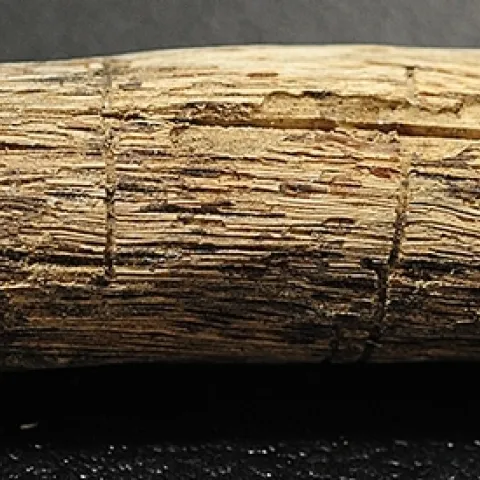
Termites newly emerged from the soil

Fall Rains Trigger Mating Flights of Termites

October 3, 2022
By Help Desk Team
For most of the Bay Area we had an unexpected but wonderful seasonal surprise RAIN. This blessing provided a drink of water to plants that we have had to ignore due to water rationing. We were not the only ones waiting for that first seasonal rain.
View Article
Primary Image
aRGENTINE ANT
Topics in Subtropics: Article

ACP and Natural Enemies

October 3, 2022
By Ben A Faber
Natural enemies have significantly suppressed Asian citrus psyllid populations in southern California Ivan Milosavljevi, Department of Entomology, University of California, Riverside, CA Christina D. Hoddle, Department of Entomology, University of California, Riverside, CA David J.W.
View Article
Primary Image
Figure 1
Spill the Beans: Article

Gardening with Leverage, Part I

October 3, 2022
By Bob Niklewicz PT MG Archimedes once said, Give me a place to stand, and a lever long enough, and I will move the world.
View Article
UC Master Gardener Program of Contra Costa County: Article

News and Events

October 1, 2022
There is still time to come and listen to some very interesting in-person Garden Talks at our demonstration gardens or enjoy a few live webinars.
View Article
Primary Image
AAMG table with congressman J.R.Garamendi
UC Master Gardener Program of Contra Costa County: Article

Ask a Master Gardener Tables Are Back!

October 1, 2022
Although UC Ask a Master Gardener tables reopened in limited numbers in 2021, all Farmers Markets that we normally attend in Contra Costa reopened this past summer.
View Article
Primary Image
Red Valerian (Jupiters Beard) (ourlittlefoxfarm.net)
Napa Master Gardener Column: Article

Jupiter’s Beard, a Dedicated Pollinator

October 1, 2022
A few years ago I found a new plant growing in the back of my butterfly garden. It was about three feet tall and had red blooms. Butterflies, hummingbirds and pollinators seemed to love the plant so I left it alone. The next year it came up again and a visitor identified it as Jupiter's Beard.
View Article
Primary Image
Spring Flower Mix, courtesy L Ochoa
UC Master Gardener Program of Contra Costa County: Article

Fall is a Great Time to Plant

September 30, 2022
Fall is a Great Time to Plant Natives and Drought Tolerant Plants by Laurinda Ochoa...
View Article
Primary Image
Pruning, courtesy UCANR
UC Master Gardener Program of Contra Costa County: Article

Fall Pruning

September 30, 2022
Getting Ready for Fall and Winter Pruning by Anne Sutherland...
View Article