A Natural Solution for California's Herds: African Catfish Peptides

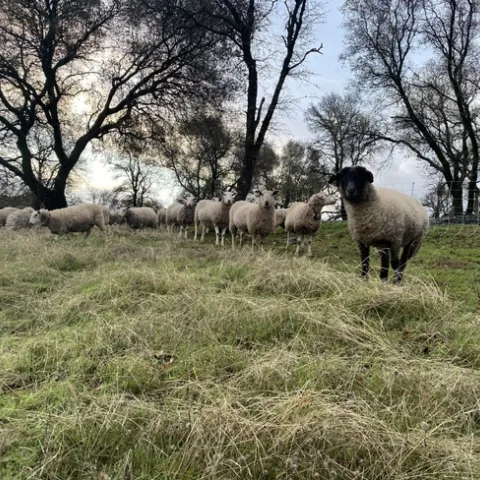
California's cattle producers and agricultural communities are all too familiar with the rising challenge of antibiotic resistance, making common bacterial infections harder to treat in livestock. But imagine a future where we could tackle these infections with a natural, powerful alternative. Our research points to just that: antimicrobial peptides (AMPs) found in African catfish.

We're really excited about these peptides because African catfish thrive in pathogen-rich freshwater, naturally producing these robust immune compounds in their skin mucus as a defense. This natural origin makes them highly appealing alternatives to synthetic drugs.

Predicted Safety and Potent Action

One of the most compelling aspects of these AMPs is their predicted safety for mammals. Our initial computer analyses suggest that various catfish AMPs are generally recognized as safe (GRAS). We predict they'll be absorbed in the human intestine without causing liver, brain, or heart toxicity. Furthermore, lab tests on a promising peptide, NACAP-II, confirmed it was non-hemolytic, meaning it didn't damage rabbit red blood cells—a strong indicator of its potential safety for mammalian cells.

Beyond safety, these peptides demonstrate effectiveness against problematic bacteria. One study revealed NACAP-II's strong activity against Extended-Spectrum Beta-Lactamase (ESBL)-producing Escherichia coli—a critical concern for both animal and human health due to its resistance to many common antibiotics. Another peptide, ACAP-IV, also showed antibacterial activity against E. coli and Staphylococcus aureus. We believe these AMPs work by directly disrupting bacterial cell membranes, a mechanism that makes it harder for bacteria to develop resistance compared to how they resist traditional antibiotics.

Primary Image
Postdoctoral researcher Severyn Korneyev, a Ukrainian entomologist who studies flies, discusses insects with guests. On the screen is a Jerusalem cricket, also known as a potato bug. (Photo by Kathy Keatley Garvey)
Bug Squad: Article

Learning About Wasps and Other Insects

September 30, 2022
By Kathy Keatley Garvey
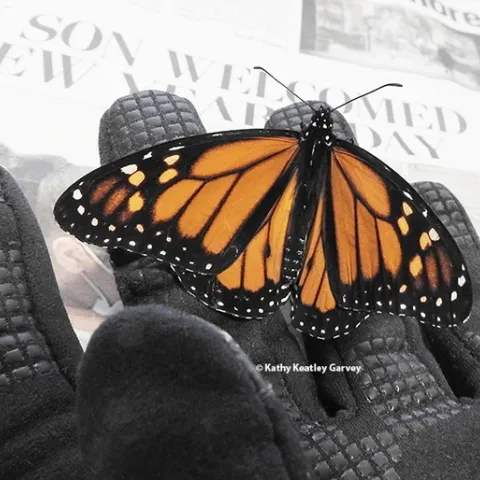
They came to learn about wasps--"The Weird and Wonderful Wasps"--at the recent open house hosted by the Bohart Museum of Entomology, UC Davis Department of Entomology and Nematology. They learned about such wasps as the Asian giant hornet (aka "murder hornets"), pteromalids, and fig wasps.
View Article
Primary Image
Cindy Chen
ANR Employee News: Article

Names in the News

September 30, 2022
By Pamela S Kan-Rice
Chen named woody biomass and wood products advisor Cindy Chen joined UC Cooperative Extension Sept. 6 as a woody biomass and wood products advisor for the Central Sierra and Alpine and Mariposa counties.
View Article
Primary Image
Yana Valachovic and Glenn McGourty, UCCE farm advisor emeritus and current Mendocino County supervisor, greet each other at the Rural County Representatives of California conference.
ANR Employee News: Article

UC ANR visits with rural county partners

September 30, 2022
By Pamela S Kan-Rice
The Rural County Representatives of California (RCRC), a service organization that champions policies on behalf of California's rural counties, held its annual meeting in Napa on Sept. 14-16. Vice President Glenda Humiston talked with Del Norte County Supervisor Chris Howard.
View Article
Primary Image
A pendulous, red inflorescence of an abutilon.
The Backyard Gardener: Article

Lucky Lanterns

September 30, 2022
By Dustin W Blakey
Every year I try to plant something I haven't grown before. I skipped raising vegetables this year, but I planted some red abutilons that I bought on a whim so that I would still feel a little bit like a gardener in spite of taking the year off.
View Article
Primary Image
Brown marmoratted stinkbug
Topics in Subtropics: Article

A Different Way of Evaluating Invasion

September 30, 2022
By Ben A Faber
A lot of work has been put into monitoring the Brown Marmorated Stink Bug (BMSB), Halyomorpha halys (Hemitpera: Pentatomidae). It has been a major problem in many areas of the country, as well as California.
View Article
Primary Image
California goldenrod, Fireworks, Jeanette Alosi
The Real Dirt: Article

Fall-Blooming Natives

September 30, 2022
By fall most summer-blooming plants have run their course, while summer-dormant plants are just beginning to start their new growth for the season. You may feel your garden needs more color.
View Article
Primary Image
photos by Cindy Yee
Under the Solano Sun: Article

Mango Experiment

September 30, 2022
My old college pal and I love mangoes. We go shopping at the local Asian grocery store and buy Manila mangoes by the box. Teresa is not a master gardener, but everything she grows survives and does well.
View Article
Primary Image
The Bohart Museum's family arts-and-crafts table, featuring how to make gall ghosts, was busy throughout the open house, themed "Weird and Wonderful Wasps." (Photo by Kathy Keatley Garvey)
Bug Squad: Article

At Bohart Museum of Entomology: It Took Gall to Make a Ghost

September 29, 2022
By Kathy Keatley Garvey
It took gall to make a ghost. Really. When the Bohart Museum of Entomology at UC Davis recently hosted an open house on "Weird and Wonderful Wasps," the family arts-and-craft activity was to create a gall ghost.
View Article