A Natural Solution for California's Herds: African Catfish Peptides

California's cattle producers and agricultural communities are all too familiar with the rising challenge of antibiotic resistance, making common bacterial infections harder to treat in livestock. But imagine a future where we could tackle these infections with a natural, powerful alternative. Our research points to just that: antimicrobial peptides (AMPs) found in African catfish.

We're really excited about these peptides because African catfish thrive in pathogen-rich freshwater, naturally producing these robust immune compounds in their skin mucus as a defense. This natural origin makes them highly appealing alternatives to synthetic drugs.

Predicted Safety and Potent Action

One of the most compelling aspects of these AMPs is their predicted safety for mammals. Our initial computer analyses suggest that various catfish AMPs are generally recognized as safe (GRAS). We predict they'll be absorbed in the human intestine without causing liver, brain, or heart toxicity. Furthermore, lab tests on a promising peptide, NACAP-II, confirmed it was non-hemolytic, meaning it didn't damage rabbit red blood cells—a strong indicator of its potential safety for mammalian cells.

Beyond safety, these peptides demonstrate effectiveness against problematic bacteria. One study revealed NACAP-II's strong activity against Extended-Spectrum Beta-Lactamase (ESBL)-producing Escherichia coli—a critical concern for both animal and human health due to its resistance to many common antibiotics. Another peptide, ACAP-IV, also showed antibacterial activity against E. coli and Staphylococcus aureus. We believe these AMPs work by directly disrupting bacterial cell membranes, a mechanism that makes it harder for bacteria to develop resistance compared to how they resist traditional antibiotics.
Primary Image
sliced zucchini and small paring knife appear on a wooden cutting board
UC Master Food Preservers of Central Sierra: Article

Central Sierra: Saving the Last of the Zucchini (Until you can appreciate it again)

October 3, 2025
By Robin E Martin
Preserve It! Oh Dear, the Zucchini! Pickling is one of the oldest methods of food preservation. Queen Cleopatra attributed her legendary beauty as well as her health to the pickles in her diet. Roman troops were given pickles in their diet believing it would make them strong.What if you don’t have many…
View Article
Primary Image
green lawn marred by piles of dirt dug up by a lawn pest
UC Master Gardeners of El Dorado County: Article

Central Sierra: What is Wrecking Your Lawn?

October 3, 2025
By Robin E Martin
How to identify the pests that are damaging your lawn What is wrecking your lawn? It could be skunks, raccoons, moles, voles, pocket gophers, or lawn insects. Each leave behind evidence and signs of their presence.Skunks are out at dusk, during the night, and at dawn in residential areas searching for…
View Article
Primary Image
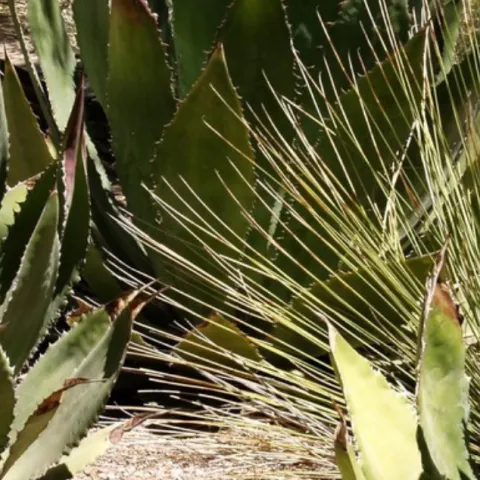
Agaves
Fresno Gardening Green: Article

Tiny enemies of aloe and agave plants

October 3, 2025
By Eric G Middleton
Succulents like aloes and agaves are common landscape plants throughout much of California and are prized both for their beauty and their drought-tolerant features. Unfortunately, there are several arthropod pests that can damage or even kill these hardy plants. Below are three pests you should be…
View Article
Primary Image
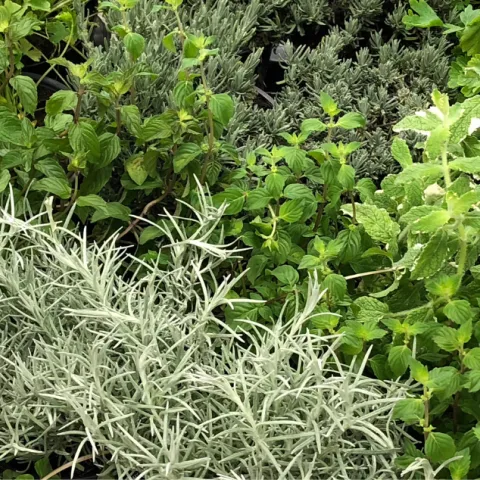
An assortment of culinary herbs
Fresno Gardening Green: Article

This week in the garden: Oct. 3 - 9

October 3, 2025
By Jeannette Warnert
Pick a bouquet of herbs in the early morning to retain flavor. Keep them in a vase and use them all week.TasksMonitor soil moisture after rain and water if needed, especially for trees and shrubs.Renovate cool-season lawns – remove thatch and aerate.Hand pick snails and slugs in the early morning or use bait…
View Article
Primary Image
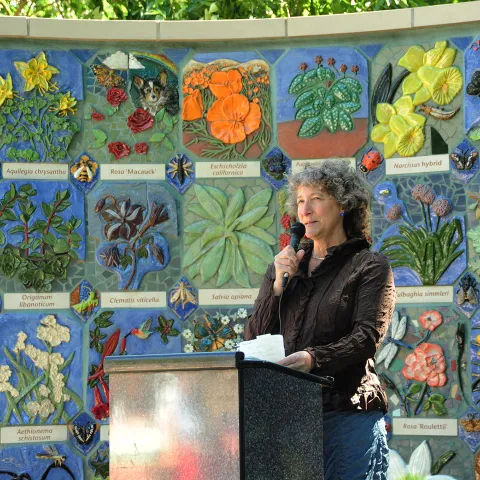
Diane Ullman speaking at dedication of Nature's Gallery. (Photo by Kathy Keatley Garvey)

Helping the UC Davis Art/Science Fusion Program: Let's Do This!

October 2, 2025
By Kathy Keatley Garvey
 Let's do this! The UC Davis Art/Science Fusion Program has launched a Crowdfund campaign to raise $10,000 during the month of October and needs our help.Any amount matters and every amount is appreciated.This is the program at which UC Davis undergraduate students connect science with art,…
View Article
UC Cooperative Extension Trinity County: Article

Cloverleaf September 2025

October 2, 2025
This issue contains: Enrollment for 2025-2026Trinity 4-H Club InfoTrinity 4-H EventsTrinity 4-H Town Hall Meetings 2025-2026Livestock Project ScholarshipArticle on 2025 Trinity County Fair Livestock Auction 
View Article
Primary Image
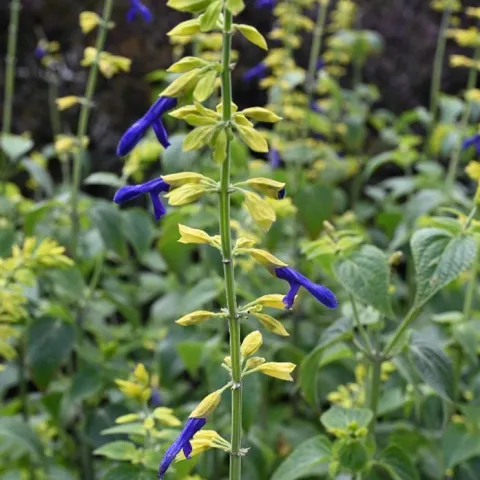
dark purple flowers surrounded by lime colored caylexes on salvia limelight
Under the Solano Sun: Article

Dazzling Limelight

October 2, 2025
By Jennifer M Baumbach
Blog by Patricia Matteson When I turned a corner in the Mendocino Coast Botanical Garden in late July and found myself facing this blooming plant, the sight stopped me in my tracks! The striking contrast between the chartreuse calyxes and the electric blue blossoms blew me away. I immediately…
View Article
UC Master Gardener Coordinators: Page

Rebranding Timeline

We’re entering an exciting new chapter! In October 2025, the UC Master Gardener Program will officially launch its refreshed look as part of the UC ANR brand family. This update is about more than a new logo, it’s about celebrating who we are today and creating a consistent, professional identity that…
View Page
Nutrition Policy Institute News: Article

Hannah Thompson speaks with ABC 10 about California bill that would require healthy restaurant kids’ meals

October 2, 2025
By Danielle Lee
Hannah Thompson, director of the University of California's Nutrition Policy Institute, spoke with ABC 10 reporter Jackson Ellison about a new California bill that would require a healthy meal on kids’ menus at chain restaurants. California Senate Bill 764 would mandate chain restaurants, with 20 or more…
View Article