A Natural Solution for California's Herds: African Catfish Peptides

California's cattle producers and agricultural communities are all too familiar with the rising challenge of antibiotic resistance, making common bacterial infections harder to treat in livestock. But imagine a future where we could tackle these infections with a natural, powerful alternative. Our research points to just that: antimicrobial peptides (AMPs) found in African catfish.

We're really excited about these peptides because African catfish thrive in pathogen-rich freshwater, naturally producing these robust immune compounds in their skin mucus as a defense. This natural origin makes them highly appealing alternatives to synthetic drugs.

Predicted Safety and Potent Action

One of the most compelling aspects of these AMPs is their predicted safety for mammals. Our initial computer analyses suggest that various catfish AMPs are generally recognized as safe (GRAS). We predict they'll be absorbed in the human intestine without causing liver, brain, or heart toxicity. Furthermore, lab tests on a promising peptide, NACAP-II, confirmed it was non-hemolytic, meaning it didn't damage rabbit red blood cells—a strong indicator of its potential safety for mammalian cells.

Beyond safety, these peptides demonstrate effectiveness against problematic bacteria. One study revealed NACAP-II's strong activity against Extended-Spectrum Beta-Lactamase (ESBL)-producing Escherichia coli—a critical concern for both animal and human health due to its resistance to many common antibiotics. Another peptide, ACAP-IV, also showed antibacterial activity against E. coli and Staphylococcus aureus. We believe these AMPs work by directly disrupting bacterial cell membranes, a mechanism that makes it harder for bacteria to develop resistance compared to how they resist traditional antibiotics.
Primary Image
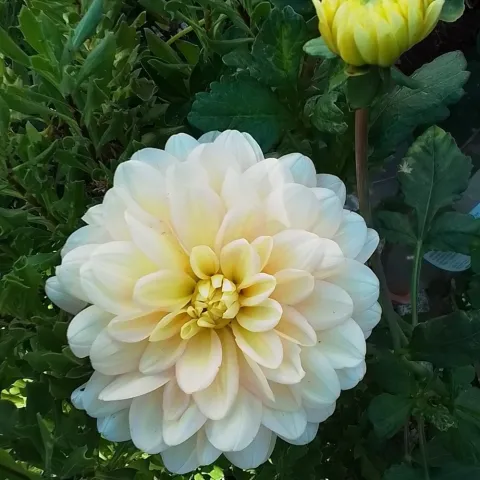
yellow blooming dahlia and a dahlia bud
Under the Solano Sun: Article

Plant Nerd Journal Profile: Dahlias

October 2, 2025
By Jennifer M Baumbach
Article by Patricia MattesonWhy: I want to find a perennial to plant through a freesia bed that is nothing but unsightly dry leaves from April to November. Preferably something with the opposite growing/flowering season. The plants must be low, because they will be growing below an espaliered cherry tree. I…
View Article
Primary Image
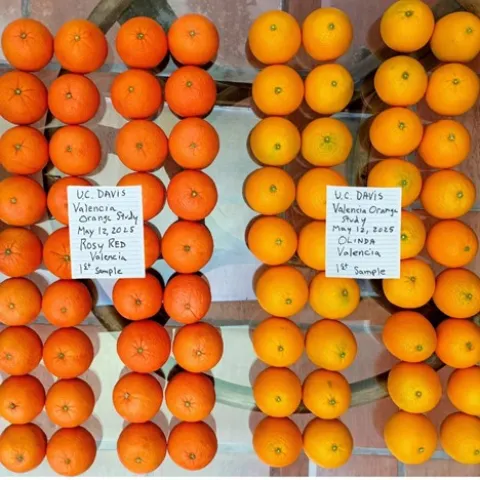
Olinda versus Rosy Red Valencia
Topics in Subtropics: Article

A New Valencia Variety

October 2, 2025
By Ben A Faber
Research might seem like it happens primarily in labs or hospitals, under microscopes or with the latest in high-tech equipment. But in California, where farming has grown into a $60B industry, science is happening down on the farm — and research has literally become an essential part of putting food on the…
View Article
Primary Image
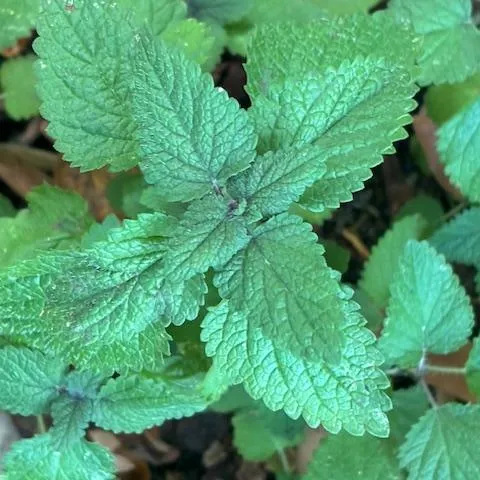
Lemon Balm
Napa Master Gardener Column: Article

Lemon Balm

October 1, 2025
By Michael Lecours
By Cindy Watter, UC Master Gardener of Napa County While organizing some of my old newspaper columns, I came across one that declared myaffection for invasive plants. In fact, I ranked them at the top of my plant pantheon, because forme, “invasive” can be synonymous with “easy to grow.” (Yes, I’m…
View Article
Primary Image
leafy greens in a six pack
Under the Solano Sun: Article

No Need to Turn in your Trowel in Winter

October 1, 2025
By Jennifer M Baumbach
Article by Patti BrantleyWhen summer vegetables fade, many people think gardening has to stop. In fact, the cooler months are an ideal time to grow leafy greens. Plants like lettuce, spinach, bok choy, and chard not only tolerate lower temperatures but also often taste better. Cooler weather slows bolting,…
View Article
Vertebrate Pest Conference: Page

International Speakers

CONFERENCE INVITATION LETTERFor Visa Application SupportBelow we have outlined an invitational letter template that we will provide to our international attendees requiring a visa application after their submitted abstract has been accepted. Please view the letter below. Fill in the information…
View Page