A Natural Solution for California's Herds: African Catfish Peptides

California's cattle producers and agricultural communities are all too familiar with the rising challenge of antibiotic resistance, making common bacterial infections harder to treat in livestock. But imagine a future where we could tackle these infections with a natural, powerful alternative. Our research points to just that: antimicrobial peptides (AMPs) found in African catfish.

We're really excited about these peptides because African catfish thrive in pathogen-rich freshwater, naturally producing these robust immune compounds in their skin mucus as a defense. This natural origin makes them highly appealing alternatives to synthetic drugs.

Predicted Safety and Potent Action

One of the most compelling aspects of these AMPs is their predicted safety for mammals. Our initial computer analyses suggest that various catfish AMPs are generally recognized as safe (GRAS). We predict they'll be absorbed in the human intestine without causing liver, brain, or heart toxicity. Furthermore, lab tests on a promising peptide, NACAP-II, confirmed it was non-hemolytic, meaning it didn't damage rabbit red blood cells—a strong indicator of its potential safety for mammalian cells.

Beyond safety, these peptides demonstrate effectiveness against problematic bacteria. One study revealed NACAP-II's strong activity against Extended-Spectrum Beta-Lactamase (ESBL)-producing Escherichia coli—a critical concern for both animal and human health due to its resistance to many common antibiotics. Another peptide, ACAP-IV, also showed antibacterial activity against E. coli and Staphylococcus aureus. We believe these AMPs work by directly disrupting bacterial cell membranes, a mechanism that makes it harder for bacteria to develop resistance compared to how they resist traditional antibiotics.

UC Master Gardeners of Orange County: Event

[PODCAST] This Month In The Garden – October 2025

Event Date
Oct 1, 2025

It’s October in the Garden time! This week, Master Gardeners Teena Spindler and Katrina Kirkeby bring you the This Month In The Garden show on In The Garden with UC Master Gardeners of Orange County. Tasks start with a good work up of the soil. Just like in Spring, amend and fertilize and dig deep. Get…
UC Master Gardeners of Orange County
View Event
Article

[PODCAST] This Month In The Garden – October 2025

October 1, 2025
By Loren Nelson
It’s October in the Garden time! This week, Master Gardeners Teena Spindler and Katrina Kirkeby bring you the This Month In The Garden show on In The Garden with UC Master Gardeners of Orange County. Tasks start with a good work up of the soil. Just like in Spring, amend and fertilize and dig deep. Get…
View Article
Primary Image
A lighter-colored, spindly grass embedded in a darker green lawn.
Pests in the Urban Landscape: Article

Do You Hate Crabgrass?

October 1, 2025
By Belinda Messenger-Sikes
Crabgrass popping up in your lawn or landscape can be aggravating, but don't despair -- you can manage this common annual weed with integrated pest management!  First, make sure that you are dealing with crabgrass and not a lookalike grass like dallisgrass or bermudagrass. The newly revised Pest Notes:…
View Article
UC Master Food Preserver: Event

Q&A: Become a UC Master Food Preserver Volunteer Statewide Training

Event Date
Nov 20, 2025

Hosted by the UC Master Food Preservers ProgramMultiple UC Master Food Preserver Programs are offering a combination online/in-person group training in 2026 for new volunteers. At these online training information meetings, you'll learn what the UC Master Food Preserver Program is, how it operates locally,…
UC Master Food Preserver
View Event
Primary Image
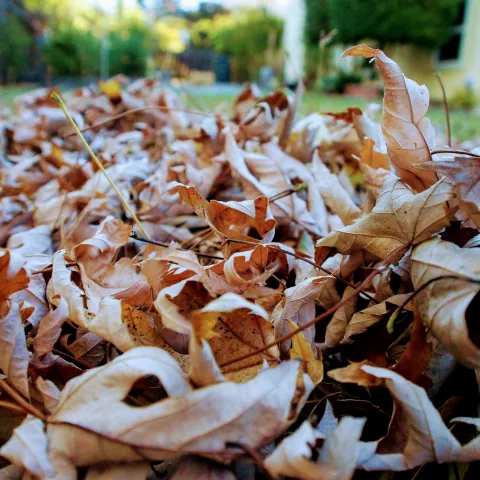
Pile of autumn leaves, point of view - ground level
UC Master Gardeners of San Mateo & San Francisco Counties: Article

Leave the Leaves

October 1, 2025
By Cathrin Callas
 It’s fall and the leaves are falling. Instead of raking or blowing, use the free mulch to protect your soil and the living organisms in it. The leaves also will help to suppress weeds, prevent erosion and provide a winter home for many insects and invertebrates. As the leaves break down, they will feed…
View Article
Event Primary Image
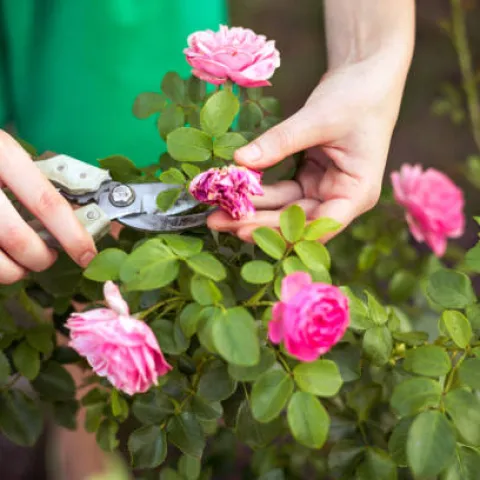
pruning roses
UC Marin Master Gardeners: Event

Rose Pruning Workshop

Event Date
Jan 10, 2026

Program: The best time to prune roses in our area is early winter. Come and learn when and how to prune your roses with rose pruning expert Don Chapman. Don’s class is always a favorite. Don’t miss this opportunity to learn tips and tricks and to renew your rose pruning skills. After Don’s lecture, there…
UC Marin Master Gardeners
View Event
Primary Image
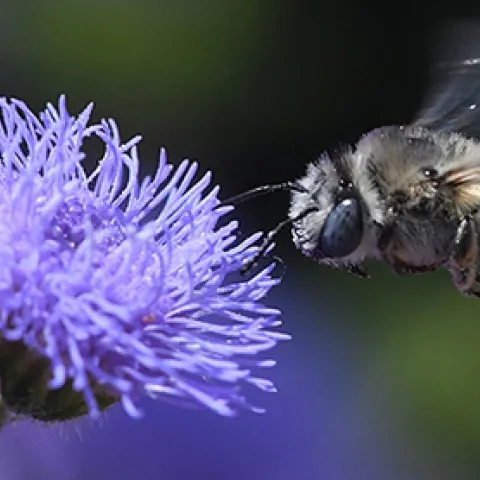
 Anthophora urbana on Ageratum houstonianum 'Blue Horizon' (Photo by Kathy Keatley Garvey)

ESA to Meet in Portland, Ore.

October 1, 2025
By Kathy Keatley Garvey
 Thousands of insect scientists worldwide are expected to attend the annual meeting of the Entomological Society of America (ESA), set Nov. 9-12 in Portland, Ore.The theme: "Bridging Generations with Innovation, Legacy, and Passion."ESA posted this on its website:"Get ready for Entomology 2025! From…
View Article