A Natural Solution for California's Herds: African Catfish Peptides

California's cattle producers and agricultural communities are all too familiar with the rising challenge of antibiotic resistance, making common bacterial infections harder to treat in livestock. But imagine a future where we could tackle these infections with a natural, powerful alternative. Our research points to just that: antimicrobial peptides (AMPs) found in African catfish.

We're really excited about these peptides because African catfish thrive in pathogen-rich freshwater, naturally producing these robust immune compounds in their skin mucus as a defense. This natural origin makes them highly appealing alternatives to synthetic drugs.

Predicted Safety and Potent Action

One of the most compelling aspects of these AMPs is their predicted safety for mammals. Our initial computer analyses suggest that various catfish AMPs are generally recognized as safe (GRAS). We predict they'll be absorbed in the human intestine without causing liver, brain, or heart toxicity. Furthermore, lab tests on a promising peptide, NACAP-II, confirmed it was non-hemolytic, meaning it didn't damage rabbit red blood cells—a strong indicator of its potential safety for mammalian cells.

Beyond safety, these peptides demonstrate effectiveness against problematic bacteria. One study revealed NACAP-II's strong activity against Extended-Spectrum Beta-Lactamase (ESBL)-producing Escherichia coli—a critical concern for both animal and human health due to its resistance to many common antibiotics. Another peptide, ACAP-IV, also showed antibacterial activity against E. coli and Staphylococcus aureus. We believe these AMPs work by directly disrupting bacterial cell membranes, a mechanism that makes it harder for bacteria to develop resistance compared to how they resist traditional antibiotics.
Event Primary Image
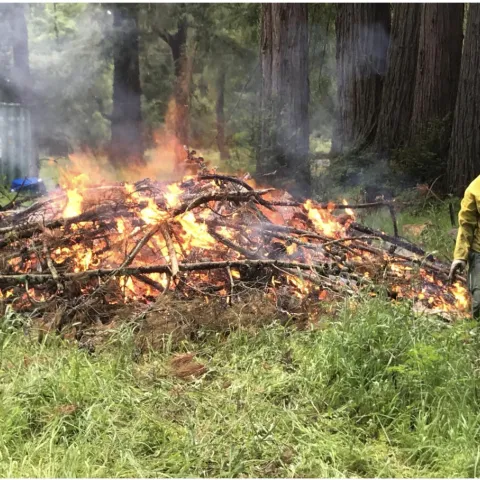
Photo of a burn pile
Forestry Research and Outreach: Event

Forest Stewardship Field Day: Russell Research Forest Walking Tour

Event Date
Nov 9, 2025

FREE EVENT: Join UC Berkeley Forestry Instructor Rainbow De Silva to learn about the history of UC Berkeley's Russell Research Forest and its fire-adapted ecosystem!All are welcome to attend: forest landowners, land managers, natural resources professionals, students, and interested members of the public…
Forestry Research and Outreach
View Event
UC Cooperative Extension - Madera County: Page

Donate NEW

Give to the Madera Master Gardener Program End of the year giving: As the year comes to a close, we celebrate the incredible difference UC Master Gardener volunteers have made across California. Thanks to you our gardens, helplines and workshops have become trusted spaces of learning , joy and…
View Page
Event Primary Image
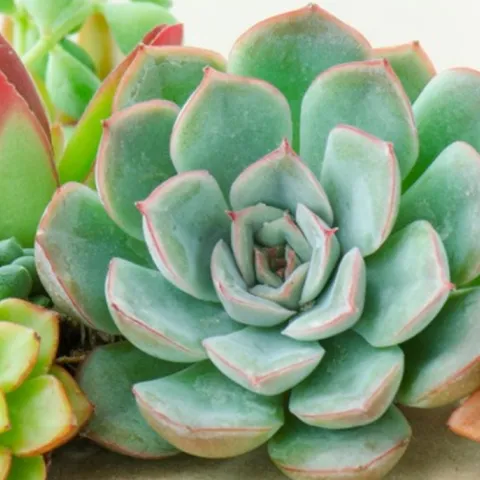
Succulent health care talk
UC Master Gardener Program of Sonoma County: Event

Succulent Plant Sale

Event Date
Oct 25, 2025

Sonoma County Master Gardeners will host a succulent plant sale at Sebastopol Center for the Arts, located at 282 South High Street. Succulents are a great fire-wise, water-wise and colorful plant for your garden. Four-inch and one-gallon succulents starting at just $5 will be available along with various…
UC Master Gardener Program of Sonoma County
View Event
Primary Image
Savoy cabbage
Fresno Gardening Green: Article

Warming climate requires changes in garden task timing

October 1, 2025
By Jeannette Warnert
The Central Valley in California is fortunate to have two full growing seasons. An average combined total of 267 sunny and partly sunny days allows for nearly constant crop production. The summer season is a long one and it’s getting longer as the climate warms. In years past gardeners were…
View Article
Primary Image
Old fashioned roses
Fresno Gardening Green: Article

Rosie's corner: Fertilization and light pruning begin

October 1, 2025
By Jeannette Warnert
Now that the weather is starting to be consistently below 90 degrees, you can fertilize your roses, if necessary. Don’t fertilize just to fertilize. Get your soil tested (if you haven’t already) to find out if you need any additional minerals to make the ingredients in your fertilizer available to the root…
View Article
ANR Update: Article

Annual Campus Climate Notification

October 1, 2025
By Pamela S Kan-Rice
Dear UC ANR Community,As we begin the 2025-26 year, we want to reaffirm our UC ANR Principles of Community and ensure that all members of our community understand both the rights and the responsibilities of free expression in the UC ANR context.This year we expect the continuation of active discourse on…
View Article