A Natural Solution for California's Herds: African Catfish Peptides

California's cattle producers and agricultural communities are all too familiar with the rising challenge of antibiotic resistance, making common bacterial infections harder to treat in livestock. But imagine a future where we could tackle these infections with a natural, powerful alternative. Our research points to just that: antimicrobial peptides (AMPs) found in African catfish.

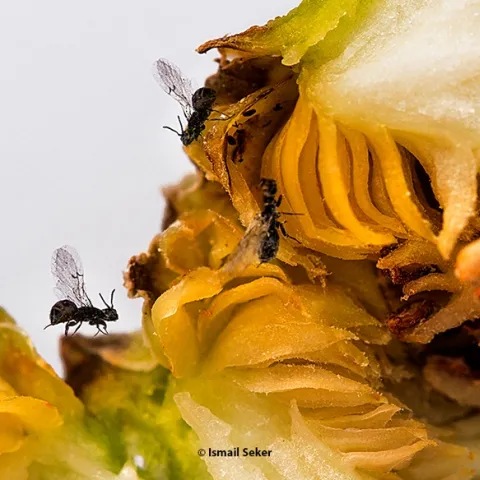
We're really excited about these peptides because African catfish thrive in pathogen-rich freshwater, naturally producing these robust immune compounds in their skin mucus as a defense. This natural origin makes them highly appealing alternatives to synthetic drugs.

Predicted Safety and Potent Action

One of the most compelling aspects of these AMPs is their predicted safety for mammals. Our initial computer analyses suggest that various catfish AMPs are generally recognized as safe (GRAS). We predict they'll be absorbed in the human intestine without causing liver, brain, or heart toxicity. Furthermore, lab tests on a promising peptide, NACAP-II, confirmed it was non-hemolytic, meaning it didn't damage rabbit red blood cells—a strong indicator of its potential safety for mammalian cells.

Beyond safety, these peptides demonstrate effectiveness against problematic bacteria. One study revealed NACAP-II's strong activity against Extended-Spectrum Beta-Lactamase (ESBL)-producing Escherichia coli—a critical concern for both animal and human health due to its resistance to many common antibiotics. Another peptide, ACAP-IV, also showed antibacterial activity against E. coli and Staphylococcus aureus. We believe these AMPs work by directly disrupting bacterial cell membranes, a mechanism that makes it harder for bacteria to develop resistance compared to how they resist traditional antibiotics.

Primary Image
Wyethia spp. Mule Ears
Under the Solano Sun: Article

Ya Hear What I’m Saying?

June 27, 2022
I frequently see different species of Mule's Ears while I'm on my hikes. Wyethia species plants are known as Mule's Ears. This genus is named after Nathaniel Jarvis Wyeth, an early explorer that lived from 1802-1856. He was also known to help create the ice industry.
View Article
Primary Image
Kids exercise outdoors with an instructor
ANR Employee News: Article

Fact sheets help guide programs with equity lens

June 27, 2022
By Pamela S Kan-Rice
The 4-H Program Leaders Working Group has published a series of fact sheets titled Thriving with an Equity Lens. While the fact sheets are written for 4-H professionals, the information is applicable to all of UC ANR's work with communities.
View Article
Primary Image
ACP mounted
Topics in Subtropics: Article

Which Way HLB/ACP?

June 27, 2022
By Ben A Faber
From: Cressida Silvers CA Citrus Pest and Disease Prevention Program ACP/HLB Grower Liaison Ventura, Santa Barbara and San Luis Obispo Counties 805 284-3310 (phone or text) ACP/HLB Resources New and improved CDFA Citrus Division website: https://www.cdfa.ca.
View Article
Primary Image
joints
Spill the Beans: Article

Garden Ergonomics

June 27, 2022
by Bob Niklewicz PT MG Whether you are a Budding Gardener or an Old Sage, the wonderful experiences we feel from the enjoyment of developing our garden should not be painful ones.
View Article
Primary Image
William Hambleton
ANR Employee News: Article

In memoriam: William Hambleton

June 24, 2022
By Pamela S Kan-Rice
William Bill Hambleton, UCCE farm advisor emeritus passed away on May 26 at age 94. He began his UC ANR career in 1966 as a UCCE farm advisor and worked with 4-H youth in Madera County. He subsequently became director for UCCE in Madera County, and then director for UCCE in Fresno County.
View Article
Primary Image
A crab spider dining on a bee on a blanketflower, Gallardia. Everyone eats in the garden. (Photo by Kathy Keatley Garvey)
Bug Squad: Article

Close Encounters of the Eight-Legged Kind

June 24, 2022
By Kathy Keatley Garvey
Those who know that spiders have eight legs know exactly what's being showcased at the UC Davis Bohart Museum of Entomology open house, "Eight-Legged Encounters," on Saturday, June 25. Spiders and other arachnids. And you're invited.
View Article
Primary Image
UC Davis distinguished professor James R. Carey is an internationally recognized teacher. His students have won first prize in the SEM competitions for the last three years. (Photo by Kathy Keatley Garvey)
Entomology & Nematology News: Article

Students in UC Davis Entomology Classes Sweep Lang Prize Awards

June 24, 2022
By Kathy Keatley Garvey
UC Davis Department of Entomology and Nematology undergraduate students swept all three awards in the Science, Engineering and Mathematics (SEM) category of the sixth annual campuswide Norma J. Lang Prize for Undergraduate Information Research.
View Article
Primary Image
Larry Schwankl
ANR Employee News: Article

In memoriam: Lawrence Schwankl

June 24, 2022
By Pamela S Kan-Rice
Larry Schwankl, UC Cooperative Extension specialist emeritus, died from complications due to cancer May 2, 2022, in Visalia. He was 68.
View Article
Primary Image
photos of red hot poker, yarrow and roses.
The Stanislaus Sprout: Article

July Gardening Classes at Stanislaus County Libraries

June 24, 2022
By Anne E Schellman
Summer is a great time to sit inside an air-conditioned library and learn about gardening! Don't see your local library listed? Comment below to help usdecidewhereinStanislaus County to start teaching classes next! Monday, July 11, 2022 at 6:00 p.m.
View Article