A Natural Solution for California's Herds: African Catfish Peptides

California's cattle producers and agricultural communities are all too familiar with the rising challenge of antibiotic resistance, making common bacterial infections harder to treat in livestock. But imagine a future where we could tackle these infections with a natural, powerful alternative. Our research points to just that: antimicrobial peptides (AMPs) found in African catfish.

We're really excited about these peptides because African catfish thrive in pathogen-rich freshwater, naturally producing these robust immune compounds in their skin mucus as a defense. This natural origin makes them highly appealing alternatives to synthetic drugs.

Predicted Safety and Potent Action

One of the most compelling aspects of these AMPs is their predicted safety for mammals. Our initial computer analyses suggest that various catfish AMPs are generally recognized as safe (GRAS). We predict they'll be absorbed in the human intestine without causing liver, brain, or heart toxicity. Furthermore, lab tests on a promising peptide, NACAP-II, confirmed it was non-hemolytic, meaning it didn't damage rabbit red blood cells—a strong indicator of its potential safety for mammalian cells.

Beyond safety, these peptides demonstrate effectiveness against problematic bacteria. One study revealed NACAP-II's strong activity against Extended-Spectrum Beta-Lactamase (ESBL)-producing Escherichia coli—a critical concern for both animal and human health due to its resistance to many common antibiotics. Another peptide, ACAP-IV, also showed antibacterial activity against E. coli and Staphylococcus aureus. We believe these AMPs work by directly disrupting bacterial cell membranes, a mechanism that makes it harder for bacteria to develop resistance compared to how they resist traditional antibiotics.

Primary Image
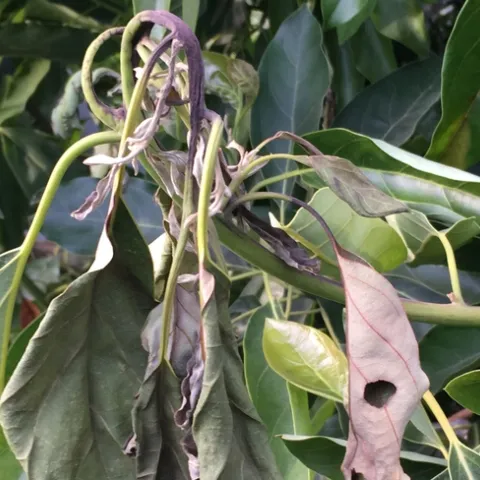
trunk injection
Topics in Subtropics: Article

Tree Trunk Injection Review

June 29, 2022
By Ben A Faber
Trunk injection is a technique for applying plant protection materials that offers an alternative to foliar sprays or soil drenches.
View Article
UCCE Siskiyou: Article

2022 Spring Newsletter

June 29, 2022
Research Updates Aphids Weevils Frost Damage Spring 2022 and the interaction between cold temperatures and insect damage...
View Article
Primary Image
Very white flesh to this berry.

White Strawberries Go Mainstream

June 29, 2022
By Mark P Bolda
Like many of you I've heard about these white or ros strawberries, but until yesterday never had the opportunity to try one. My daughter found the ones pictured below at the local "Bargain Market" and brought them home for us to try, I think they were around $2.50 for the basket.
View Article
Soils and Nutrients: Article

Summer 2022

June 28, 2022
*Practical Considerations Around Growing Cover Crops in the San Joaquin Valley *Hollingsworth Shifting Focus from Soils to Grapes *Waste Not, Want Not-Monitor Nitrogen in Fall-Applied Compost...
View Article
Primary Image
UC ANR Pride 2022
ANR Employee News: Article

UC ANR celebrates Pride Month

June 28, 2022
By Pamela S Kan-Rice
June is Pride Month, when we celebrate and recognize the contributions and struggles of the LGBTQ+ community. At UC ANR, the LGBTQ+ Employee Resource Group organized two educational events. Nate Looney, a transgender man and CEO and owner of Westside Urban Gardens, was a guest speaker on June 17.
View Article
Primary Image
Two men standing on stage with plaque.
ANR Employee News: Article

Doug Parker retires from bicoastal career of water research

June 28, 2022
By Pamela S Kan-Rice
Working to solve California water challenges, Doug Parker coordinates water-related research, extension and education efforts across the University of California system, other academic institutions and government agencies.
View Article
Blog - Forest Research and Outreach : Article

Save trees first: Tips to keep them alive during drought

June 28, 2022
By Susan D Kocher
Reposted from UCANR News Trees essential to lowering temperatures, cooling heat islands' Water restrictions prompted by the drought are driving Californians to prioritize how they will use their limited water.
View Article