A Natural Solution for California's Herds: African Catfish Peptides

California's cattle producers and agricultural communities are all too familiar with the rising challenge of antibiotic resistance, making common bacterial infections harder to treat in livestock. But imagine a future where we could tackle these infections with a natural, powerful alternative. Our research points to just that: antimicrobial peptides (AMPs) found in African catfish.

We're really excited about these peptides because African catfish thrive in pathogen-rich freshwater, naturally producing these robust immune compounds in their skin mucus as a defense. This natural origin makes them highly appealing alternatives to synthetic drugs.

Predicted Safety and Potent Action

One of the most compelling aspects of these AMPs is their predicted safety for mammals. Our initial computer analyses suggest that various catfish AMPs are generally recognized as safe (GRAS). We predict they'll be absorbed in the human intestine without causing liver, brain, or heart toxicity. Furthermore, lab tests on a promising peptide, NACAP-II, confirmed it was non-hemolytic, meaning it didn't damage rabbit red blood cells—a strong indicator of its potential safety for mammalian cells.

Beyond safety, these peptides demonstrate effectiveness against problematic bacteria. One study revealed NACAP-II's strong activity against Extended-Spectrum Beta-Lactamase (ESBL)-producing Escherichia coli—a critical concern for both animal and human health due to its resistance to many common antibiotics. Another peptide, ACAP-IV, also showed antibacterial activity against E. coli and Staphylococcus aureus. We believe these AMPs work by directly disrupting bacterial cell membranes, a mechanism that makes it harder for bacteria to develop resistance compared to how they resist traditional antibiotics.
Primary Image
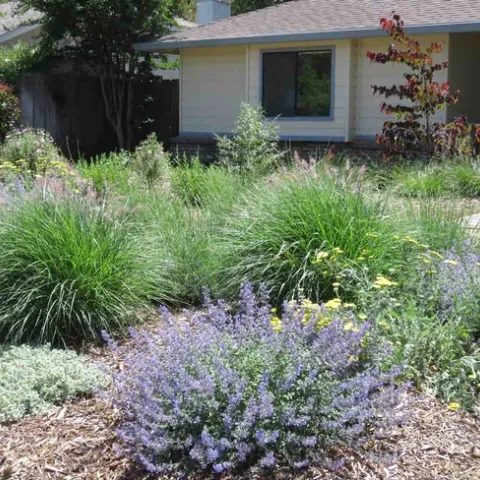
U of O Urban Garden Entrance - all photos by Al Alvarado
Under the Solano Sun: Article

A Visit to the University of Oregon Urban Farm

June 24, 2022
On a recent trip to see my sister in Eugene, we had the opportunity to visit The Urban Farm that is located on the University of Oregon campus. The nearly two-acre garden is beautiful, quiet and serene, reflecting the love and constant attention given by the student caretakers.
View Article
Primary Image
Eric Mussen worked with beekeepers and many other people who were interested in bees. Photo by Kathy Keatley Garvey
ANR Employee News: Article

In memoriam: Eric Mussen

June 24, 2022
By Pamela S Kan-Rice
Eric C. Mussen, emeritus UC Cooperative Extension apiculturist, died June 3 after being diagnosed with liver cancer on May 31. He was 78.
View Article
Primary Image
BidwellsBarsweetorangeCRC1512003
Topics in Subtropics: Article

Older is Better?

June 24, 2022
By Ben A Faber
Stan Lim/UC Riverside German Rafael Villalba-Salazar, nursery technician, harvesting budwood from mother citrus trees at the UC Citrus Clonal Protection Program facility.
View Article
Primary Image
Verbena Fields oak vista, Laura Lukes
The Real Dirt: Article

Summer Branch Drop in Oaks

June 24, 2022
At this time of the year, it is not uncommon for large branches to suddenly drop from oak trees without warning.
View Article
Primary Image
A striking garden spider, as seen through a fisheye lens. (Photo by Kathy Keatley Garvey)
Bug Squad: Article

Jason Bond: A Deep Appreciation for Arachnids

June 23, 2022
By Kathy Keatley Garvey
"For some people, spiders can be at the same time fascinating and frightening. The helpful friend who caught that fly buzzing around your kitchen, and the pest that scared you in the shower.
View Article
Primary Image
ripening tomatoes
Under the Solano Sun: Article

Lessons from Four Summers Growing Tomatoes

June 23, 2022
I think I finally figured out how to grow tomatoes. This is my fourth year growing tomatoes in the backyard, and two months into the season it feels like the first time I'm having real success. It's not that the first three seasons were complete failures, though at times it felt that way.
View Article
Primary Image
Let sleeping bees lie? A tiny crab spider joins two male longhorned bees sleeping overnight on a Mexican sunflower, Tithonia rotundifola. The bees are Melissodes agilis. (Photo by Kathy Keatley Garvey)
Bug Squad: Article

You'll Want to See the Spiders Saturday at the Bohart Museum of Open House

June 22, 2022
By Kathy Keatley Garvey
Ever seen a crab spider hanging out on a flower? Yes? Ever seen a crab spider hanging out with two male longhorned bees that are sleeping overnight on a flower? No? Such was the case last night when a Mexican sunflower, Tithonia rotundifola, drew two Melissodes agilis and one crab spider.
View Article
Tehama County: Article

June 2022 SVR WALNUT Newsletter Vol.#7

June 22, 2022
IN THIS ISSUE: Walnut Management Summer Considerations Mid to Late-Season Drought Strategies Managing Walnut Mold (2022 Update) Staff Research Associate Introduction Follow us on Twitter Listen to Growing the Valley Podcast Upcoming Announcements...
View Article