A Natural Solution for California's Herds: African Catfish Peptides

California's cattle producers and agricultural communities are all too familiar with the rising challenge of antibiotic resistance, making common bacterial infections harder to treat in livestock. But imagine a future where we could tackle these infections with a natural, powerful alternative. Our research points to just that: antimicrobial peptides (AMPs) found in African catfish.

We're really excited about these peptides because African catfish thrive in pathogen-rich freshwater, naturally producing these robust immune compounds in their skin mucus as a defense. This natural origin makes them highly appealing alternatives to synthetic drugs.

Predicted Safety and Potent Action

One of the most compelling aspects of these AMPs is their predicted safety for mammals. Our initial computer analyses suggest that various catfish AMPs are generally recognized as safe (GRAS). We predict they'll be absorbed in the human intestine without causing liver, brain, or heart toxicity. Furthermore, lab tests on a promising peptide, NACAP-II, confirmed it was non-hemolytic, meaning it didn't damage rabbit red blood cells—a strong indicator of its potential safety for mammalian cells.

Beyond safety, these peptides demonstrate effectiveness against problematic bacteria. One study revealed NACAP-II's strong activity against Extended-Spectrum Beta-Lactamase (ESBL)-producing Escherichia coli—a critical concern for both animal and human health due to its resistance to many common antibiotics. Another peptide, ACAP-IV, also showed antibacterial activity against E. coli and Staphylococcus aureus. We believe these AMPs work by directly disrupting bacterial cell membranes, a mechanism that makes it harder for bacteria to develop resistance compared to how they resist traditional antibiotics.

Master Food Preserver Program of San Diego County: Page

Cold Storage

This collection of documents from University Extension offices nationwide provides information on and examples of refrigeration and freezing preservation methods. Research on food preservation is ongoing – recommendations may have changed since the release of some documents. Please refer to…
View Page
Primary Image
Monarch in flight, heading toward narrow-leafed milkweed. (Photo by Kathy Keatley Garvey)

Second Monarch Arrives

August 21, 2025
By Kathy Keatley Garvey
 Too good to be true!What did I deserve to see--and photograph--a second monarch in our Vacaville pollinator garden this year? The first arrived July 15. The second, Aug. 21. Both were females laying eggs.But there she was. At 10 a.m. today, this majestic female fluttered in, heading straight for the…
View Article
Master Food Preserver Program of San Diego County: Page

Tomatoes

UC Master Food Preserver Publications: TomatoesThis collection of documents from University Extension offices nationwide provides information on and examples of preserving tomatoes. Note that some documents only refer to using a boiling water canner (aka water bath canner), but you may also use an …
View Page
Master Food Preserver Program of San Diego County: Page

Fruit and Fruit Spreads

UC Master Food Preserver Publications: Fruits & Fruit SpreadsThis collection of documents from University Extension offices nationwide provides overviews of methods and examples of making jam, jelly and other fruit spreads. Note that some documents only refer to using a boiling water canner (aka…
View Page
Master Food Preserver Program of San Diego County: Page

Preservation Methods

UC Master Food Preserver Publications: MethodsThis collection of documents from University Extension offices nationwide provides overviews of preservation methods. Note that some documents only refer to using a boiling water canner (aka water bath canner), but you may also use an atmospheric steam…
View Page
Agricultura y Recursos Naturales: Page

Mes de la Herencia Hispana 2025

   Mes de la Herencia Hispana 2025Celebrando nuestra dignidad, nuestro legado, nuestra vozPertenecemos, Construímos y SobrevivimosView the English version El 2025 es un año difícil para las comunidades latinas en Estados Unidos. Las familias viven bajo la sombra de operativos de…
View Page
Master Food Preserver Program of San Diego County: Page

Food Safety

UC Master Food Preserver Publications: Food SafetyUC Master Food Preserver ProgramThis collection of documents from University Extension offices nationwide provides overviews of food safety. Research on food preservation is ongoing – recommendations may have changed since the release of some…
View Page
Primary Image
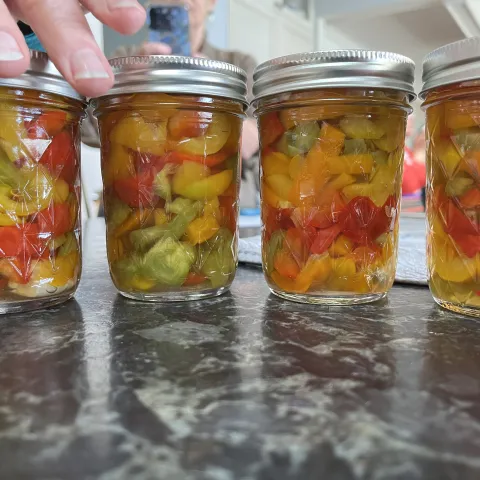
pickled peppers
Master Food Preserver Program of San Diego County: Document

Newsletter

Read Past Editions of our NewsletterWant to have them delivered to your in box? We'll also notify you of upcoming events.Signup Here!    
View Document
Event Primary Image
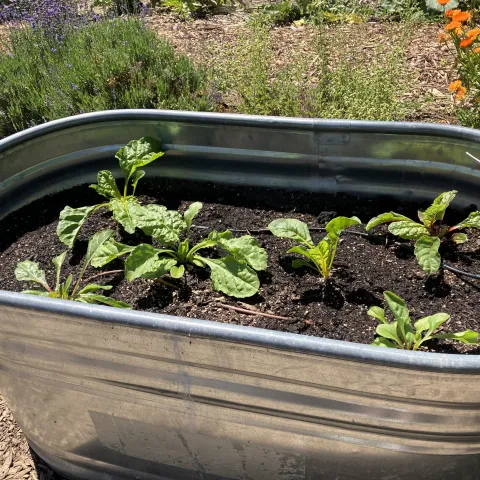
Just planted greens in the Edible Demonstration Garden at IVC. Photo: Sara O’Keefe
UC Marin Master Gardeners: Event

Thinking of a Winter Garden? – Grow Asian Greens!

Event Date
Nov 17, 2025

Program: Two Master Gardeners, Bonnie Marks and Mamie Yee – one living in Point Reyes and the other in San Rafael, will discuss why you may want to grow Asian greens in your garden. They will teach you how to grow them – from planting to harvest, including ideas about growing them in containers. They’ll…
UC Marin Master Gardeners
View Event