A Natural Solution for California's Herds: African Catfish Peptides

California's cattle producers and agricultural communities are all too familiar with the rising challenge of antibiotic resistance, making common bacterial infections harder to treat in livestock. But imagine a future where we could tackle these infections with a natural, powerful alternative. Our research points to just that: antimicrobial peptides (AMPs) found in African catfish.

We're really excited about these peptides because African catfish thrive in pathogen-rich freshwater, naturally producing these robust immune compounds in their skin mucus as a defense. This natural origin makes them highly appealing alternatives to synthetic drugs.

Predicted Safety and Potent Action

One of the most compelling aspects of these AMPs is their predicted safety for mammals. Our initial computer analyses suggest that various catfish AMPs are generally recognized as safe (GRAS). We predict they'll be absorbed in the human intestine without causing liver, brain, or heart toxicity. Furthermore, lab tests on a promising peptide, NACAP-II, confirmed it was non-hemolytic, meaning it didn't damage rabbit red blood cells—a strong indicator of its potential safety for mammalian cells.

Beyond safety, these peptides demonstrate effectiveness against problematic bacteria. One study revealed NACAP-II's strong activity against Extended-Spectrum Beta-Lactamase (ESBL)-producing Escherichia coli—a critical concern for both animal and human health due to its resistance to many common antibiotics. Another peptide, ACAP-IV, also showed antibacterial activity against E. coli and Staphylococcus aureus. We believe these AMPs work by directly disrupting bacterial cell membranes, a mechanism that makes it harder for bacteria to develop resistance compared to how they resist traditional antibiotics.
Event Primary Image
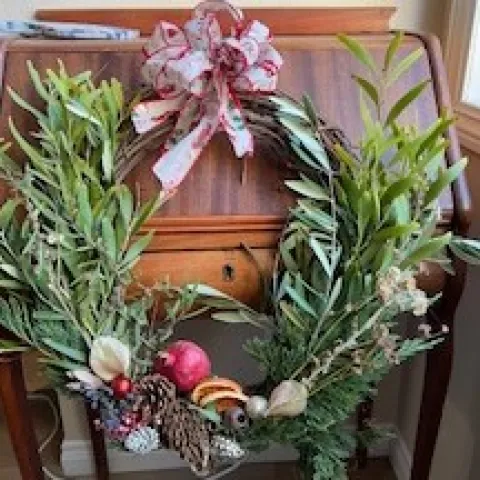
Natural wreath
UC Master Gardeners of Ventura County: Event

Create a Beautiful Natural Holiday Wreath!/Oxnard

Event Date
Dec 6, 2025

Create a Beautiful Natural Holiday Wreath!Using items from nature, build a beautiful holiday wreath. We will provide the wreath base, wire and glue, ribbon, as well as some natural items like pine cones, acorns, and greenery. Please bring items you've  gathered  from your yard such as seed pods,…
UC Master Gardeners of Ventura County
View Event
Communications Toolkit: Page

Navigation

Learn what website navigation is, why it matters, and how tools like menus, breadcrumbs, and search help visitors find what they need.
View Page
Communications Toolkit: Page

Getting Started with Your UC ANR Website

If you’re an editor for a UC ANR site, this guide is your starting point. Whether you’re adding a brand-new page, updating something that’s out of date, or just giving your site a quick refresh, you’ll find the essentials here. We’ll cover the basics of training, how to plan your content, and tips for…
View Page
Agricultural Economics: Page

Topics Subtropics Archive 2010 - 2024

Newsletters 2010-2024 ISSUESARTICLESDOWNLOAD FILES2024, Vol 25, SummerTOPICS IN THIS ISSUE:  Cherimoya Growers Handbook Available On-LineLearning From the RainOptimizing Avocado Irrigation Management Practices Using Soil Moisture SensingPest Alert: Fig Wax ScaleAg Labor Management…
View Page
Event Primary Image
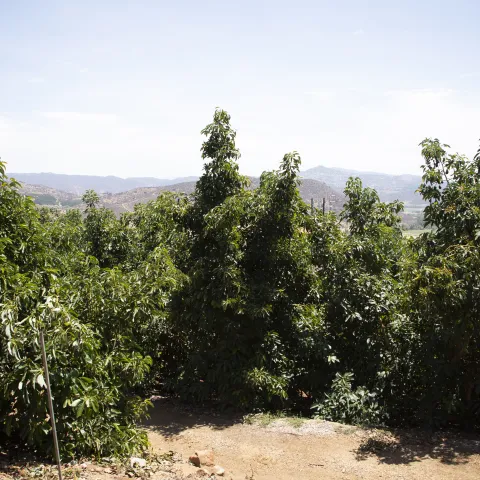
Avocado grove in San Diego
UC Organic Agriculture Institute: Event

2025 San Diego Region Organic Agriculture Conference

Event Date
Sep 25, 2025 - Sep 26, 2025

2025 San Diego Region Organic Agriculture Conference Join us for two events celebrating organic agriculture in San Diego County! Learn from local organic farmers about their production practices and marketing strategies during three pre-conference farm tours on Thursday, September 25th. At the…
UC Organic Agriculture Institute
View Event
UC Master Food Preservers of Central Sierra: Event

Online-Food Preservation Basics: Dehydrating and Freezing

Event Date
Oct 29, 2025

Learn how dehydrating and freezing safely preserve fruits, vegetables, and herbs by slowing microbial growth and enzyme activity. This class covers food safety, equipment options, storage tips, and creative ways to use preserved foods at home.
UC Master Food Preservers of Central Sierra
View Event
Master Food Preserver Program of San Diego County: Page

Low-Acid Foods

This collection of documents from University Extension offices nationwide provides instructions on and examples of canning non-pickled vegetables and foods. Research on food preservation is ongoing – recommendations may have changed since the release of some documents. Please refer to the …
View Page
Master Food Preserver Program of San Diego County: Page

Fermenting

This collection of documents from University Extension offices nationwide provides information on and examples of fermenting fruits, vegetables, dairy, and more. Note that some documents only refer to using a boiling water canner (aka water bath canner), but you may also use an atmospheric steam…
View Page
Primary Image
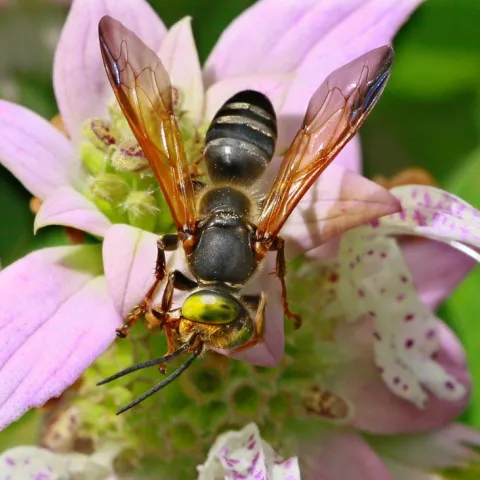
tachytes wasp on pink flower
Under the Solano Sun: Article

Green-Eyed Lady, Lovely Lady

August 22, 2025
By Jennifer M Baumbach
Blog by Melinda NestlerodeEveryone has a horror story to tell about wasps. When I mentioned that I was writing a blog about wasps to a friend, he launched into a tale about accidentally digging up a nest and then running for dear life. We all have stories of ruined picnics, encounters with wasps nests, and…
View Article
Master Food Preserver Program of San Diego County: Page

Pickling

This collection of documents from University Extension offices nationwide provides information on and examples of pickling fruits and vegetables. Note that some documents only refer to using a boiling water canner (aka water bath canner), but you may also use an atmospheric steam canner to can…
View Page