A Natural Solution for California's Herds: African Catfish Peptides

California's cattle producers and agricultural communities are all too familiar with the rising challenge of antibiotic resistance, making common bacterial infections harder to treat in livestock. But imagine a future where we could tackle these infections with a natural, powerful alternative. Our research points to just that: antimicrobial peptides (AMPs) found in African catfish.

We're really excited about these peptides because African catfish thrive in pathogen-rich freshwater, naturally producing these robust immune compounds in their skin mucus as a defense. This natural origin makes them highly appealing alternatives to synthetic drugs.

Predicted Safety and Potent Action

One of the most compelling aspects of these AMPs is their predicted safety for mammals. Our initial computer analyses suggest that various catfish AMPs are generally recognized as safe (GRAS). We predict they'll be absorbed in the human intestine without causing liver, brain, or heart toxicity. Furthermore, lab tests on a promising peptide, NACAP-II, confirmed it was non-hemolytic, meaning it didn't damage rabbit red blood cells—a strong indicator of its potential safety for mammalian cells.

Beyond safety, these peptides demonstrate effectiveness against problematic bacteria. One study revealed NACAP-II's strong activity against Extended-Spectrum Beta-Lactamase (ESBL)-producing Escherichia coli—a critical concern for both animal and human health due to its resistance to many common antibiotics. Another peptide, ACAP-IV, also showed antibacterial activity against E. coli and Staphylococcus aureus. We believe these AMPs work by directly disrupting bacterial cell membranes, a mechanism that makes it harder for bacteria to develop resistance compared to how they resist traditional antibiotics.

Primary Image
46454542 2432929290068717 447466842701692928 n
Ranching in the Sierra Foothills: Article

Not Just Us: Wildfire Smoke Impacts to Livestock

November 15, 2018
By Daniel K Macon
The Camp Fire, which started a week ago today in the foothills northeast of Chico, has devastated the communities of Paradise and Magalia. As of this writing, the fire has consumed nearly 150,000 acres and destroyed more than 10,000 structures.
View Article
Tehama County: Article

November 2018

November 15, 2018
County Record Book Evaluation, November 3, Corning High School Club Leadership Training, November 14, Antelope School Cafe Mobile Finger Printing Opportunity, December 6, UCCE/4-H Office Upcoming regional trainings and events and more!...
View Article
Primary Image
Acacia boormanii
UC Master Gardeners- Diggin' it in SLO: Article

Acacias

November 15, 2018
Acacias By Andrea Peck UCCE Master Gardener Common Name: Purple Fernleaf Acacia Latin Name: Acacia bayleyana purpurea Planting zone: USDA 9-11 Size of Plant: This plant grows 20-30 feet tall and wide.
View Article
Primary Image
Tarantula
UC Master Gardeners- Diggin' it in SLO: Article

Tarantulas!!

November 15, 2018
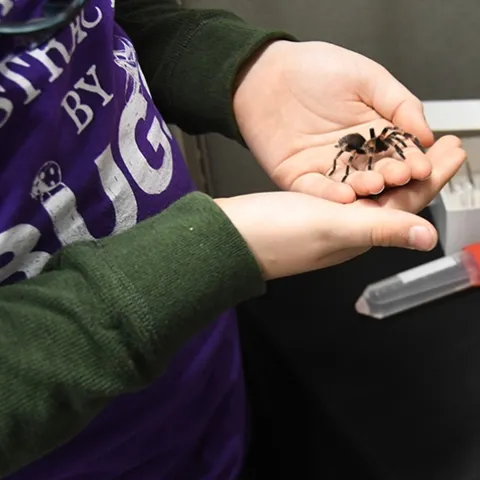
California Tarantulas (Aphonopelma sp.) By Norman Smith This is the time of year when you might see tarantulas wandering around the woodlands and crossing roads, often in broad daylight - unusual for a spider. Well, what you are seeing are male tarantulas, looking for a female.
View Article
Notes in the Margins: Agronomy and Weed Science Musings: Article

Upcoming Extension Meetings: December 2018

November 15, 2018
Water Measuring and Reporting Shortcourse Senate Bill 88 requires that all water right holders who have previously diverted or intend to divert more than 10 acre-feet per year (riparian and pre-1914 claims), or who are authorized to divert more than 10 acre-feet per year under a permit, license, or...
View Article