A Natural Solution for California's Herds: African Catfish Peptides

California's cattle producers and agricultural communities are all too familiar with the rising challenge of antibiotic resistance, making common bacterial infections harder to treat in livestock. But imagine a future where we could tackle these infections with a natural, powerful alternative. Our research points to just that: antimicrobial peptides (AMPs) found in African catfish.

We're really excited about these peptides because African catfish thrive in pathogen-rich freshwater, naturally producing these robust immune compounds in their skin mucus as a defense. This natural origin makes them highly appealing alternatives to synthetic drugs.

Predicted Safety and Potent Action

One of the most compelling aspects of these AMPs is their predicted safety for mammals. Our initial computer analyses suggest that various catfish AMPs are generally recognized as safe (GRAS). We predict they'll be absorbed in the human intestine without causing liver, brain, or heart toxicity. Furthermore, lab tests on a promising peptide, NACAP-II, confirmed it was non-hemolytic, meaning it didn't damage rabbit red blood cells—a strong indicator of its potential safety for mammalian cells.

Beyond safety, these peptides demonstrate effectiveness against problematic bacteria. One study revealed NACAP-II's strong activity against Extended-Spectrum Beta-Lactamase (ESBL)-producing Escherichia coli—a critical concern for both animal and human health due to its resistance to many common antibiotics. Another peptide, ACAP-IV, also showed antibacterial activity against E. coli and Staphylococcus aureus. We believe these AMPs work by directly disrupting bacterial cell membranes, a mechanism that makes it harder for bacteria to develop resistance compared to how they resist traditional antibiotics.

Primary Image
4H spirit day
ANR Employee News: Article

Wear green on Oct. 9 for 4-H Spirit Day

September 27, 2018
By Pamela S Kan-Rice
During National 4-H Week 2018, Tuesday, Oct. 9 is 4-H Spirit Day. Nationwide, everyone is encouraged to wear their 4-H shirt, a clover or green to show support for 4-H.
View Article
Primary Image
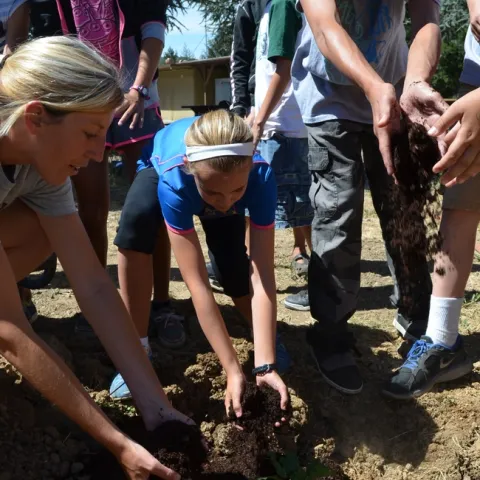
PLT kids digging
ANR Employee News: Article

Project Learning Tree partners with 4-H and CalNat

September 27, 2018
By Pamela S Kan-Rice
UC ANR programs collaborate to integrate best practices in environmental learning and stewardship to expand programming and impacts throughout the state Project Learning Tree (PLT) is an international, award-winning environmental education program, providing professional development training and wor...
View Article
Tehama County: Article

October 2018

September 27, 2018
Livestock Quiz Bowl Team Trainings for Volunteers and Club Leaders State Updates Club Reports And more! Have you enrolled for the 2018-19 4-H Program Year? Be sure to ask your club's leader or VEC (Volunteer Enrollment Coordinator).
View Article
Primary Image
bougainvillea trish
Under the Solano Sun: Article

Delayed Pruning

September 27, 2018
Well, finally I have begun to tackle my overdue garden pruning so it will be a fall pruning this year instead of spring.
View Article
Primary Image
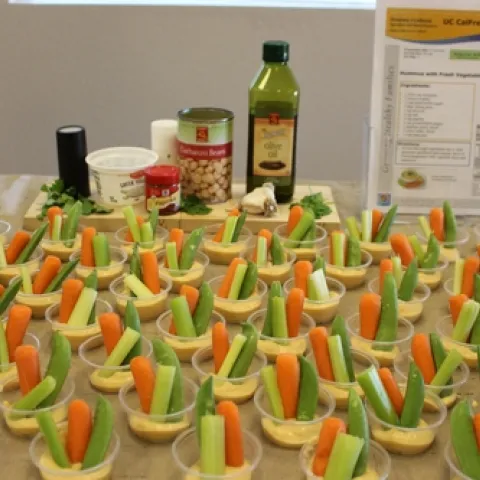
A display was prepared of the vegggie and hummus recipe. A few ingredients come together to make an easy and delicious snack
UC CalFresh Fresno/Madera Counties: Article

UC CalFresh Brings Healthy Snack Day to Madera County

September 27, 2018
Although the majority of the United States population consumes three meals a day, 40 to 50 percent also consume two to three snacks a day and about one-third consume four or more snacks a day.
View Article
UC Cooperative Extension Imperial County: Article

October 2018

September 27, 2018
BERMUDAGRASS STEM MAGGOT FOUND IN THE PALO VERDE VALLEY HOW MUCH WATER IS NEEDED TO PRODUCE A SUNFLOWER CROP (A POTENTIAL LOW WATER USE CROP) IN THE LOW DESERT PREEMERGENCE HERBICIDES ARE IMPORTANT TOOLS FOR WEED MANAGEMENT 29TH ANNUAL FALL DESERT CROPS WORKSHOP - SAVE THE DATE IMPERIAL VALLEY CIMIS...
View Article