A Natural Solution for California's Herds: African Catfish Peptides

California's cattle producers and agricultural communities are all too familiar with the rising challenge of antibiotic resistance, making common bacterial infections harder to treat in livestock. But imagine a future where we could tackle these infections with a natural, powerful alternative. Our research points to just that: antimicrobial peptides (AMPs) found in African catfish.

We're really excited about these peptides because African catfish thrive in pathogen-rich freshwater, naturally producing these robust immune compounds in their skin mucus as a defense. This natural origin makes them highly appealing alternatives to synthetic drugs.

Predicted Safety and Potent Action

One of the most compelling aspects of these AMPs is their predicted safety for mammals. Our initial computer analyses suggest that various catfish AMPs are generally recognized as safe (GRAS). We predict they'll be absorbed in the human intestine without causing liver, brain, or heart toxicity. Furthermore, lab tests on a promising peptide, NACAP-II, confirmed it was non-hemolytic, meaning it didn't damage rabbit red blood cells—a strong indicator of its potential safety for mammalian cells.

Beyond safety, these peptides demonstrate effectiveness against problematic bacteria. One study revealed NACAP-II's strong activity against Extended-Spectrum Beta-Lactamase (ESBL)-producing Escherichia coli—a critical concern for both animal and human health due to its resistance to many common antibiotics. Another peptide, ACAP-IV, also showed antibacterial activity against E. coli and Staphylococcus aureus. We believe these AMPs work by directly disrupting bacterial cell membranes, a mechanism that makes it harder for bacteria to develop resistance compared to how they resist traditional antibiotics.

Primary Image
Steketee IC cultivating three 80-inch wide beds
UC Weed Science (weed control, management, ecology, and minutia): Article

Update on Automated Weeders

May 20, 2018
By Richard F Smith
In vegetable production, growers cultivate most of the bed leaving only a 4-inch wide uncultivated band around the seedline. Weeds not controlled by preemergent herbicides or cultural practices in the uncultivated band are ultimately controlled by hand.
View Article
Primary Image
elko 5-20-18
Ranching in the Sierra Foothills: Article

The LGD Journal - #5

May 20, 2018
By Daniel K Macon
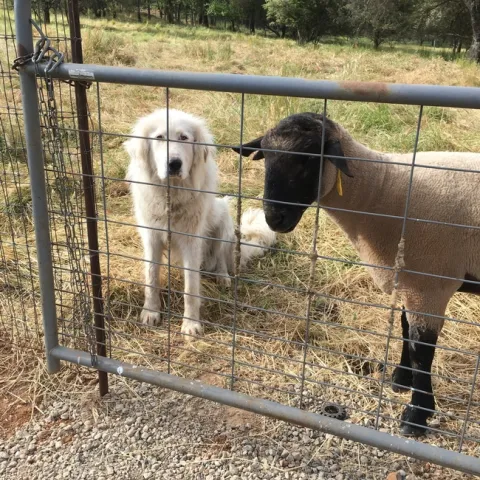
Now that our Pyrenees x Akbash "puppy" Elko has nearly reached full-size, I have difficulty remembering he's still a puppy - a 120-pound puppy, but a puppy nonetheless. There are signs, however, that his brain is catching up with his body! Here are a few updates and observations.
View Article
Primary Image
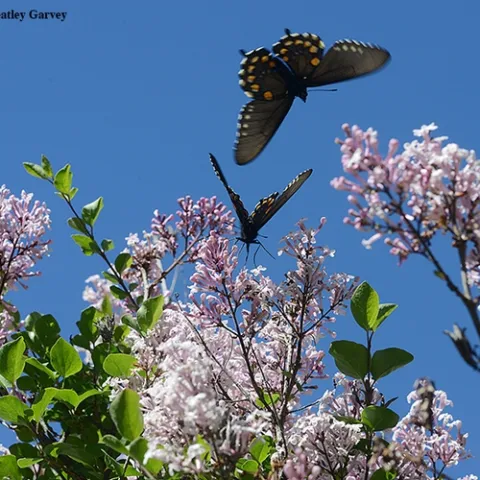
Pipevine swallowtails at the UC Davis Arboretum. (Photo by Kathy Keatley Garvey)
Bug Squad: Article

It's Pollinator Discovery Day Sunday at UC Davis

May 18, 2018
By Kathy Keatley Garvey
Meet the pollinators, And meet the UC Davis researchers, UC Master Gardeners, students and community members who study them or promote them. That's what's planned on Sunday, May 20 at an event sponsored by the UC Davis Arboretum and Public Garden and the UC Master Gardeners from 1 to 4 p.m.
View Article
Stanislaus County: Article

Evapotranspiration Report - 5/17/2018

May 18, 2018
Hello all, Please find the attached document to provide the previous weeks estimated water use report in terms of evapotranspiration for almonds, peaches, walnuts, established vineyard, alfalfa and pasture in Stanislaus County.
View Article
Primary Image
Flanders poppies in the wild
The Backyard Gardener: Article

Remembrance Poppies - Papaver rhoeas

May 18, 2018
How red poppies became associated with fallen soldiers: John McCrae was born in Canada in 1872 and was a successful poet, physician, artist, and author. He served in the Boar War (1899-1902) and quickly became disillusioned about the cost of war in human lives.
View Article
Primary Image
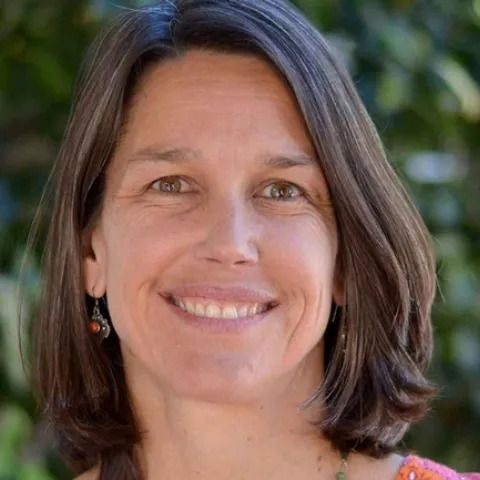
Jennifer Sowerwine.
ANR News Blog: Article

Bay Area program provides urban ag jobs to ex-offenders

May 18, 2018
By Jeannette Warnert
The East Oakland non-profit organization Planting Justice hires former inmates, many from San Quentin, and pays them a family sustaining wage to work on urban farms, orchards and nurseries, and offer environmental education, reported Patti Brown in the New York Times.
View Article
UCCE in Santa Barbara County: Article

Fire-Wise Landscaping

May 18, 2018
Speakers: Michelle Silva, UC Master Gardener Ann Marx, Fire Inspector, City of Santa Barbara...
View Article
Glenn County: Article

California Dairy Newsletter - May 2018

May 18, 2018
In this issue: Next Generation of Carbon Management .....1 Reducing Antimicrobial Resistance in Waste Milk .....2 Heifer Operation Regulation .....3 Gene Editing for Polled Trait into Elite Germplasm .....4 Dairy Needs Assessment Results .....7 Tips for a Successful Sorghum Crop .....
View Article