A Natural Solution for California's Herds: African Catfish Peptides

California's cattle producers and agricultural communities are all too familiar with the rising challenge of antibiotic resistance, making common bacterial infections harder to treat in livestock. But imagine a future where we could tackle these infections with a natural, powerful alternative. Our research points to just that: antimicrobial peptides (AMPs) found in African catfish.

We're really excited about these peptides because African catfish thrive in pathogen-rich freshwater, naturally producing these robust immune compounds in their skin mucus as a defense. This natural origin makes them highly appealing alternatives to synthetic drugs.

Predicted Safety and Potent Action

One of the most compelling aspects of these AMPs is their predicted safety for mammals. Our initial computer analyses suggest that various catfish AMPs are generally recognized as safe (GRAS). We predict they'll be absorbed in the human intestine without causing liver, brain, or heart toxicity. Furthermore, lab tests on a promising peptide, NACAP-II, confirmed it was non-hemolytic, meaning it didn't damage rabbit red blood cells—a strong indicator of its potential safety for mammalian cells.

Beyond safety, these peptides demonstrate effectiveness against problematic bacteria. One study revealed NACAP-II's strong activity against Extended-Spectrum Beta-Lactamase (ESBL)-producing Escherichia coli—a critical concern for both animal and human health due to its resistance to many common antibiotics. Another peptide, ACAP-IV, also showed antibacterial activity against E. coli and Staphylococcus aureus. We believe these AMPs work by directly disrupting bacterial cell membranes, a mechanism that makes it harder for bacteria to develop resistance compared to how they resist traditional antibiotics.

Primary Image
Lenya Quinn-Davidson, the UC Cooperative Extension area farm advisor who serves Humboldt, Siskiyou, Trinity and Mendocino counties. (Photo: Larry Luckham)
ANR News Blog: Article

Utility to turn off power when fire risk is high

March 26, 2018
By Jeannette Warnert
During periods of "extreme fire conditions," PG&E will shut off electric power lines to prevent wildfires, reported Dale Kasler in the Sacramento Bee. The reporter spoke to Lenya Quinn-Davidson, UC Cooperative Extension area fire advisor in Northern California, about the utility's proposed actions.
View Article
A Garden Runs Through It - UCCE Master Gardeners of Colusa County: Article

Tree of Heaven

March 26, 2018
By Gerry Hernandez
Tree-of heaven is an invasive weed. A tree of heaven it is not! It was initially valued as an urban street tree and was widely planted in the United States particularly around the Baltimore and Washington D.C. area. Tree-of heaven can reach heights of 80 feet and grow to 3 feet in diameter.
View Article
Primary Image
Color Run
UC CalFresh Tulare in Action!: Article

Healthiest Run on the Planet!

March 26, 2018
UCCE joined Woodlake's 3rd MyPlate 3K Color Run to promote healthy eating and physical activity! This event had over 200 participants including parents! UCCE CalFresh educated the participants to rethink their drink and consume more water.
View Article
Primary Image
B.

Easter Egg Hunt

March 26, 2018
By Anne E Schellman
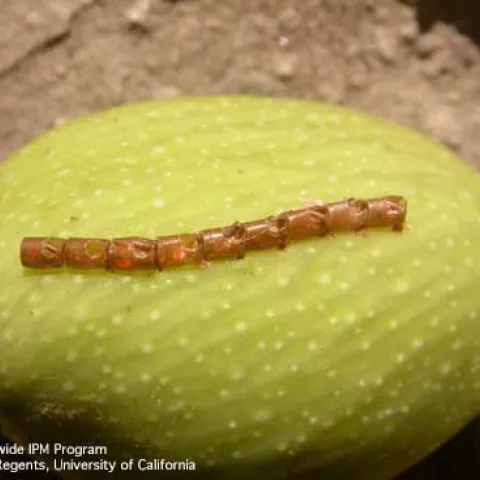
Easter often brings to mind colorful eggs hiding in the landscape for children to find. At UC IPM, we thought you'd want to know about eggs already hiding in your yard: insect and spider eggs! Many insects and spiders have strangely shaped and colorful eggs that you may have never noticed.
View Article
Blog - Forest Research and Outreach : Article

UC scientist analyzes coyote stomach contents to study diet

March 26, 2018
By Susan D Kocher
Reposted from the UCANR News Shoes with rubber soles, western cottontail rabbits, birds, avocados, oranges, peaches, candy wrappers and fast-food cartons were among the contents that UC Cooperative Extension human-wildlife interactions advisor Niamh Quinn has found inside the stomachs of urban coyot...
View Article
Article

Hispanics in the US Fast Facts

March 26, 2018
By Basilisa M Rawleigh
Here's a look at the Hispanic population in the United States. Facts: The Census Bureau describes Hispanic or Latino ethnicity as "a person of Cuban, Mexican, Puerto Rican, South or Central American, or other Spanish culture or origin regardless of race.
View Article
Primary Image
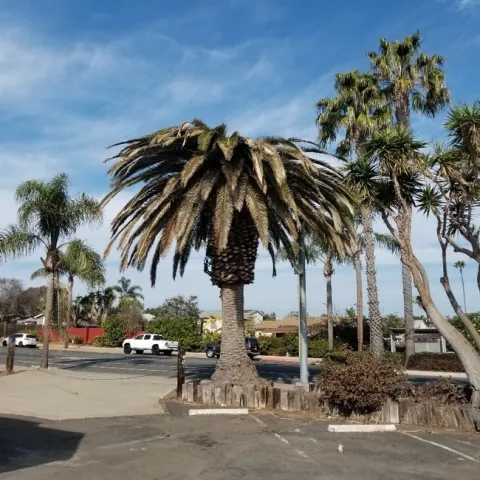
palm weevil damage
Topics in Subtropics: Article

Palm Weevil Threat to Palm Trees

March 26, 2018
By Ben A Faber
Date growers in the California deserts have many insects to worry about such as carob moth, hibiscus mealybug, and giant palm borer. Now the industry is under threat from another potential pest, the highly damaging and invasive South American palm weevil (SAPW) (Rhynchophorus palmarum).
View Article
Primary Image
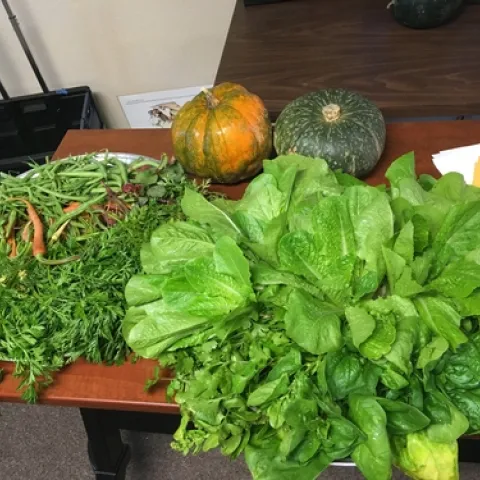
harvest plate
UC CalFresh Fresno/Madera Counties: Article

Garden to Table at Rescue the Children

March 26, 2018
By Nancy R Zumkeller
First harvest is always an exciting time when gardening, but this first harvest proved to be extra special for a group of women and their children at Fresno Rescue Mission's Rescue the Children residential treatment program.
View Article
Primary Image
Ficus benjamina
HOrT COCO-UC Master Gardener Program of Contra Costa: Article

Another Try: Ficus benjamina vs. Mealybugs!

March 26, 2018
Advice for the Home Gardener from the Help Desk of the UC Master Gardener Program of Contra Costa County Client's Request: We have been having an issue with our Ficus benjamina for several months. It has been getting increasingly worse. It has mealy bugs. They are on the leaves and branches.
View Article