A Natural Solution for California's Herds: African Catfish Peptides

California's cattle producers and agricultural communities are all too familiar with the rising challenge of antibiotic resistance, making common bacterial infections harder to treat in livestock. But imagine a future where we could tackle these infections with a natural, powerful alternative. Our research points to just that: antimicrobial peptides (AMPs) found in African catfish.

We're really excited about these peptides because African catfish thrive in pathogen-rich freshwater, naturally producing these robust immune compounds in their skin mucus as a defense. This natural origin makes them highly appealing alternatives to synthetic drugs.

Predicted Safety and Potent Action

One of the most compelling aspects of these AMPs is their predicted safety for mammals. Our initial computer analyses suggest that various catfish AMPs are generally recognized as safe (GRAS). We predict they'll be absorbed in the human intestine without causing liver, brain, or heart toxicity. Furthermore, lab tests on a promising peptide, NACAP-II, confirmed it was non-hemolytic, meaning it didn't damage rabbit red blood cells—a strong indicator of its potential safety for mammalian cells.

Beyond safety, these peptides demonstrate effectiveness against problematic bacteria. One study revealed NACAP-II's strong activity against Extended-Spectrum Beta-Lactamase (ESBL)-producing Escherichia coli—a critical concern for both animal and human health due to its resistance to many common antibiotics. Another peptide, ACAP-IV, also showed antibacterial activity against E. coli and Staphylococcus aureus. We believe these AMPs work by directly disrupting bacterial cell membranes, a mechanism that makes it harder for bacteria to develop resistance compared to how they resist traditional antibiotics.
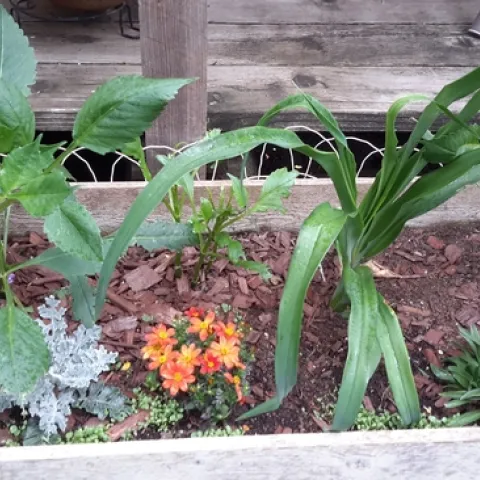
Moons and Blooms

March 20, 2018
I really enjoy the moon when it is full. This year, we have several unique things happening with the moon. In January, we had the full moon eclipse. I made sure to set the clock and get up early to see the eclipse.
View Article
Primary Image
google-chrome-logo
San Joaquin County 4-H: Article

Learn Computer Science Directly from Google!

March 19, 2018
You don't want to miss how to learn to implement a 4-H/Google Computer Science Pathway Program in your 4-H program! Saturday, April 7th, 2018, 9:00 am to 4:00 pm Training will be held @Googleplex, Mountain View, CA Register before March 23rd @ ucanr.
View Article
Article

Social Media Use in 2018

March 19, 2018
By Basilisa M Rawleigh
A majority of Americans use Facebook and YouTube, but young adults are especially heavy users of Snapchat and Instagram. A new Pew Research Center survey of U.S. adults finds that the social media landscape in early 2018 is defined by a mix of long-standing trends and newly emerging narratives.
View Article
Kern County: Article

Kern UCCE/Almond Board NMP Workshop

March 19, 2018
UCCE Kern and Almond Board NMP Field Day REVISED LOCATION DUE TO RAIN FORECAST Wednesday, March 21, 2018 8:00 am - 3:00 pm See attached for Agenda and New location (UCCE Kern Office)...
View Article
Kern County: Article

Kern UCCE/Almond Board NMP Workshop

March 19, 2018
UCCE Kern and Almond Board NMP Workshop REVISED LOCATION DUE TO RAIN FORECAST Wednesday, March 21, 2018 8:00 am - 3:00 pm See attached for Agenda and New location (UCCE Kern Office)...
View Article
Primary Image
DRAAWP logo
UC Weed Science (weed control, management, ecology, and minutia): Article

DRAAWP Aquatic Weed Control Project showing progress in reducing aquatic weeds and their costs

March 19, 2018
By Guy Kyser
The USDA-Agricultural Research Service (ARS)-funded Delta Region Areawide Aquatic Weed Project (DRAAWP) is reporting progress in reducing aquatic weed coverage in the Delta through the development and use of new control technologies and models, while reducing control costs for stakeholders.
View Article
Primary Image
A honey bee foraging on mustard on Sunday, March 18 in Vacaville, Calif. (Photo by Kathy Keatley Garvey)
Bug Squad: Article

Rolling in the Mustard

March 19, 2018
By Kathy Keatley Garvey
A sure sign of spring: honey bees foraging on mustard. You'll see mustard growing as cover crops in the Napa Valley and Sonoma Valley vineyards, but you'll also see it gracing the hillsides, roadways and area gardens. It's a time when the yellow pollen dusts the bees from head to thorax to abdomen.
View Article