A Natural Solution for California's Herds: African Catfish Peptides

California's cattle producers and agricultural communities are all too familiar with the rising challenge of antibiotic resistance, making common bacterial infections harder to treat in livestock. But imagine a future where we could tackle these infections with a natural, powerful alternative. Our research points to just that: antimicrobial peptides (AMPs) found in African catfish.

We're really excited about these peptides because African catfish thrive in pathogen-rich freshwater, naturally producing these robust immune compounds in their skin mucus as a defense. This natural origin makes them highly appealing alternatives to synthetic drugs.

Predicted Safety and Potent Action

One of the most compelling aspects of these AMPs is their predicted safety for mammals. Our initial computer analyses suggest that various catfish AMPs are generally recognized as safe (GRAS). We predict they'll be absorbed in the human intestine without causing liver, brain, or heart toxicity. Furthermore, lab tests on a promising peptide, NACAP-II, confirmed it was non-hemolytic, meaning it didn't damage rabbit red blood cells—a strong indicator of its potential safety for mammalian cells.

Beyond safety, these peptides demonstrate effectiveness against problematic bacteria. One study revealed NACAP-II's strong activity against Extended-Spectrum Beta-Lactamase (ESBL)-producing Escherichia coli—a critical concern for both animal and human health due to its resistance to many common antibiotics. Another peptide, ACAP-IV, also showed antibacterial activity against E. coli and Staphylococcus aureus. We believe these AMPs work by directly disrupting bacterial cell membranes, a mechanism that makes it harder for bacteria to develop resistance compared to how they resist traditional antibiotics.
Primary Image
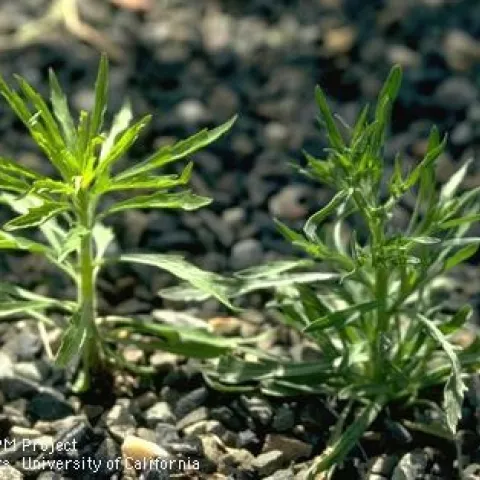
avocado salt burn
Topics in Subtropics: Article

Salts and Water

March 11, 2013
By Ben A Faber
Saline Waters - A Growing Problem Ben Faber Irrigated agriculture must always contend with salts, but two years without rain and a dry winter forecast, salt is an even more important issue. We rely on winter rainfall to leach the salts from root zones that have accumulated from previous irrigations.
View Article
Topics in Subtropics: Article

New Avocado Manual

March 8, 2013
By Ben A Faber
The Avocado: Botany, Production and Uses, 2nd Edition By Bruce Shaffer, Nigel Wolstenholme and Anthony Whiley This brand new book summarizes avocado science and technology and reviews production practices on a worldwide scale.
View Article
Primary Image
The queen and her court. (Photo by Kathy Keatley Garvey)
Bug Squad: Article

The Spirit of the Hive

March 7, 2013
By Kathy Keatley Garvey
The Spirit of the Hive: The Mechanisms of Social Evolution. That's the title of a newly published book written by Robert E. Page Jr., one of the world's foremost honey bee geneticists.
View Article
Primary Image
Honey bee foraging on plum blossoms. (Photo by Kathy Keatley Garvey)

Bee-utiful Blossoms

March 6, 2013
By Kathy Keatley Garvey
If you haven't made it over to the Hagen-Dazs Honey Bee Haven on Bee Biology Road, UC Davis, yet this year, you should. The trees that form "Orchard Alley" are blooming. You'll see almonds and plums flowering, and soon, apples. Really spectacular are the delicate plum blossoms.
View Article
Primary Image
A lady beetle, aka ladybug, prowling on a fava bean leaf. (Photo by Kathy Keatley Garvey)

Favoring the Fava Beans

March 5, 2013
By Kathy Keatley Garvey
People aren't the only ones favoring fava beans. Fava beans growing in a raised bed in the Hagen-Dazs Honey Bee Haven on Bee Biology Road, UC Davis, are attracting honey bees, European paper wasps, lacewings, ladybugs, aphids and carpenter bees.
View Article
Primary Image
Jumping spider on a petunia. (Photo by Kathy Keatley Garvey)

Jump!

March 4, 2013
By Kathy Keatley Garvey
There's a good reason why jumping spiders are named "jumping spiders." They jump. A jumping spider, according to National Geographic, can jump 50 times its body length. We saw this jumping spider (family, Salticidae and probably genus Phidippus) in our flower bed last weekend.
View Article