A Natural Solution for California's Herds: African Catfish Peptides

California's cattle producers and agricultural communities are all too familiar with the rising challenge of antibiotic resistance, making common bacterial infections harder to treat in livestock. But imagine a future where we could tackle these infections with a natural, powerful alternative. Our research points to just that: antimicrobial peptides (AMPs) found in African catfish.

We're really excited about these peptides because African catfish thrive in pathogen-rich freshwater, naturally producing these robust immune compounds in their skin mucus as a defense. This natural origin makes them highly appealing alternatives to synthetic drugs.

Predicted Safety and Potent Action

One of the most compelling aspects of these AMPs is their predicted safety for mammals. Our initial computer analyses suggest that various catfish AMPs are generally recognized as safe (GRAS). We predict they'll be absorbed in the human intestine without causing liver, brain, or heart toxicity. Furthermore, lab tests on a promising peptide, NACAP-II, confirmed it was non-hemolytic, meaning it didn't damage rabbit red blood cells—a strong indicator of its potential safety for mammalian cells.

Beyond safety, these peptides demonstrate effectiveness against problematic bacteria. One study revealed NACAP-II's strong activity against Extended-Spectrum Beta-Lactamase (ESBL)-producing Escherichia coli—a critical concern for both animal and human health due to its resistance to many common antibiotics. Another peptide, ACAP-IV, also showed antibacterial activity against E. coli and Staphylococcus aureus. We believe these AMPs work by directly disrupting bacterial cell membranes, a mechanism that makes it harder for bacteria to develop resistance compared to how they resist traditional antibiotics.
Primary Image
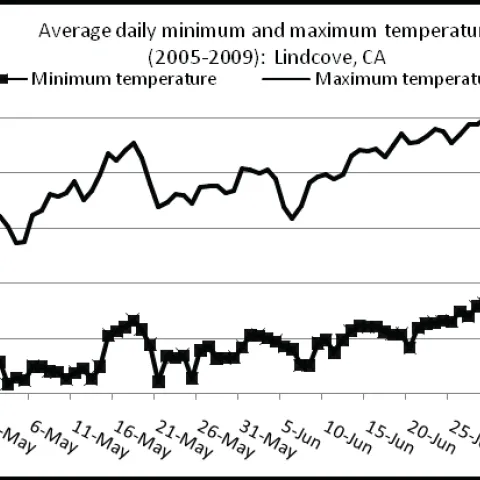
Average minimum and maximum temperatures recorded in Lindcove, CA from 2005-2009. Data was collected from California Irrigation management Information System (CIMIS).

Chemical Thinning of Olives

January 26, 2012
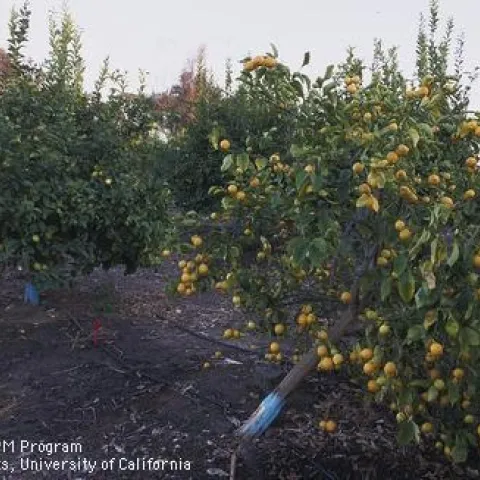
The light 2011 olive crop may result in a heavy crop load in 2012. With the prospect of a heavy crop load, it may be wise to consider thinning to reduce fruit quantity and increase fruit size. Management of fruit size may be achieved by pruning and/or chemical thinning.
View Article
Primary Image
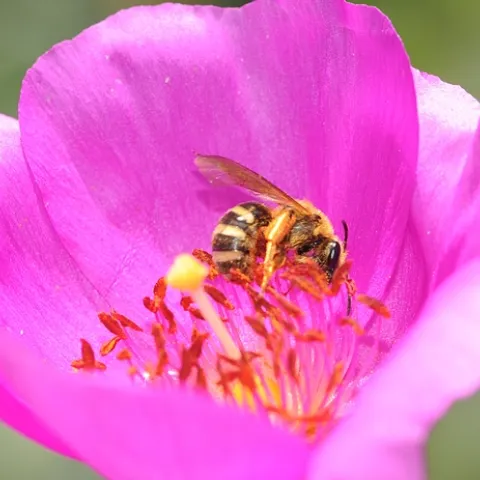
Female sweat bee in the genus Lasioglossum, on a rock purslane. (Photo by Kathy Keatley Garvey)
Bug Squad: Article

What Governs the Quality of Pollen?

January 25, 2012
By Kathy Keatley Garvey
If you're interested in pollen and pollinators, you'll want to attend the UC Davis Department of Entomology seminar at 12:10 p.m., Wednesday, Feb. 1 in 122 Briggs Hall.
View Article
Primary Image
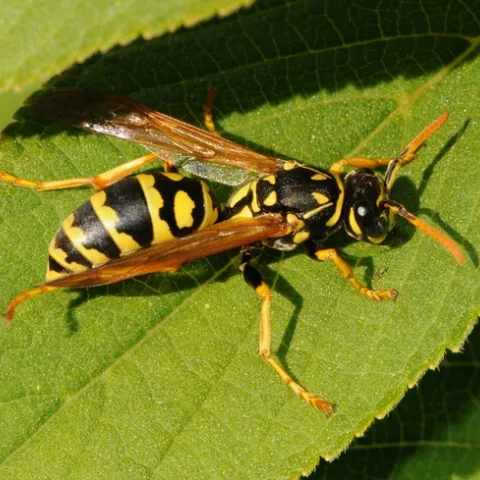
European paper wasp (Polistes dominulus. (Photo by Kathy Keatley Garvey)
Bug Squad: Article

How Wasps Select Their Mates

January 24, 2012
By Kathy Keatley Garvey
If you've been lying awake at night wondering how European paper wasps select their mates--or if you're just naturally curious--you'll want to attend Amanda "Mandy" Izzo's seminar at 12:10 p.m.., Friday, Jan. 27 in 6 Olson Hall, UC Davis.
View Article
Primary Image
Tree collapse due to Dry Root Rot.

Dry Root Rot of Citrus

January 24, 2012
Introduction Dry Root Rot has menaced growers in Ventura County for many years. In the 50's and 60's it seemed most prevalent on older orange trees. A few years after the wet winter of 1968- 69, dry root rot became an increasing problem among citrus trees of all ages.
View Article
Primary Image
Pollination ecologist Neal Williams, assistant professor of entomology at UC Davis, will be one of the featured speakers at the International Symposium on Pollinator Conservation. (Photo by Kathy Keatley Garvey)

The Pollinator Punch at the International Level

January 23, 2012
By Kathy Keatley Garvey
It's off to Japan to talk about bumble bees and other pollinators. Pollination ecologist Neal Williams, assistant professor of entomology at UC Davis, will be one of the featured speakers at the International Symposium on Pollinator Conservation, to be held Jan. 27-29 in Fukuoka, Japan.
View Article
Primary Image
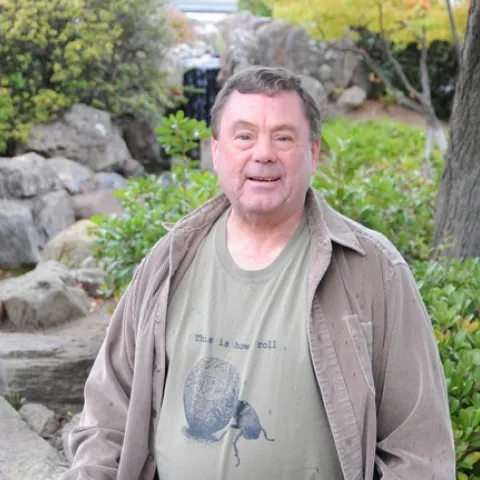
Newly elected president of the Nor-Cal Entomology Society is Robert "Bob" Case of Concord. (Photo by Kathy Keatley Garvey)

Bugs for All, All for Bugs

January 20, 2012
By Kathy Keatley Garvey
No matter what insect you're interested in, you can usually find your favorite topic at one of the Northern California Entomology Society meetings. The group meets three times a year: once in Sacramento, once at UC Davis and once at Concord. Dues? $10 a year.
View Article
UC Weed Science (weed control, management, ecology, and minutia): Article

U.S. judge OKs alfalfa strain made by Monsanto Co.

January 20, 2012
By Gale Perez
[The Chronicle 07 jan, 2012 by Bob Egelko] -- A federal U.S. judge has upheld the government's decision to let the nation's alfalfa growers plant the genetically engineered, herbicide-resistant strain manufactured by Monsanto Co.
View Article
Primary Image
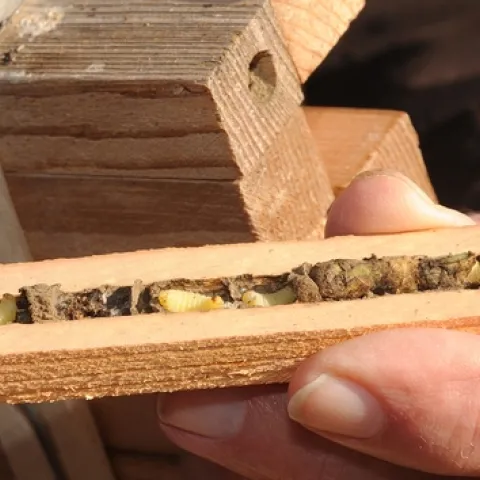
Bee condo for leafcutting bees includes the offspring (left) of a solitary mason wasp. (Photo by Kathy Keatley Garvey)

Snug as a Bug in a...Bee Condo

January 19, 2012
By Kathy Keatley Garvey
When you try to attract leafcutting bees (Megachile spp.) to your bee condos, you may also attract something else. Wasps. Bee condos (wood blocks drilled with holes for native bee nests) are a favorite of gardeners and bee enthusiasts.
View Article