A Natural Solution for California's Herds: African Catfish Peptides

California's cattle producers and agricultural communities are all too familiar with the rising challenge of antibiotic resistance, making common bacterial infections harder to treat in livestock. But imagine a future where we could tackle these infections with a natural, powerful alternative. Our research points to just that: antimicrobial peptides (AMPs) found in African catfish.

We're really excited about these peptides because African catfish thrive in pathogen-rich freshwater, naturally producing these robust immune compounds in their skin mucus as a defense. This natural origin makes them highly appealing alternatives to synthetic drugs.

Predicted Safety and Potent Action

One of the most compelling aspects of these AMPs is their predicted safety for mammals. Our initial computer analyses suggest that various catfish AMPs are generally recognized as safe (GRAS). We predict they'll be absorbed in the human intestine without causing liver, brain, or heart toxicity. Furthermore, lab tests on a promising peptide, NACAP-II, confirmed it was non-hemolytic, meaning it didn't damage rabbit red blood cells—a strong indicator of its potential safety for mammalian cells.

Beyond safety, these peptides demonstrate effectiveness against problematic bacteria. One study revealed NACAP-II's strong activity against Extended-Spectrum Beta-Lactamase (ESBL)-producing Escherichia coli—a critical concern for both animal and human health due to its resistance to many common antibiotics. Another peptide, ACAP-IV, also showed antibacterial activity against E. coli and Staphylococcus aureus. We believe these AMPs work by directly disrupting bacterial cell membranes, a mechanism that makes it harder for bacteria to develop resistance compared to how they resist traditional antibiotics.
Primary Image
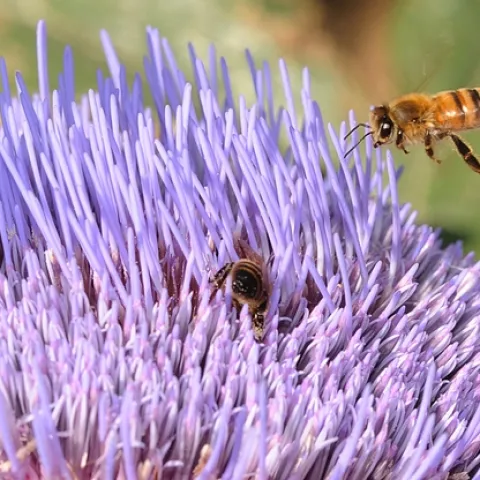
Honey bee heads for flowering artichoke in the Haagen-Dazs Honey Bee Haven at UC Davis. Photo by Kathy Keatley Garvey)

Let the Artichokes Flower

June 14, 2011
By Kathy Keatley Garvey
To attract honey bees to your garden, it's a good idea to let the artichokes flower. Sure, you could pick them for your dinner, but you'd be depriving honey bees of theirs. At the Hagen-Dazs Honey Bee Haven at UC Davis, the artichokes are beginning to flower.
View Article
Primary Image
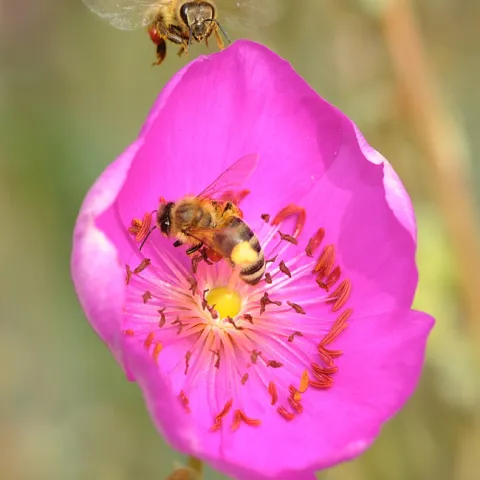
Pollen-packing honey bee heads toward a rock purslane blossom, already occupied by another worker. (Photo by Kathy Keatley Garvey)

In the Pink

June 13, 2011
By Kathy Keatley Garvey
Honey bees in the pink? Yes. If you plant rock purslane (Calandrinia grandiflora), a perennial succulent, be prepared for a posse of honey bees.
View Article
UC Weed Science (weed control, management, ecology, and minutia): Article

Weed-free compost article from WSSA

June 12, 2011
By Brad Hanson
Article reposted from the Weed Science Society of America (WSSA) website. The pdf version of the article is attached at the bottom of the post. Take care, Brad http://www.wssa.net/index.htm http://www.wssa.net/WSSA/PressRoom/WSSA_Compost_WeedFree.
View Article
Primary Image
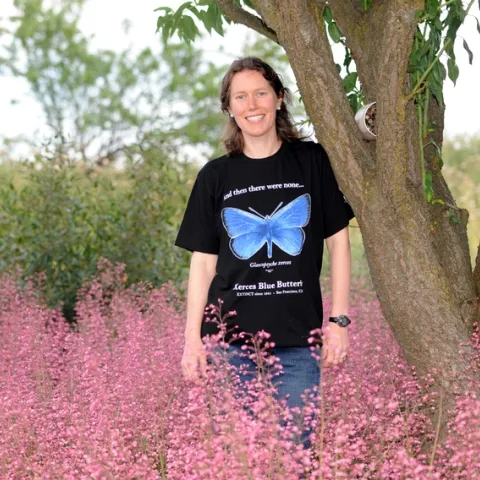
Tabatha Yang, outreach and education coordinator at the Bohart Museum, wearing a Xerces Blue Butterfly shirt. (Photo by Kathy Keatley Garvey)

And Then There Were None

June 10, 2011
By Kathy Keatley Garvey
The Bohart Museum of Entomology has five. Nature has none. Zip. Zero. Zilch. The Xerces Blue Butterfly, which once thrived on the San Francisco Peninsula before urbanization chased it away, is extinct. There are no more.
View Article
Primary Image
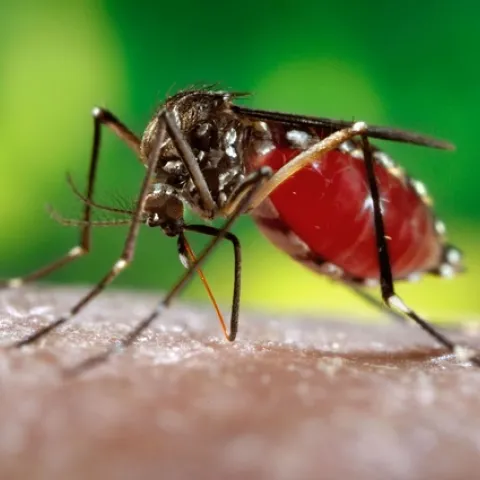
Aedes aegypti transmits dengue. (Photo courtesy of James Gathany, Centers for Disease Control and Prevention).

Zeroing in on Dengue

June 9, 2011
By Kathy Keatley Garvey
Deep in the heart of the Amazon forest, the dengue mosquito, Aedes aegpti, is on the prowl. So are researchers from the Thomas Scott lab at UC Davis.
View Article
UC Weed Science (weed control, management, ecology, and minutia): Article

Writeup on Roundup Ready canola as a roadside weed

June 9, 2011
By Brad Hanson
There is a lot of information out there! While looking for something else, I ran across a Western Farm Press article from last fall about Roundup Ready canola growing on roadsides etc. I've heard Doug Munier talk about this issue and I'm sure many of you have too.
View Article
Primary Image
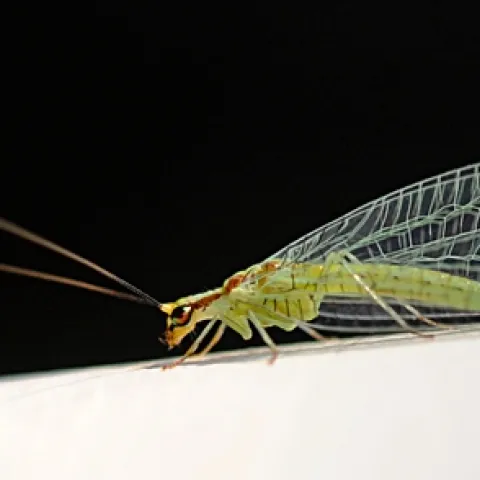
Copper eyes of a green lacewing glow in the late afternoon sun. (Photo by Kathy Keatley Garvey)

Chantilly Lace...

June 8, 2011
By Kathy Keatley Garvey
"Chantilly lace, have a pretty face..." When Jerry Lee Lewis belted out those lyrics in his No. 1 hit, "Chantilly Lace," back in 1972, he wasn't thinking of a green lacewing. Perhaps he should have been.
View Article
Primary Image
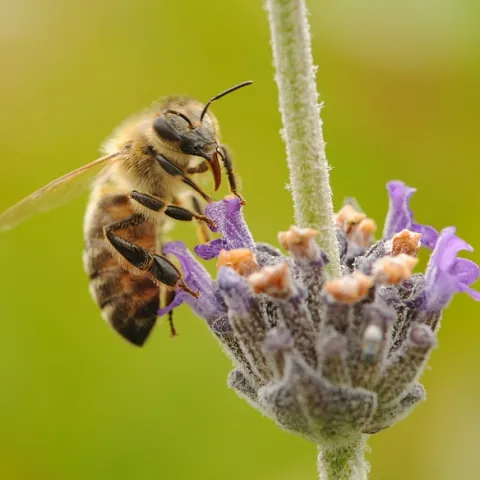
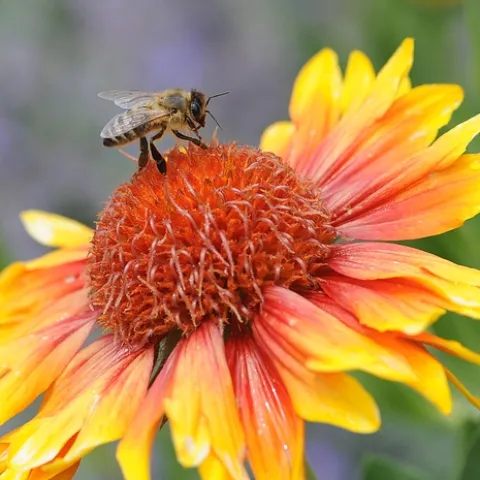
Honey bee nectaring on Gaillardia at Haagen-Dazs Honey Bee Haven, UC Davis. (Photo by Kathy Keatley Garvey)

Color It Bright

June 6, 2011
By Kathy Keatley Garvey
Don't forget your sunglasses if you're heading over to the Hagen-Dazs Honey Bee Haven, a half-acre bee-friendly demonstration garden at the Harry H. Laidlaw Jr. Honey Bee Research Facility on Bee Biology Road, UC Davis. That's because the Gaillardia is stunningly bright and beautiful.
View Article