A Natural Solution for California's Herds: African Catfish Peptides

California's cattle producers and agricultural communities are all too familiar with the rising challenge of antibiotic resistance, making common bacterial infections harder to treat in livestock. But imagine a future where we could tackle these infections with a natural, powerful alternative. Our research points to just that: antimicrobial peptides (AMPs) found in African catfish.

We're really excited about these peptides because African catfish thrive in pathogen-rich freshwater, naturally producing these robust immune compounds in their skin mucus as a defense. This natural origin makes them highly appealing alternatives to synthetic drugs.

Predicted Safety and Potent Action

One of the most compelling aspects of these AMPs is their predicted safety for mammals. Our initial computer analyses suggest that various catfish AMPs are generally recognized as safe (GRAS). We predict they'll be absorbed in the human intestine without causing liver, brain, or heart toxicity. Furthermore, lab tests on a promising peptide, NACAP-II, confirmed it was non-hemolytic, meaning it didn't damage rabbit red blood cells—a strong indicator of its potential safety for mammalian cells.

Beyond safety, these peptides demonstrate effectiveness against problematic bacteria. One study revealed NACAP-II's strong activity against Extended-Spectrum Beta-Lactamase (ESBL)-producing Escherichia coli—a critical concern for both animal and human health due to its resistance to many common antibiotics. Another peptide, ACAP-IV, also showed antibacterial activity against E. coli and Staphylococcus aureus. We believe these AMPs work by directly disrupting bacterial cell membranes, a mechanism that makes it harder for bacteria to develop resistance compared to how they resist traditional antibiotics.
Primary Image
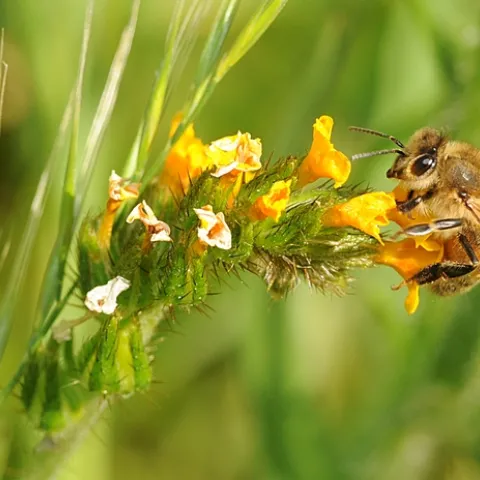
Honey bee settles on a fiddleneck. (Photo by Kathy Keatley Garvey)
Bug Squad: Article

Fiddle De-Dee!

April 25, 2011
By Kathy Keatley Garvey
Nero may have fiddled while Rome burned, but the honey bees just kept on working. We recently visited an apiary in Glenn County, and the honey bees were all over the fiddlenecks in patches adjacent to the hives. A springtime scene of golden flowers and buzzing bees. An artist's dream...
View Article
UC Weed Science (weed control, management, ecology, and minutia): Article

Article on escaped ornamentals as invasive weeds

April 25, 2011
By Brad Hanson
We commonly select for specific weeds in agricultural systems because of the neccessary managment practices. Cultivation, fertilization, irrigation, weed management, etc all can affect the weeds in a given field.
View Article
Primary Image
Border
UC Rice Blog: Article

Scouting for rice water weevil

April 22, 2011
By Luis Espino
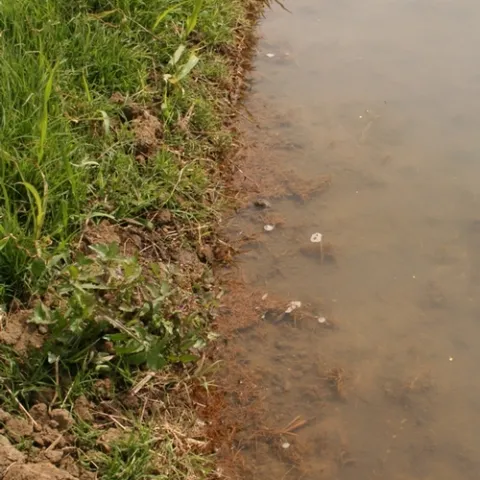
I was looking for weevils today, so I visited a field with a history of weevil problems. The field was seeded 3 days ago, and there were no plants (rice or weeds) in the field yet. Levees were clean, the borders were weedy.
View Article
Primary Image
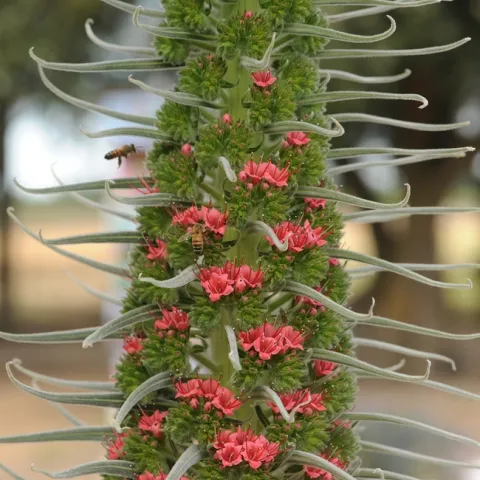
Honey bee heads for the tower of jewels (Echium wildpretii). There are two bees in this photo. (Photo by Kathy Keatley Garvey)
Bug Squad: Article

Bee-Hold the Tower of Jewels

April 22, 2011
By Kathy Keatley Garvey
It's worth the wait. The two towers of jewels (Echium wildpretti) are blooming in the Hagen-Dazs Honey Bee Haven, the half-acre bee friendly garden next to the Harry H. Laidlaw Jr. Honey Bee Research Facility, UC Davis. The plant is a biennual and it blooms the second year and that's it.
View Article
Primary Image
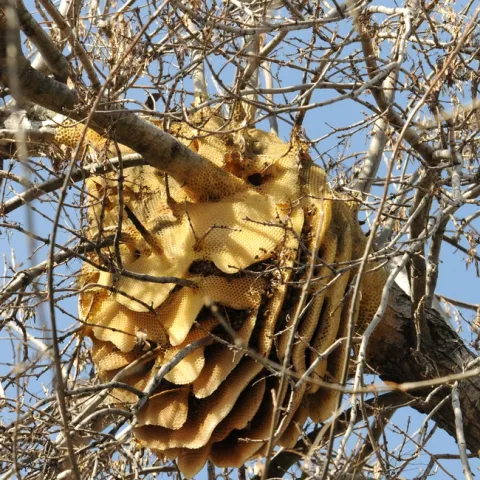
Feral honey bee colony in Vacaville, Calif. (Copyrighted. All Rights Reserved: Photo by Kathy Keatley Garvey)
Bug Squad: Article

Bee-utiful Feral Honey Bee Hive

April 21, 2011
By Kathy Keatley Garvey
It's spectacular. It's awe-inspiring. It's a work of art. And it's home to a feral honey bee colony in Vacaville. A Vacaville resident contacted us awhile back about a feral honey bee hive built 30 feet off the ground in a Modesto ash tree.
View Article
UC Weed Science (weed control, management, ecology, and minutia): Article

Registration open for Weed Day 2011

April 21, 2011
By Gale Perez
Register for Weed Day 2011 July 14, 2011 :: UC Davis (Visit http://wric.ucdavis.edu and click on Weed Day) Be a Weed Day sponsor (click here.) UC Weed Research & Information Center (WeedRIC) :: Phone: (530) 752-1748 :: Fax: (530) 752-4604 :: http://wric.ucdavis.
View Article
Primary Image
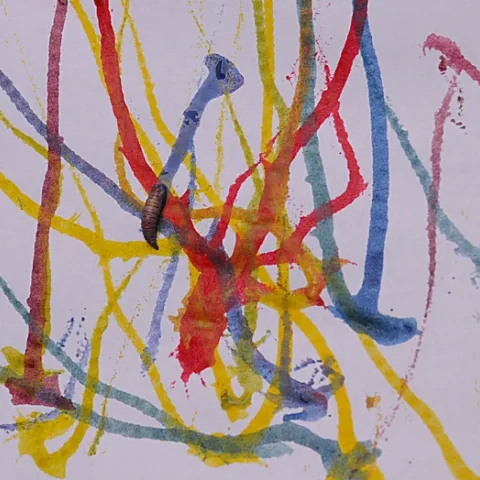
This work, Maggot Art, is by entomologist/artist Diane Ullman. (Photo by Kathy Keatley Garvey)
Bug Squad: Article

There's Something About Maggots...

April 20, 2011
By Kathy Keatley Garvey
There's something about maggots that non-forensic entomologists don't like. "Those are the larvae of a fly," a mother told her inquiring daughter last Saturday at the Maggot Art table at Briggs Hall, UC Davis campus. The occasion: the 97th annual UC Davis Picnic Day.
View Article
UC Weed Science (weed control, management, ecology, and minutia): Article

Olive orchard weed control

April 20, 2011
By Brad Hanson
Yesterday, I attended the Southern San Joaquin Valley Olive Day organized by UC Cooperative Extension orchard systems farm advisor, Elizabeth Fichtner (UCCE Tulare Co).
View Article
Primary Image
Andrena bee on meadowfoam. (Photo by Kathy Keatley Garvey
Bug Squad: Article

'Mining' for Bees

April 19, 2011
By Kathy Keatley Garvey
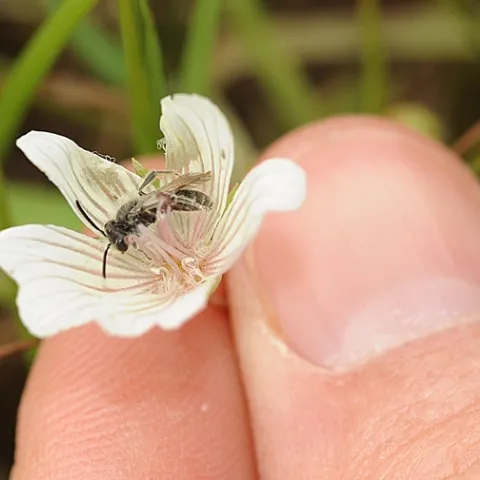
If you visit the Jepson Prairie Reserve near Vacaville-Dixon in Solano County, keep your eyes out for Andrena (mining) bees on the meadowfoam (Limnanthes). We were out there Monday morning and saw a mining bee nestled inside a white flower cup.
View Article