A Natural Solution for California's Herds: African Catfish Peptides

California's cattle producers and agricultural communities are all too familiar with the rising challenge of antibiotic resistance, making common bacterial infections harder to treat in livestock. But imagine a future where we could tackle these infections with a natural, powerful alternative. Our research points to just that: antimicrobial peptides (AMPs) found in African catfish.

We're really excited about these peptides because African catfish thrive in pathogen-rich freshwater, naturally producing these robust immune compounds in their skin mucus as a defense. This natural origin makes them highly appealing alternatives to synthetic drugs.

Predicted Safety and Potent Action

One of the most compelling aspects of these AMPs is their predicted safety for mammals. Our initial computer analyses suggest that various catfish AMPs are generally recognized as safe (GRAS). We predict they'll be absorbed in the human intestine without causing liver, brain, or heart toxicity. Furthermore, lab tests on a promising peptide, NACAP-II, confirmed it was non-hemolytic, meaning it didn't damage rabbit red blood cells—a strong indicator of its potential safety for mammalian cells.

Beyond safety, these peptides demonstrate effectiveness against problematic bacteria. One study revealed NACAP-II's strong activity against Extended-Spectrum Beta-Lactamase (ESBL)-producing Escherichia coli—a critical concern for both animal and human health due to its resistance to many common antibiotics. Another peptide, ACAP-IV, also showed antibacterial activity against E. coli and Staphylococcus aureus. We believe these AMPs work by directly disrupting bacterial cell membranes, a mechanism that makes it harder for bacteria to develop resistance compared to how they resist traditional antibiotics.

Primary Image
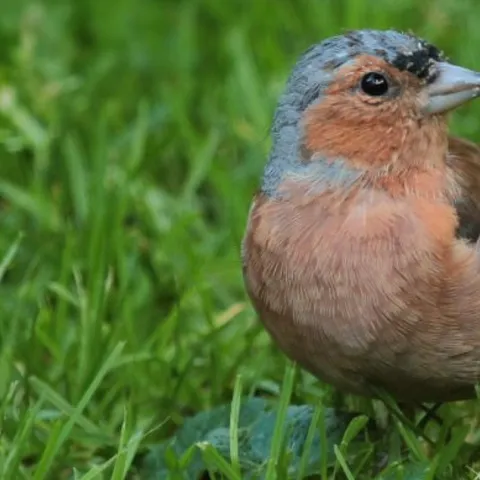
Robin in grass
Fresno Gardening Green: Article

This week in the garden: June 6 - 12

June 6, 2025
By Jeannette Warnert
June days are the longest of the year - take advantage of the extra hours in your garden.TasksCheck drip irrigation lines and emitters for leaks or clogs and adjust to provide adequate moisture.Thin fruit on stone and pome fruit trees.Spider mites can be discouraged by rinsing dust from foliage.Stake tall,…
View Article
Nutrition Policy Institute News: Article

Ditching disposables: A school district’s journey to reducing waste in cafeterias

June 5, 2025
By Celeste Felix, Danielle Lee
Most schools in the U.S., including the Fremont Unified School District, or FUSD, serve lunch on disposable trays with a plastic spork kit containing a spork, straw, and paper napkin. These single-use items present two main issues. First, they may contain harmful PFAS chemicals, also known as per- and…
View Article
Colusa County: Page

Información sobre jardinería en español

This section contains archived content made available for reference, research, or record-keeping purposes. These materials are not actively maintain and may not meet current accessibility stands, such as WCAG 2.1 Level AA. If you need assistance accessing this content or require an accessible format, please…
View Page
Stanislaus County: Article

Evapotranspiration Report - 5/29/2025

June 5, 2025
By Sandi L Gudino
Please find the attached document to provide the previous week’s estimated water use report in terms of evapotranspiration for almonds, peaches, walnuts, established vineyard, alfalfa, and pasture in Stanislaus County. This report may be used as a guide in your irrigation schedule for the…
View Article
Thrips/TSWV status in Yolo & Colusa: Article

2025 7th Report-- June 5th

June 5, 2025
By Patricia A Lazicki, Neil McRoberts
General outlook & thrips population Tomato planting is over, and with the excellent weather we have been having fields are progressing well.  Adult 3rd generation thrips are peaking, and over the next few weeks will be laying their eggs. Any thrips that acquired the virus as larvae by…
View Article
Colusa County: Article

Master Gardener Newsletter June 2025

June 5, 2025
By Karyna Barrera
In This Issue: Plant of the Month - Japanese Pieris (Pieris japonica)Activities at the Donna Critchfield Demonstration GardenRecipe of the Month - Tzatziki Cucumber and Chickpea/Garbanzo Bean Salad Gardener's Literature - When to Plant in Zone 9B by Glen ChandlerSafety Notes - Basic Pesticide Exposure…
View Article