A Natural Solution for California's Herds: African Catfish Peptides

California's cattle producers and agricultural communities are all too familiar with the rising challenge of antibiotic resistance, making common bacterial infections harder to treat in livestock. But imagine a future where we could tackle these infections with a natural, powerful alternative. Our research points to just that: antimicrobial peptides (AMPs) found in African catfish.

We're really excited about these peptides because African catfish thrive in pathogen-rich freshwater, naturally producing these robust immune compounds in their skin mucus as a defense. This natural origin makes them highly appealing alternatives to synthetic drugs.

Predicted Safety and Potent Action

One of the most compelling aspects of these AMPs is their predicted safety for mammals. Our initial computer analyses suggest that various catfish AMPs are generally recognized as safe (GRAS). We predict they'll be absorbed in the human intestine without causing liver, brain, or heart toxicity. Furthermore, lab tests on a promising peptide, NACAP-II, confirmed it was non-hemolytic, meaning it didn't damage rabbit red blood cells—a strong indicator of its potential safety for mammalian cells.

Beyond safety, these peptides demonstrate effectiveness against problematic bacteria. One study revealed NACAP-II's strong activity against Extended-Spectrum Beta-Lactamase (ESBL)-producing Escherichia coli—a critical concern for both animal and human health due to its resistance to many common antibiotics. Another peptide, ACAP-IV, also showed antibacterial activity against E. coli and Staphylococcus aureus. We believe these AMPs work by directly disrupting bacterial cell membranes, a mechanism that makes it harder for bacteria to develop resistance compared to how they resist traditional antibiotics.
Colusa County: Article

Master Gardener Newsletter December 2024

June 5, 2025
By Karyna Barrera
In This IssuePlant of the MonthActivities at the Donna Critchfield Demonstration GardenGardener's CornerPenny Pinching Tips from a Master Gardener's KitchenRecipe of the MonthGardener's TravelsSafety NotesGarden GuideOpen in Constant Contact
View Article
ANR Contracts & Grants Updates: Article

CDFA – Biologically Integrated Farming Systems (BIFS) Grant Program

June 5, 2025
By Kendra T Rose
Dear Colleagues, The California Department of Food and Agriculture’s Office of Pesticide Consultation and Analysis (OPCA) is now accepting concept proposals for its Biologically Integrated Farming Systems (BIFS) Grant Program. This program supports on-farm demonstration and evaluation of biologically…
View Article
Primary Image
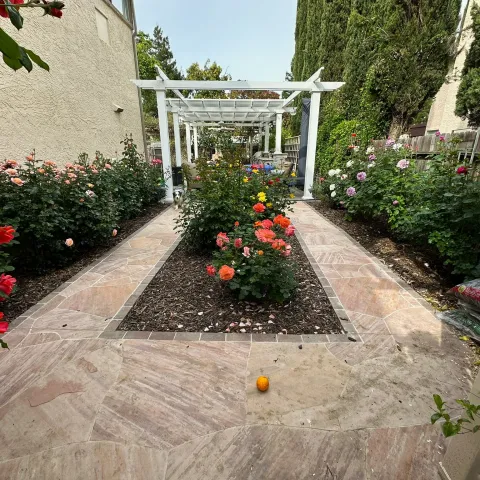
view of a new rose bed with red roses
Under the Solano Sun: Article

Time to Wrap This Up

June 5, 2025
By Jennifer M Baumbach
Blog by Melinda NestlerodeIn July of 2020 we had a huge pool removed from our backyard (see Under the Solano Sun Blog Post “New Beginnings”, August 21, 2020). The kids had grown up and moved on, and we felt that there were more productive uses for our backyard space. Naively, we believed we would have the…
View Article
Fresno County Viticulture: Article

June 2025

June 5, 2025
By Shijian Zhuang
Effect of Heat Stress on Grape Production in the San Joaquin Valley (SJV)
View Article
Primary Image
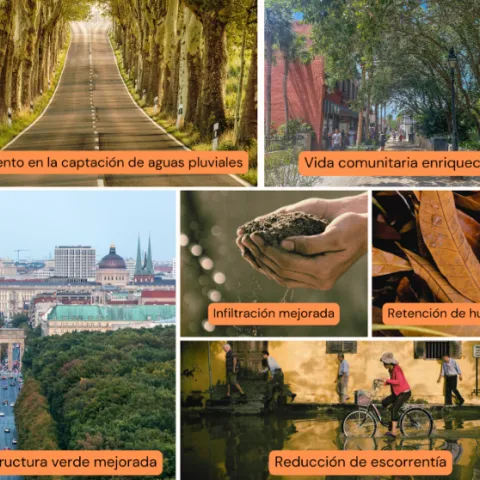
Los beneficios de los arboles urbanos
Water Supply Security (WSS): Article

Árboles Urbanos y su Papel en la Gestión de Aguas Pluviales

June 4, 2025
By Erik C Porse, Esther N Lofton
 Las copas de los árboles urbanos (UTC), es decir, las capas de hojas, ramas y tallos que cubren el suelo en las ciudades, son herramientas esenciales para gestionar las aguas pluviales, en particular en zonas urbanas densas como las del sur de California. En paisajes dominados por superficies…
View Article
Primary Image
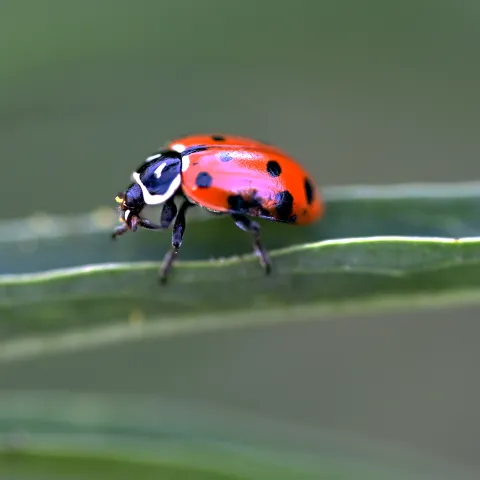
A lady beetle, aka ladybug, eating aphids. (Photo by Kathy Keatley Garvey)
Bug Squad: Article

How Much Do Lady Beetles Love Aphids?

June 4, 2025
By Kathy Keatley Garvey
 How much do lady beetles love aphids?It's love at first bite. And it amounts to some 50 bites a day.The lady beetle, commonly known as a ladybug, is a legend when it comes to its voracious appetite. It eats some 50 aphids a day--a 50-course meal--and in its lifetime, it can polish off a whopping 5000…
View Article
Article

[PODCAST] Skip the June Gloom—Start Your June Bloom!

June 4, 2025
By Loren Nelson
This Month In The Garden – June 2025Forget June Gloom! Think June Bloom! It is time for another This Month In The Garden edition for the month of June on In The Garden with UCCE Master Gardeners. Our MG hosts Teena Spindler and Katrina Kirkeby have a ton of activities to get you out in the garden during,…
View Article
Event Primary Image
[PODCAST] Skip the June Gloom—Start Your June Bloom!
UC Master Gardeners of Orange County: Event

[PODCAST] Skip the June Gloom—Start Your June Bloom!

Event Date
Jun 4, 2025

This Month In The Garden – June 2025Forget June Gloom! Think June Bloom! It is time for another This Month In The Garden edition for the month of June on In The Garden with UCCE Master Gardeners. Our MG hosts Teena Spindler and Katrina Kirkeby have a ton of activities to get you out in the garden during,…
UC Master Gardeners of Orange County
View Event
Event Primary Image
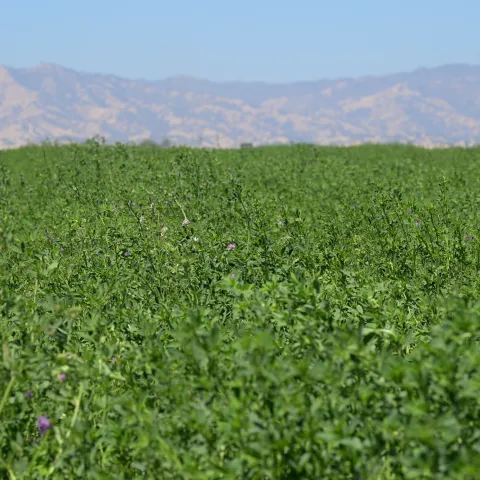
Green alfalfa field with scattered blooms of purple flowers blowing in the wind.
UC Ag Experts Talk Webinar Series: Event

Webinar: Pest Management in Alfalfa, Small Grains, and Garbanzo Beans

Event Date
Sep 24, 2025

This webinar is part of the UC Ag Experts Talk series. Dr. Michelle Leinfelder-Miles, Delta Crops Resource Management Advisor with the University of California Cooperative Extension, San Joaquin County, will discuss the principles of Integrated Pest Management and pest management in alfalfa, small grains,…
UC Ag Experts Talk Webinar Series
View Event