A Natural Solution for California's Herds: African Catfish Peptides

California's cattle producers and agricultural communities are all too familiar with the rising challenge of antibiotic resistance, making common bacterial infections harder to treat in livestock. But imagine a future where we could tackle these infections with a natural, powerful alternative. Our research points to just that: antimicrobial peptides (AMPs) found in African catfish.

We're really excited about these peptides because African catfish thrive in pathogen-rich freshwater, naturally producing these robust immune compounds in their skin mucus as a defense. This natural origin makes them highly appealing alternatives to synthetic drugs.

Predicted Safety and Potent Action

One of the most compelling aspects of these AMPs is their predicted safety for mammals. Our initial computer analyses suggest that various catfish AMPs are generally recognized as safe (GRAS). We predict they'll be absorbed in the human intestine without causing liver, brain, or heart toxicity. Furthermore, lab tests on a promising peptide, NACAP-II, confirmed it was non-hemolytic, meaning it didn't damage rabbit red blood cells—a strong indicator of its potential safety for mammalian cells.

Beyond safety, these peptides demonstrate effectiveness against problematic bacteria. One study revealed NACAP-II's strong activity against Extended-Spectrum Beta-Lactamase (ESBL)-producing Escherichia coli—a critical concern for both animal and human health due to its resistance to many common antibiotics. Another peptide, ACAP-IV, also showed antibacterial activity against E. coli and Staphylococcus aureus. We believe these AMPs work by directly disrupting bacterial cell membranes, a mechanism that makes it harder for bacteria to develop resistance compared to how they resist traditional antibiotics.
Primary Image
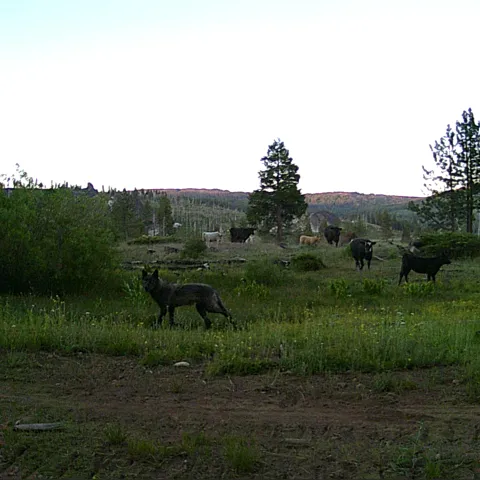
Gray wolf from the Lassen pack among a herd of cattle in July of 2022
Food Blog: Article

Study calculates cost to ranchers of an expanding wolf population

April 21, 2025
By Emily C. Dooley
Tina Saitone, a University of California, Davis, professor and Cooperative Extension specialist in livestock and rangeland economics, sought to quantify the direct and indirect costs after the California Department of Fish and Wildlife launched a pilot program to compensate ranchers for wolf-related losses.
View Article
Thriving Forward: Article

Digging into Youth Development

April 21, 2025
By Matthew R Rodriguez
Healthy Soil > Healthy Plants Spring is the season where gardeners start prepping, planting, and pampering their gardens. As a gardener newbie myself, I am learning how to grow peas, long day onions, garlic, and other plants. To help me learn, I have several trusted colleagues that I can consult,…
View Article
UC Master Gardeners of San Mateo & San Francisco Counties: Event

Laurel Street Container Garden Tour

Event Date
Apr 30, 2025

Join the UC Master Gardeners of San Mateo & San Francisco Counties for a free educational walking tour of the 25 round plant containers along Laurel Street. Learn how they selected the wide variety of beautiful plants you’ll see, and how to plant and care for them.The tour begins in front of Wells Fargo…
UC Master Gardeners of San Mateo & San Francisco Counties
View Event
Event Primary Image
Sheep To Shawl 2025
Elkus Ranch Environmental Education Center: Event

Sheep To Shawl 2025

Event Date
Jun 7, 2025

Watch our sheep being sheared, see spinning demonstrations, dye some wool, visit our friendly livestock and gardens. Enjoy a snack for lunch in our picnic area.
Elkus Ranch Environmental Education Center
View Event
Primary Image
John Pehrson, standing behind a walker, smiles under the John E. Pehrson Hall sign on the building named in his honor.
ANR Employee News: Article

In memoriam: John E. Pehrson

April 21, 2025
By Pamela S Kan-Rice
 John E. Pehrson, UC Cooperative Extension citrus specialist emeritus, died on Jan. 30 in La Verne. He was 97. Pehrson joined UCCE as a farm advisor in 1953 for Orange County, moved to UCCE in Tulare County as a citrus advisor in 1966, then became a …
View Article
UC Master Gardeners of Butte County: Event

Garden Raised Beds NEW

Event Date
May 3, 2025

Gardeners do less bending and stooping with raised beds, so tasks like weeding, watering, and replanting are much easier on the body. It is also easier to control soil texture, fertility, and tilth, and pests can be repelled by adding gopher wiring beneath the beds and copper barriers around their edges…
UC Master Gardeners of Butte County
View Event
UC Master Gardeners of Butte County: Event

Honeybees

Event Date
Oct 7, 2025

Have you ever wondered what it would be like to keep a hive of honeybees? Humans have been fascinated by the honeybee for a very, very long time: evidence of beekeeping goes back at least 9,000 years, and humans collected honey from wild bees before that. In this class you’ll have an opportunity to observe…
UC Master Gardeners of Butte County
View Event
Primary Image
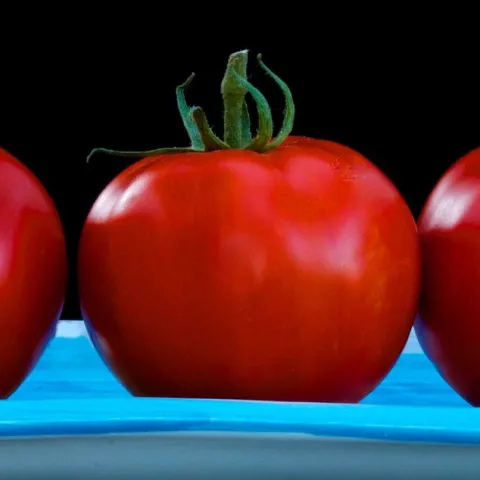
Tomatoes on a tray
UC Master Gardeners of San Mateo & San Francisco Counties: Article

It's Tomato Time!

April 19, 2025
By Cathrin Callas
 Nothing is better than a home-grown tomato. There are so many varieties from which to choose, you'll want to plant more than one if you have the space. Tomatoes do grow well in large containers. Plant your seedlings when daytime temperatures are consistently well above 55°F. Choose a location where the…
View Article
Primary Image
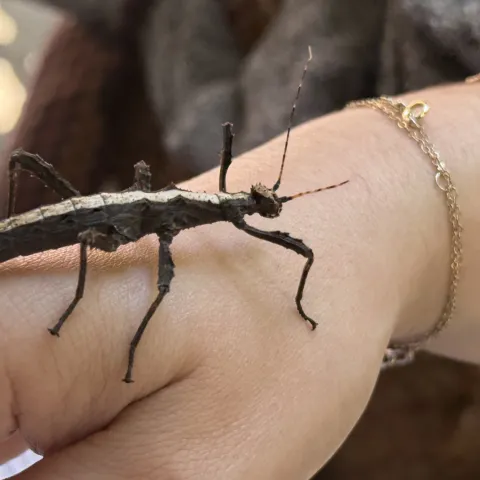
Stick insect from Bohart Museum of Entomology crawling on arm. (Photo by Kathy Keatley Garvey)

When Insects Popped Up--And a Lobster Did, Too

April 18, 2025
By Kathy Keatley Garvey
Bug Squad BlogBy Kathy Keatley Garvey When the Bohart Museum of Entomology erected its pop-up tent on the Briggs Hall lawn during the recent campuswide UC Davis Picnic Day, insects popped up.They included walking sticks (stick insects) and a few specimens from the Bohart Museum's global collection of…
View Article