A Natural Solution for California's Herds: African Catfish Peptides

California's cattle producers and agricultural communities are all too familiar with the rising challenge of antibiotic resistance, making common bacterial infections harder to treat in livestock. But imagine a future where we could tackle these infections with a natural, powerful alternative. Our research points to just that: antimicrobial peptides (AMPs) found in African catfish.

We're really excited about these peptides because African catfish thrive in pathogen-rich freshwater, naturally producing these robust immune compounds in their skin mucus as a defense. This natural origin makes them highly appealing alternatives to synthetic drugs.

Predicted Safety and Potent Action

One of the most compelling aspects of these AMPs is their predicted safety for mammals. Our initial computer analyses suggest that various catfish AMPs are generally recognized as safe (GRAS). We predict they'll be absorbed in the human intestine without causing liver, brain, or heart toxicity. Furthermore, lab tests on a promising peptide, NACAP-II, confirmed it was non-hemolytic, meaning it didn't damage rabbit red blood cells—a strong indicator of its potential safety for mammalian cells.

Beyond safety, these peptides demonstrate effectiveness against problematic bacteria. One study revealed NACAP-II's strong activity against Extended-Spectrum Beta-Lactamase (ESBL)-producing Escherichia coli—a critical concern for both animal and human health due to its resistance to many common antibiotics. Another peptide, ACAP-IV, also showed antibacterial activity against E. coli and Staphylococcus aureus. We believe these AMPs work by directly disrupting bacterial cell membranes, a mechanism that makes it harder for bacteria to develop resistance compared to how they resist traditional antibiotics.


UC Master Gardeners of Shasta County: Page

Events and Classes

The UC Master Gardeners of Shasta County offer free classes, workshops, and events throughout the year. Our programs are designed for home gardeners of all experience levels - whether you're just starting your first vegetable garden or you've been gardening in Shasta County for decades, there's something for…
View Page
Primary Image
Image of Ralph Washington Jr. on his website
Bug Squad: Article

McClellan Ranch Preserve Honoring Ralph Washington Jr., Black History Month

February 11, 2026
By Kathy Keatley Garvey
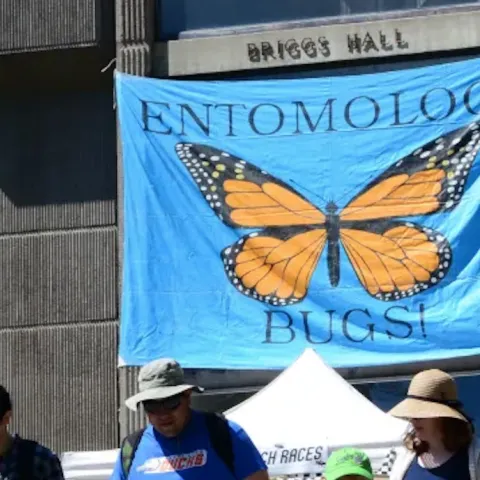
 It's so great to see the McClellan Ranch Preserve of the City of Cupertino celebrate Black History Month by shining the spotlight on UC Davis alumnus Ralph Washington, Jr., and his journey to become an entomologist.Ralph is featured in a display in the Environmental Education Center of the 18-acre…
View Article
Event Primary Image
Fire on agricultural lands
Grown in Marin: Event

Working During Wildfires: Farmworker Protections and Policy Recommendations for California’s Evacuation Zones

Event Date
Feb 23, 2026

Farmworkers often continue working during active wildfires, even in evacuation zones, facing serious health, safety, and economic risks. This webinar will explore these challenges and discuss policy solutions to better protect agricultural workers.The discussion will feature:Professor Carly Hyland, UC…
Grown in Marin
View Event
Primary Image
green laminaria seedlings with small round leaves
UC Master Gardeners of San Mateo & San Francisco Counties: Article

Time to Start Vegetable Seeds

February 10, 2026
 Starting vegetable seeds indoors can reduce the cost of transplants and allow you to grow varieties that may be difficult to find in nurseries. To get started, you will need a soilless mix; growing containers; and the proper moisture, light (like a south-facing window) and temperatures between 65-75°F…
View Article
Primary Image
Green grapes with white powdery blotches from powdery mildew
Over the Fence (Alameda County): Article

Managing Powdery Mildew

February 10, 2026
By Linda Carloni
Fungal diseases plague many different kinds of plants and their gardeners.  Fungal diseases tend to be persistent and can be difficult to manage.  Powdery mildew is one such disease.  It includes multiple fungal species and affects many different types of plants.  Powdery mildew…
View Article
Primary Image
Green grapes with white powdery blotches from powdery mildew
Over the Fence (Alameda County): Article

Managing Powdery Mildew

February 10, 2026
By Linda Carloni
Fungal diseases plague many different kinds of plants and their gardeners.  Fungal diseases tend to be persistent and can be difficult to manage.  Powdery mildew is one such disease.  It includes multiple fungal species and affects many different types of plants.  Powdery mildew…
View Article