A Natural Solution for California's Herds: African Catfish Peptides

California's cattle producers and agricultural communities are all too familiar with the rising challenge of antibiotic resistance, making common bacterial infections harder to treat in livestock. But imagine a future where we could tackle these infections with a natural, powerful alternative. Our research points to just that: antimicrobial peptides (AMPs) found in African catfish.

We're really excited about these peptides because African catfish thrive in pathogen-rich freshwater, naturally producing these robust immune compounds in their skin mucus as a defense. This natural origin makes them highly appealing alternatives to synthetic drugs.

Predicted Safety and Potent Action

One of the most compelling aspects of these AMPs is their predicted safety for mammals. Our initial computer analyses suggest that various catfish AMPs are generally recognized as safe (GRAS). We predict they'll be absorbed in the human intestine without causing liver, brain, or heart toxicity. Furthermore, lab tests on a promising peptide, NACAP-II, confirmed it was non-hemolytic, meaning it didn't damage rabbit red blood cells—a strong indicator of its potential safety for mammalian cells.

Beyond safety, these peptides demonstrate effectiveness against problematic bacteria. One study revealed NACAP-II's strong activity against Extended-Spectrum Beta-Lactamase (ESBL)-producing Escherichia coli—a critical concern for both animal and human health due to its resistance to many common antibiotics. Another peptide, ACAP-IV, also showed antibacterial activity against E. coli and Staphylococcus aureus. We believe these AMPs work by directly disrupting bacterial cell membranes, a mechanism that makes it harder for bacteria to develop resistance compared to how they resist traditional antibiotics.
Event Primary Image
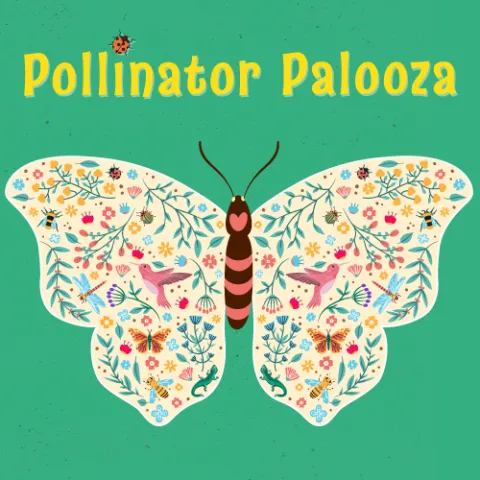
Pollinator Palooza
Cooperative Extension Ventura County: Event

Pollinator Palooza

Event Date
May 17, 2025

Pollinator Palooza FREE Event Education & GiveawaysSustainable giveaways & education on composting, gardening, recycling, worm bins & more with the City's Environmental Sustainability Division.Plant giveaways, gardening tips, and classes with the UC Master Gardeners of Ventura County…
Cooperative Extension Ventura County
View Event
Primary Image
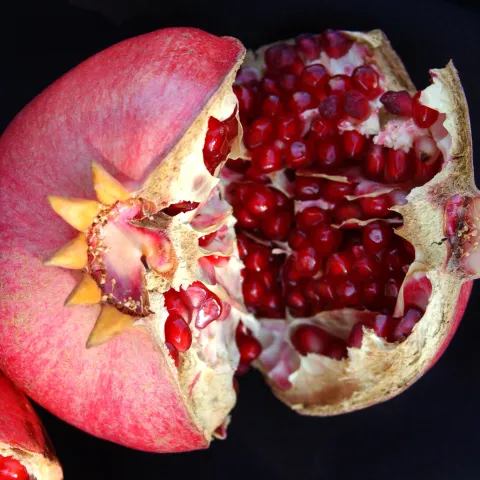
Pomegranates #2
UC Master Food Preservers of Sonoma County: Article

Pomegranates

April 7, 2025
By Shannon McMath
Fresh pomegranates are in season from the end of September through November; you can often find them at a local grocery store or farmers market. Learn to dehydrate them to extend their use.
View Article
Event Primary Image
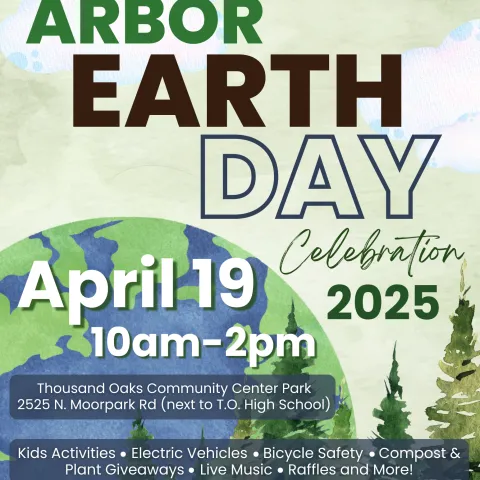
Arbor Earth Day Celebration Flyer
Cooperative Extension Ventura County: Event

Arbor Earth Day Celebration

Event Date
Apr 19, 2025

The City’s annual Arbor Earth Day Celebration returns to Thousand Oaks Community Center Park to celebrate Earth Day and Arbor Day in one combined event. This year's event will include an electric vehicle display area where the public can see and ask questions about various EV models, compost and plant…
Cooperative Extension Ventura County
View Event
UC Master Gardeners of San Mateo & San Francisco Counties: Article

Native Plant Care & Maintenance

April 7, 2025
By Cathrin Callas
Authors: UC Master Gardeners Marguerite Roemer and Kathy RyanUpdated: March 2025The First YearCalifornia native plants are a wonderful addition to your garden as they help to attract pollinators and provide a food source for butterflies, bees, and birds that are vital for maintaining our native habitat…
View Article
Primary Image
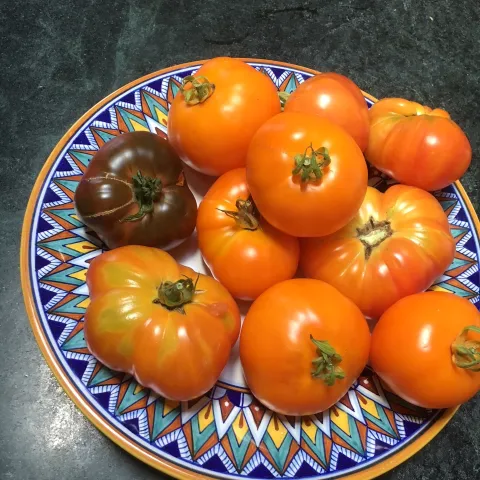
tomatoes on a plate
UC Marin Master Gardeners: Article

Homegrown tomatoes

April 7, 2025
By Bonnie A Nielsen
 Songwriter Guy Clark tells us there is nothing better than “Homegrown Tomatoes.” Many of us believe this to be true, making tomatoes the most commonly planted garden crop in the United States. UC Marin Master Gardeners will hold their annual tomato plant sale on April 12, 9:00 a.m., at Bon Air…
View Article
UC Master Food Preserver: Article

Spotlight: Bobbie Green, Class of 2024 MFP Volunteer (April 2025)

April 7, 2025
By Travis R Alexander
Bobbie Green, UC Master Food Preserver Online Program VolunteerCounty of residence: Stanislaus  My name is Bobbie Green. I’m a fairly new Master Food Preserver, having completed the training in 2024. I'd been looking for an opportunity to get involved with the MFP program for several years, since…
View Article
UC Master Food Preserver: Article

Mold: Cut Off or Toss? (April 2025)

April 7, 2025
By Travis R Alexander
Monica Benavides, UC Master Food Preserver Online Program Volunteer  So you found mold on your preserved food. Is it safe to cut or scrape off? Should you toss the whole thing? What is a home food preserver to do?Here’s your research-based guide to help you make the safe choice. Mold is a…
View Article
UC Master Food Preserver: Article

Spotlight: Kirsten Hansen, Class of 2024 MFP Volunteer (March 2025)

April 7, 2025
By Travis R Alexander
Kirsten Hansen, UC Master Food Preserver Online Program VolunteerCounty of residence: Out of State  My name is Kirsten Hansen. I joined the inaugural class of the University of California Master Food Preserver (UC MFP) Online Delivery program in December 2023, graduated in the summer of 2024, and…
View Article
UC Master Food Preserver: Article

Water Activity and its Role in Food Preservation (March 2025)

April 7, 2025
By Travis R Alexander
Henry Shaw, UC Master Food Preserver Online Program Volunteer “Water activity” or “the activity of water” (typically abbreviated as “aw”) is a critical parameter in food science that influences microbial growth and chemical reactions (including enzymatic processes) in food products. Unlike moisture…
View Article