A Natural Solution for California's Herds: African Catfish Peptides

California's cattle producers and agricultural communities are all too familiar with the rising challenge of antibiotic resistance, making common bacterial infections harder to treat in livestock. But imagine a future where we could tackle these infections with a natural, powerful alternative. Our research points to just that: antimicrobial peptides (AMPs) found in African catfish.

We're really excited about these peptides because African catfish thrive in pathogen-rich freshwater, naturally producing these robust immune compounds in their skin mucus as a defense. This natural origin makes them highly appealing alternatives to synthetic drugs.

Predicted Safety and Potent Action

One of the most compelling aspects of these AMPs is their predicted safety for mammals. Our initial computer analyses suggest that various catfish AMPs are generally recognized as safe (GRAS). We predict they'll be absorbed in the human intestine without causing liver, brain, or heart toxicity. Furthermore, lab tests on a promising peptide, NACAP-II, confirmed it was non-hemolytic, meaning it didn't damage rabbit red blood cells—a strong indicator of its potential safety for mammalian cells.

Beyond safety, these peptides demonstrate effectiveness against problematic bacteria. One study revealed NACAP-II's strong activity against Extended-Spectrum Beta-Lactamase (ESBL)-producing Escherichia coli—a critical concern for both animal and human health due to its resistance to many common antibiotics. Another peptide, ACAP-IV, also showed antibacterial activity against E. coli and Staphylococcus aureus. We believe these AMPs work by directly disrupting bacterial cell membranes, a mechanism that makes it harder for bacteria to develop resistance compared to how they resist traditional antibiotics.
Primary Image
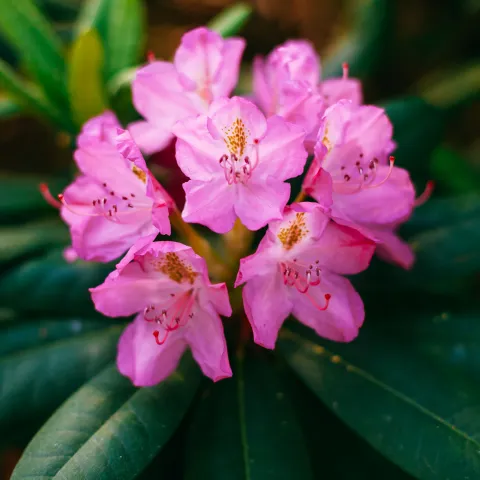
flower
UC Marin Master Gardeners: Document

Pruning Rhododendron

 Scientific NameRhododendron spp.Rhododendron usually flower in the winter and begin to push new growth as the blossoms begin to fade. This is a good time to prune to control the size and structure of the plant. Waiting until later will require removal of the new growth to control the size and shape of…
View Document
Primary Image
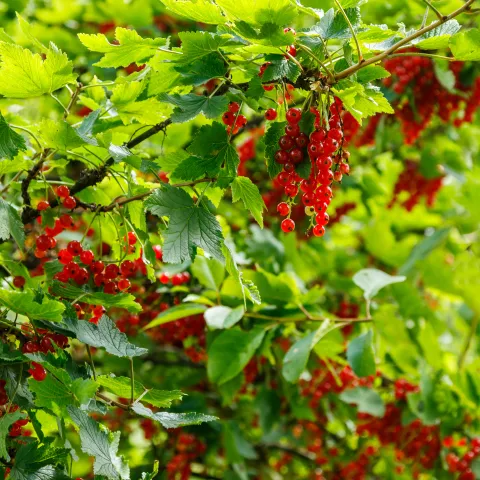
Ribes
UC Marin Master Gardeners: Document

Pruning Ribes

 Scientific NameRibes spp.Although most ribes are deciduous, viburnifolium are evergreen.The stems of ribes are not long lived. Therefore, taking out only new stems could shorten the life of the plant. Keep the new stems that are growing in a desired direction and remove the others at the base.Do not…
View Document
Primary Image
Salvia elegans
UC Marin Master Gardeners: Document

Pruning Salvia - Deciduous & Soft Stemmed

 Scientific NameSalvia elegans, S. guaranitica, S. leucantha, S. waverly, S. ulignosa, S. PatensAs a general rule, these salvia may be pruned severely in the late fall or in the spring. The decision depends upon whether a gardener’s climate includes many nights of freezing temperatures. If so, then it…
View Document
Primary Image
salvia nemorosa
UC Marin Master Gardeners: Document

Pruning Salvia - Rosette-Forming

 Scientific NameSalvia nemorosa, S. x superba, S. penstemonoides, S. SpathaceaImage & InformationThese salvia have erect flower stems surrounded by low mounds of foliage at the base of the stems.As a general rule, these salvia may be pruned severely in the late fall or in the spring. The decision…
View Document
Primary Image
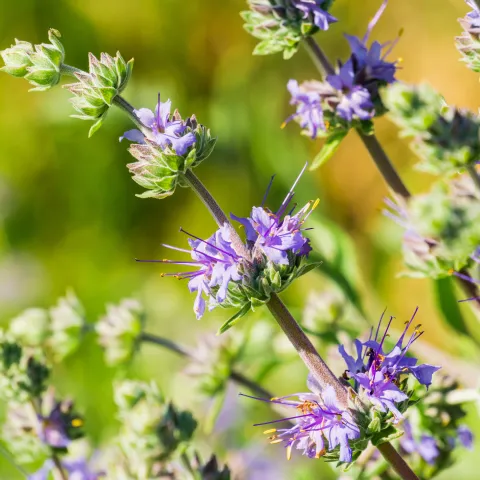
Salvia Clevelandii
UC Marin Master Gardeners: Document

Pruning Salvia - Woody

 Scientific NameSalvia greggii, S. chamaedryoides, S. coccinea, S. microphylla, S. ClevelandiiImage & InformationAs a general rule, these salvia may be pruned severely in the late fall or in the spring. The decision depends upon whether a gardener’s climate includes many nights of freezing…
View Document
UC ANR Small Farms Network: Page

Risk Management Tools

Title: Crop insurance options for specialty, diversified, and organic farmersSource: ATTRA Sustainable AgricultureLast updated: 2018Description: An overview of crop insurance programs federally subsidized through the USDA’s Risk Management Agency (RMA). The challenges faced by diversified, specialty crop,…
Archived
View Page
UC ANR Small Farms Network: Page

Marketing and Sales

Title: Community Supported Agriculture (CSA)Source: Appropriate Technology Transfer for Rural Areas (ATTRA) Sustainable AgricultureLast updated: 2019Description: This resource provides an in-depth discussion of CSA models and the process of designing one for a farming operation. The topics covered include…
Archived
View Page
Primary Image
Blooming Wisteria
UC Marin Master Gardeners: Document

Pruning Wisteria

 The primary goal of winter pruning is to focus the plant’s energy and nutrients into the formation of buds that produce the magnificent, pendulous flowers with their delightful fragrance. We do this by aggressively pruning the wisteria so that it has a well-spaced series of main vines with side shoots…
View Document
UC ANR Small Farms Network: Page

Business and Planning

Title: US Department of Food and Agriculture (USDA) Business PlanningSource: USDALast updated: 2024Description: A guided overview of how to build a business plan, access financial and technical resources, and maintain a successful business. A series of questions can assist in starting the business planning…
View Page