A Natural Solution for California's Herds: African Catfish Peptides

California's cattle producers and agricultural communities are all too familiar with the rising challenge of antibiotic resistance, making common bacterial infections harder to treat in livestock. But imagine a future where we could tackle these infections with a natural, powerful alternative. Our research points to just that: antimicrobial peptides (AMPs) found in African catfish.

We're really excited about these peptides because African catfish thrive in pathogen-rich freshwater, naturally producing these robust immune compounds in their skin mucus as a defense. This natural origin makes them highly appealing alternatives to synthetic drugs.

Predicted Safety and Potent Action

One of the most compelling aspects of these AMPs is their predicted safety for mammals. Our initial computer analyses suggest that various catfish AMPs are generally recognized as safe (GRAS). We predict they'll be absorbed in the human intestine without causing liver, brain, or heart toxicity. Furthermore, lab tests on a promising peptide, NACAP-II, confirmed it was non-hemolytic, meaning it didn't damage rabbit red blood cells—a strong indicator of its potential safety for mammalian cells.

Beyond safety, these peptides demonstrate effectiveness against problematic bacteria. One study revealed NACAP-II's strong activity against Extended-Spectrum Beta-Lactamase (ESBL)-producing Escherichia coli—a critical concern for both animal and human health due to its resistance to many common antibiotics. Another peptide, ACAP-IV, also showed antibacterial activity against E. coli and Staphylococcus aureus. We believe these AMPs work by directly disrupting bacterial cell membranes, a mechanism that makes it harder for bacteria to develop resistance compared to how they resist traditional antibiotics.
UC ANR Small Farms Network: Page

Food safety

*Title: Small Farm Food SafetySource: University of California, Davis and UC Agriculture and Natural ResourcesLast updated:Description: The Small Farm Food Safety website has a wide range of resources on food safety from farm to fork with a focus on topics such as general farm food safety, work health, soil…
View Page
Primary Image
flower
UC Marin Master Gardeners: Document

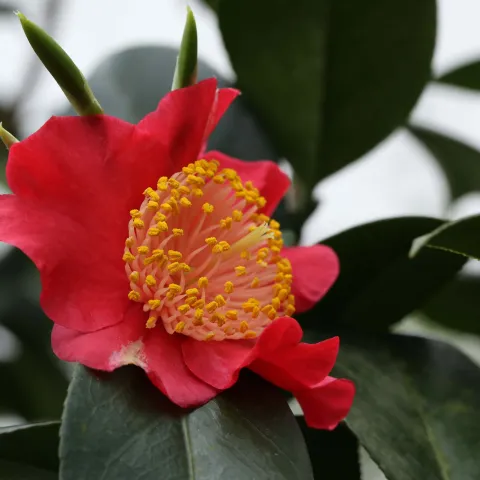
Pruning Camellia

 Scientific NameCamellia japonica; C. sasanqua; C. sinensisSpecial Considerations:Japonica buds set in later summer and bloom later from Winter to Spring.Sasanqua buds set in late summer and rest and open in the late fall to early winter.Sinensis buds set in the summer and bloom in the fall.The…
View Document
Primary Image
crape myrtle
UC Marin Master Gardeners: Document

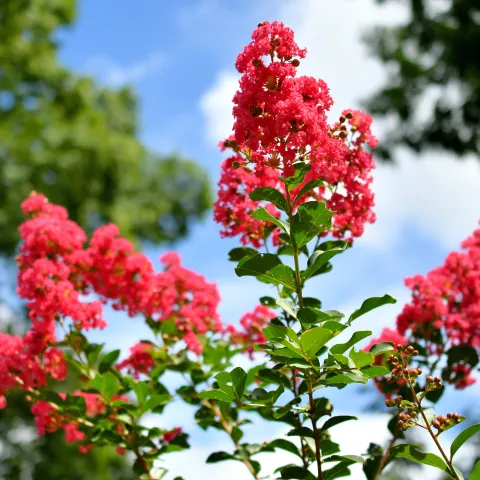
Pruning Crape Myrtle

 Scientific NameLagerstroemiaThe natural habit of Crape Myrtles is to produce multiple trunks. However, they may be trained to become a single trunk tree. Trees with multiple trunks develop a wider canopy and carry a larger number of blossoms. However, single-trunk trees still produce a profusion of…
View Document
Primary Image
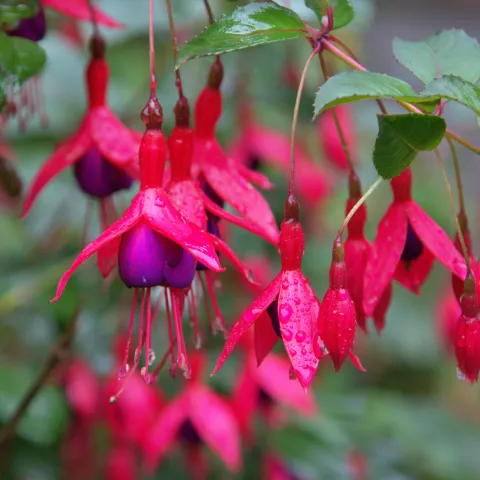
fuchsia
UC Marin Master Gardeners: Document

Pruning Fuchsia

 Scientific NameFuchsia spp.Fuchsia are susceptible to frost damage. Therefore, this guide recommends pruning in mid-March, after the threat of freezing temperatures has passed. However, some Marin locations seldom freeze at night, and some fuchsia varieties are very hardy. If frost damage is not an…
View Document
Primary Image
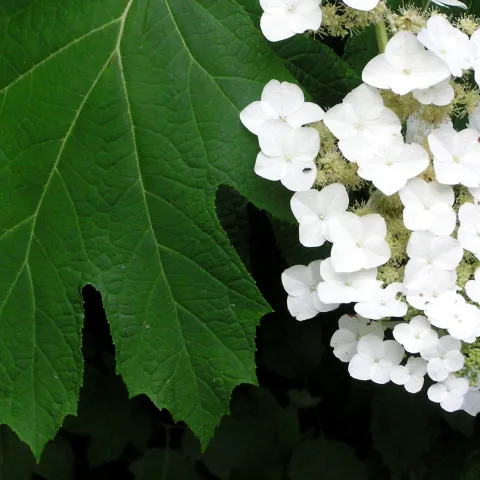
hydrangea quercifolia
UC Marin Master Gardeners: Document

Pruning Hydrangea - Mophead, Lacecap & Oakleaf Varieties

 Scientific NameH. macrophylla; H. serrata; H. aspera; H. quercifoliaThese hydrangea varieties bloom in the early spring on wood that formed during the previous growing season.Pruning is best performed in mid-summer, after the peak of the bloom. This timing is important, because it allows the plant to…
View Document
Primary Image
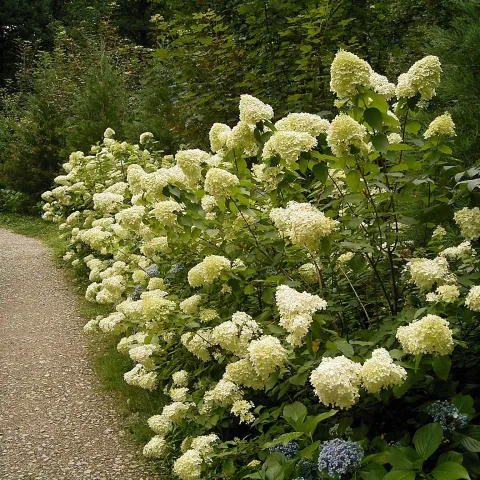
hydrangea paniculata
UC Marin Master Gardeners: Document

Pruning Hydrangea - Panicle & Smooth Varieties

 Scientific NameH. paniculata; H. arborescensThese hydrangea varieties begin to bloom in the mid-summer on wood that forms during the current growing season. They can bloom well into the fall.Pruning is best performed during the winter, before new growth begins.Removing spent blooms at the base can keep…
View Document
Article

Broken Links to Sites, Images and Files

March 17, 2025
By Stephen Dampier
Broken links to sites, images and files is an assumed part of the migration from Site Builder to IWP. While most of the links, images and files should link properly, there are instances where they will be broken. The larger your site, the more often you'll find broken links and media images. We recommend…
View Article
Primary Image
loropetalum
UC Marin Master Gardeners: Document

Pruning Loropetalum

 Scientific NameLoropetalum chinenseLoropetalum have two blooming cycles. They begin flowering in late winter (usually February) on old wood that formed during the previous growing season and cover themselves in masses of blossoms through March. They then bloom sporadically throughout the summer on new…
View Document
Primary Image
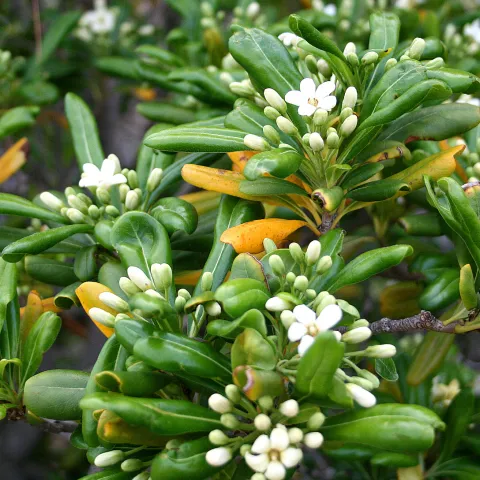
pittosporum
UC Marin Master Gardeners: Document

Pruning Pittosporum

 Scientific NamePittosporum tobiraAlthough the focus of this guide is on pruning, some gardeners shear their pittosporum. If a gardener chooses this method, then, just as for pruning, shearing should occur after the spring bloom. Shearing in the winter removes the flower buds.Pittosporum are susceptible…
View Document