A Natural Solution for California's Herds: African Catfish Peptides

California's cattle producers and agricultural communities are all too familiar with the rising challenge of antibiotic resistance, making common bacterial infections harder to treat in livestock. But imagine a future where we could tackle these infections with a natural, powerful alternative. Our research points to just that: antimicrobial peptides (AMPs) found in African catfish.

We're really excited about these peptides because African catfish thrive in pathogen-rich freshwater, naturally producing these robust immune compounds in their skin mucus as a defense. This natural origin makes them highly appealing alternatives to synthetic drugs.

Predicted Safety and Potent Action

One of the most compelling aspects of these AMPs is their predicted safety for mammals. Our initial computer analyses suggest that various catfish AMPs are generally recognized as safe (GRAS). We predict they'll be absorbed in the human intestine without causing liver, brain, or heart toxicity. Furthermore, lab tests on a promising peptide, NACAP-II, confirmed it was non-hemolytic, meaning it didn't damage rabbit red blood cells—a strong indicator of its potential safety for mammalian cells.

Beyond safety, these peptides demonstrate effectiveness against problematic bacteria. One study revealed NACAP-II's strong activity against Extended-Spectrum Beta-Lactamase (ESBL)-producing Escherichia coli—a critical concern for both animal and human health due to its resistance to many common antibiotics. Another peptide, ACAP-IV, also showed antibacterial activity against E. coli and Staphylococcus aureus. We believe these AMPs work by directly disrupting bacterial cell membranes, a mechanism that makes it harder for bacteria to develop resistance compared to how they resist traditional antibiotics.
UC Master Gardeners of Placer County: Page

Workshops and Special Events

Visit our booth at Farmers' Markets:Auburn – Across from courthouse, May through October, 1st and 3rd Saturdays, 8:00 a.m. – 12:00 p.m.Roseville – Fountains, Whole Foods parking lot, May through October, every Tuesday, 8:00 a.m. – 1:00 p.m.Lincoln – …
View Page
Community Economic Development: Page

Community Broadband

A Future for Universal Broadband in CaliforniaUniversal, high-speed broadband access has become a pressing priority in public policy, the marketplace, and civil society. Universal accessibility necessarily involves forms of community-controlled broadband (municipal, co-op, nonprofit, JPAs, or dark fiber…
View Page
Shasta County: Page

Programs

  4-H Youth Empowerment4-H is about more than just animals.  We offer a variety of projects from Art to STEM.  We help members build leadership, confidence and life skills through learning by doing.If you're interested in your child becoming a 4-H member, or you would like to volunteer…
View Page
Article

iFrame

March 17, 2025
By Stephen Dampier
Situations with Iframes:Adding a remote video via the Insert Media button adds a Drupal-Media tag, that is actually in an iFrame that has no ability to change width and height, or add a Bootstrap Class that makes the video responsive.  The Stiff Little Fingers video illustrates this.   2…
View Article
Primary Image
native seed collecting
UC Master Gardeners of Monterey & Santa Cruz Counties: Video

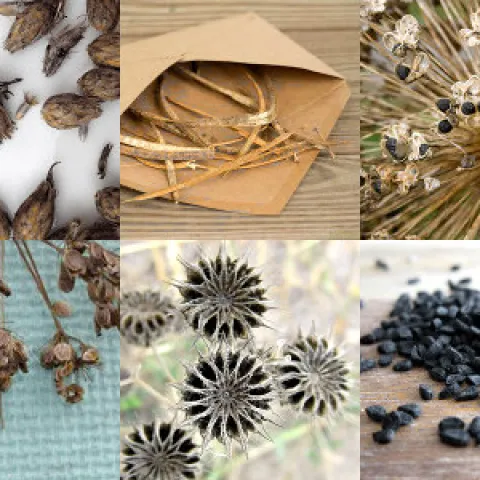
Native Plant Seed Collecting

How to collect and save seeds from California native plants and wildflowers. Taught by UC Master Gardener Janice KuchRead along with the presentation here  
View Video
Primary Image
Native wildflower garden2
UC Master Gardeners of Monterey & Santa Cruz Counties: Document

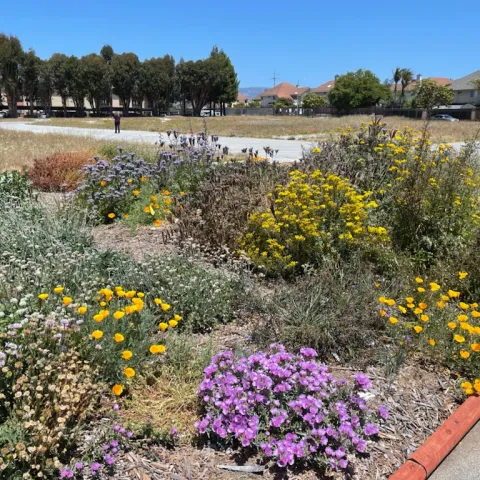
Gardening with Beautiful Native Plants

Class presentation with overview of why and how to grow plants native to the central coast. Class presentation Handout with popular native plants Native plants for containers Easy native wildflowersEasy native groundcovers
View Document
Primary Image
Argentine ant
UC Marin Master Gardeners: Article

Ant invasion

March 17, 2025
By Bonnie A Nielsen
 They can’t help it, that trail of ants crawling up a kitchen cabinet. The determined critters head inside to escape cold, wet winter days or hot, dry summer conditions. But our sympathies don’t extend to safe harboring ant armies. Nor are we happy to see them in the garden keeping aphids alive.There…
View Article
Primary Image
claire-sauvin-0vottOPADW8-unsplash
UC Master Gardeners of Monterey & Santa Cruz Counties: Article

California Native Plant Society

March 17, 2025
By Atticus Rotoli
Santa Cruz County CNPSOur mission is to increase understanding and appreciation of California’s native plants and to preserve them in their natural habitats through educational and scientific activities and conservation efforts. Our chapter is dedicated to the plants and habitats of Santa Cruz county, from…
View Article
Primary Image
Lemon verbena, bee balm and echinacea growing together are a good example of companion planting. Joyce Hill.jpg
The Real Dirt: Article

Spring 2025 Upcoming Master Gardener Workshops

March 16, 2025
By Jeanette Alosi
By UC Master Gardeners of Butte County The Master Gardeners Spring Workshop Series is in full swing! The series began in February, but worry not -- there are plenty of topics still to be covered from now into June: fifteen workshops to be exact, seven of them on all-new subjects and eight on tried-and…
View Article