A Natural Solution for California's Herds: African Catfish Peptides

California's cattle producers and agricultural communities are all too familiar with the rising challenge of antibiotic resistance, making common bacterial infections harder to treat in livestock. But imagine a future where we could tackle these infections with a natural, powerful alternative. Our research points to just that: antimicrobial peptides (AMPs) found in African catfish.

We're really excited about these peptides because African catfish thrive in pathogen-rich freshwater, naturally producing these robust immune compounds in their skin mucus as a defense. This natural origin makes them highly appealing alternatives to synthetic drugs.

Predicted Safety and Potent Action

One of the most compelling aspects of these AMPs is their predicted safety for mammals. Our initial computer analyses suggest that various catfish AMPs are generally recognized as safe (GRAS). We predict they'll be absorbed in the human intestine without causing liver, brain, or heart toxicity. Furthermore, lab tests on a promising peptide, NACAP-II, confirmed it was non-hemolytic, meaning it didn't damage rabbit red blood cells—a strong indicator of its potential safety for mammalian cells.

Beyond safety, these peptides demonstrate effectiveness against problematic bacteria. One study revealed NACAP-II's strong activity against Extended-Spectrum Beta-Lactamase (ESBL)-producing Escherichia coli—a critical concern for both animal and human health due to its resistance to many common antibiotics. Another peptide, ACAP-IV, also showed antibacterial activity against E. coli and Staphylococcus aureus. We believe these AMPs work by directly disrupting bacterial cell membranes, a mechanism that makes it harder for bacteria to develop resistance compared to how they resist traditional antibiotics.
Primary Image
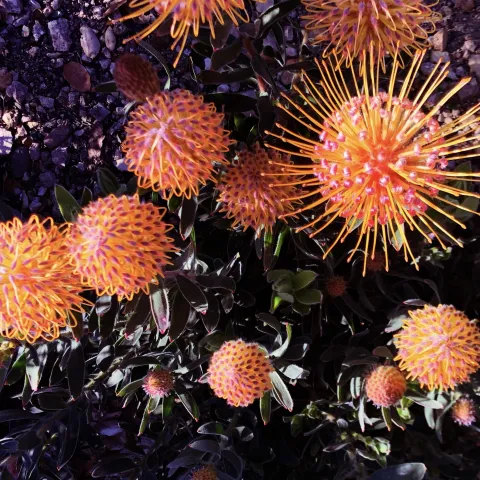
bright colored, pin-cushion type proteacea
UC Master Gardeners of Monterey & Santa Cruz Counties: Article

What to do in the Garden - October

March 17, 2025
By Denise Pinard
Get your garden ready for fall! Our October gardening checklist, created by Master Gardeners, covers essential tasks like planting cool-season crops, preparing for winter, and more.
View Article
Primary Image
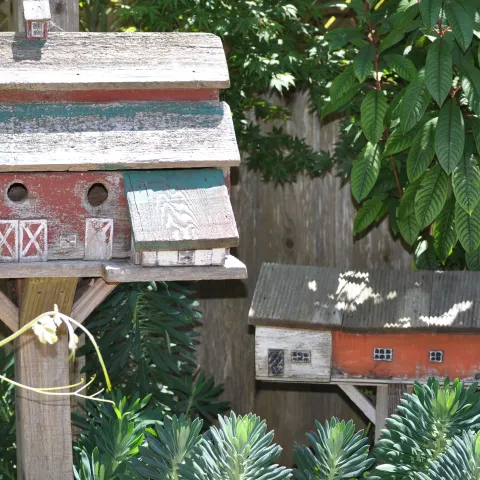
Rustic birdhouses in a garden
UC Master Gardeners of Monterey & Santa Cruz Counties: Article

What to do in the Garden - November

March 17, 2025
By Denise Pinard
Get your garden ready for fall! Our November gardening checklist, created by Master Gardeners, covers essential tasks like planting cool-season crops, preparing for winter, and more.
View Article
Primary Image
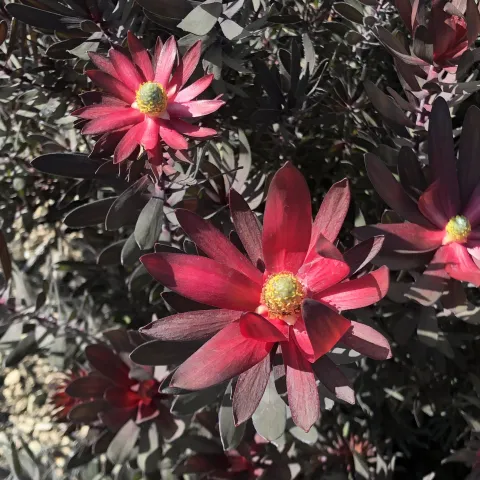
Red bracts on Leucadendron 'Ebony'
UC Master Gardeners of Monterey & Santa Cruz Counties: Article

What to do in the Garden - December

March 17, 2025
By Denise Pinard
Prepare your garden for winter! Our December gardening checklist from Master Gardeners includes tips for protecting plants, soil preparation, and planning for next year's garden.
View Article
Primary Image
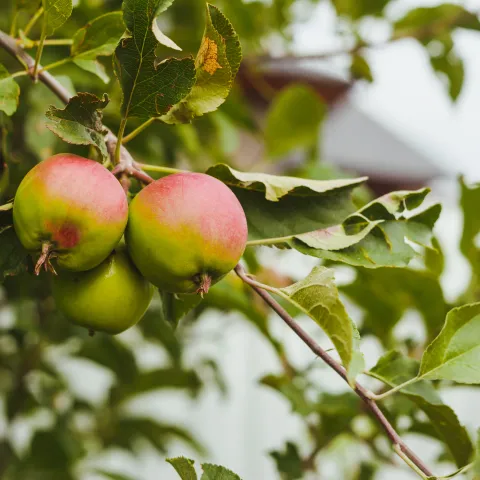
apples
UC Marin Master Gardeners: Document

Apple

 Scientific NameMalus domesticaGeneral InformationApple trees are deciduous, attractive trees native to central Asia and cultivated worldwide. There are hundreds of cultivars, including many familiar names like 'Fuji' and 'Granny Smith.' Most apples need 500 to 1,000 chill hours in winter, although some…
View Document
Primary Image
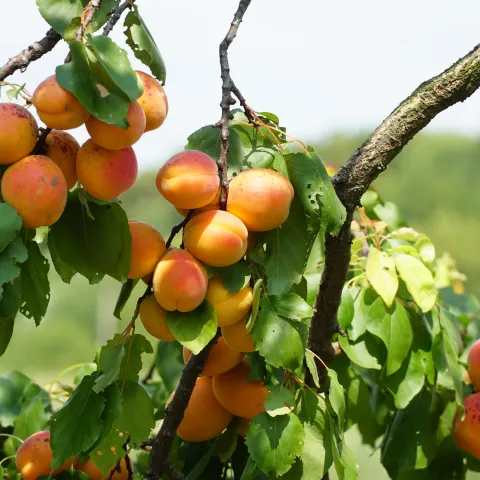
apricots
UC Marin Master Gardeners: Document

Apricot

 Scientific NamePrunus armeniacaGeneral InformationApricots bloom in February and early March, which can coincide with cold rain storms. As a result, consistent crops are unlikely in Marin. However, when one does get a crop it's worth the wait. Apricots perform best where spring weather is dry. They are…
View Document
Primary Image
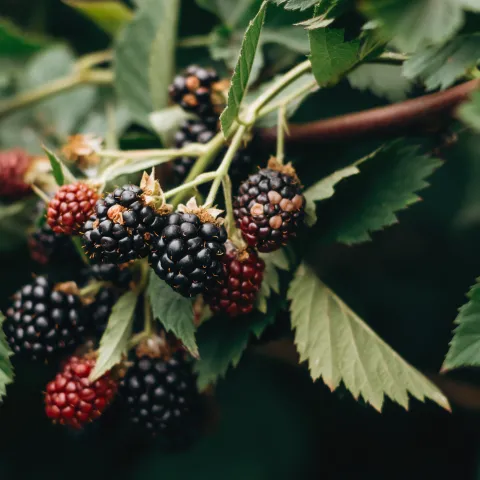
blackberry
UC Marin Master Gardeners: Document

Berry

 Scientific NameRubus sppGeneral InformationBlackberries and raspberries are deciduous vines that do best when trellised. Boysenberries are a hybrid cross of blackberries and raspberries. These plants have perennial roots and biennial shoots or canes that give us fruit in the second year.When to…
View Document
Primary Image
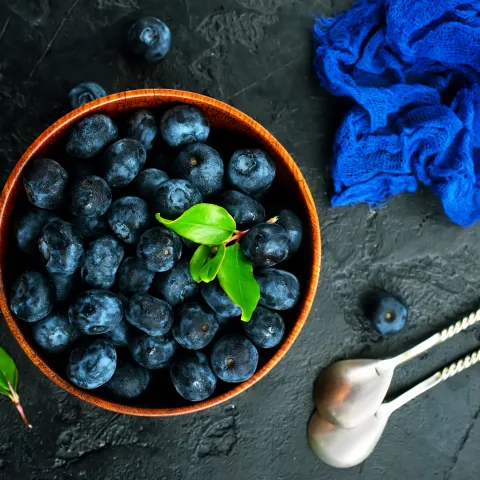
bowl blueberries
UC Marin Master Gardeners: Document

Blueberry

 Scientific NameVaccinium sppGeneral InformationBlueberries belong to the Ericaceae family, which includes azaleas and rhododendrons. They have pinkish flowers in the spring, berries in summer, and often brilliant red and yellow foliage in the fall.Blueberries have pinkish flowers in the spring, berries…
View Document
Primary Image
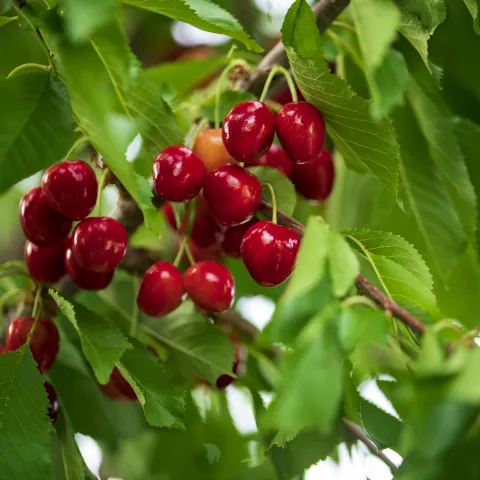
cherry
UC Marin Master Gardeners: Document

Cherry

 Scientific NamePrunus avium (sweet) Prunus cerasus (sour)General InformationCherries are deciduous trees available in sweet (for fresh eating) or sour (for preserving or jams) varieties. Most require between 600 to 900 chill hours (below 45 degrees Fahrenheit). High temperatures contribute to…
View Document
Primary Image
citrus tree
UC Marin Master Gardeners: Document

Citrus

  Scientific NameCitrus spp.General InformationCitrus are evergreen shrubs or trees native to Asia and belong to the Rutaceae family. One of California’s most common backyard fruit trees.When to PlantCitrus can be planted any time of the year in frost-free zones. Otherwise, plant in spring…
View Document
Primary Image
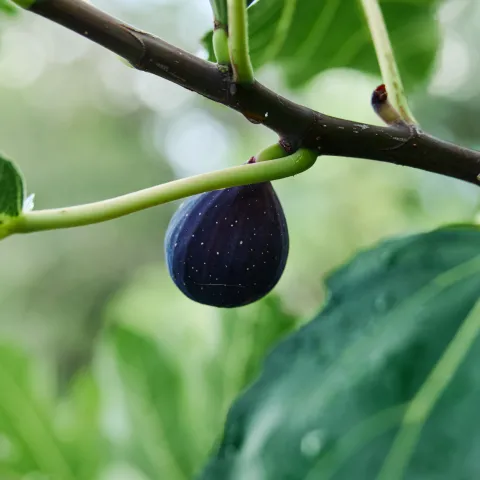
fig tree
UC Marin Master Gardeners: Document

Fig

 Scientific NameFicus caricaGeneral InformationFig trees are deciduous, easily-grown, and don't require pollination to yield fruit. Most bear two crops per year: early summer and late summer/early fall. Native to western Asia and eastern Mediterranean, figs thrive in warm climates but also grow in more…
View Document