A Natural Solution for California's Herds: African Catfish Peptides

California's cattle producers and agricultural communities are all too familiar with the rising challenge of antibiotic resistance, making common bacterial infections harder to treat in livestock. But imagine a future where we could tackle these infections with a natural, powerful alternative. Our research points to just that: antimicrobial peptides (AMPs) found in African catfish.

We're really excited about these peptides because African catfish thrive in pathogen-rich freshwater, naturally producing these robust immune compounds in their skin mucus as a defense. This natural origin makes them highly appealing alternatives to synthetic drugs.

Predicted Safety and Potent Action

One of the most compelling aspects of these AMPs is their predicted safety for mammals. Our initial computer analyses suggest that various catfish AMPs are generally recognized as safe (GRAS). We predict they'll be absorbed in the human intestine without causing liver, brain, or heart toxicity. Furthermore, lab tests on a promising peptide, NACAP-II, confirmed it was non-hemolytic, meaning it didn't damage rabbit red blood cells—a strong indicator of its potential safety for mammalian cells.

Beyond safety, these peptides demonstrate effectiveness against problematic bacteria. One study revealed NACAP-II's strong activity against Extended-Spectrum Beta-Lactamase (ESBL)-producing Escherichia coli—a critical concern for both animal and human health due to its resistance to many common antibiotics. Another peptide, ACAP-IV, also showed antibacterial activity against E. coli and Staphylococcus aureus. We believe these AMPs work by directly disrupting bacterial cell membranes, a mechanism that makes it harder for bacteria to develop resistance compared to how they resist traditional antibiotics.
Primary Image
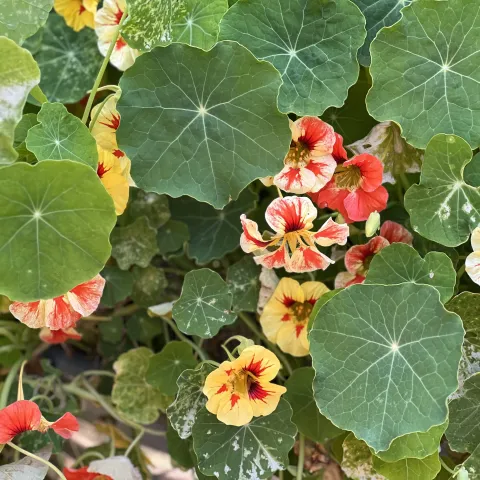
a mass of orange and yellow nasturtiums
UC Master Gardeners of Monterey & Santa Cruz Counties: Page

Programs & Projects

Get involved! Find Master Gardener programs & projects near you in Monterey, San Benito, & Santa Cruz Counties. Access expert gardening knowledge online or attend in-person events.
View Page
Primary Image
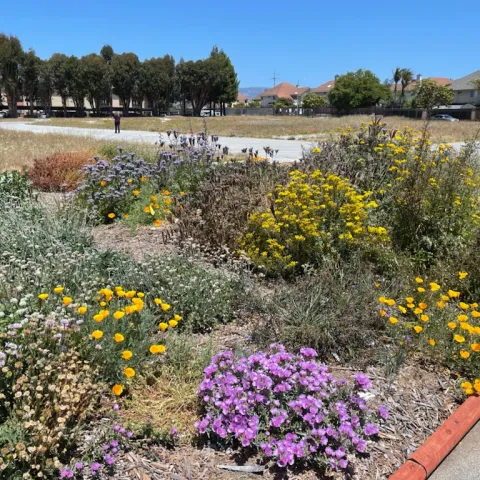
Native wildflower garden2
UC Master Gardeners of Monterey & Santa Cruz Counties: Page

Contact Us

Contact the UC Master Gardeners of Monterey & Santa Cruz Counties with your gardening questions! Find our phone number, email address, mailing address, and information about visiting our demonstration garden here.
View Page
Primary Image
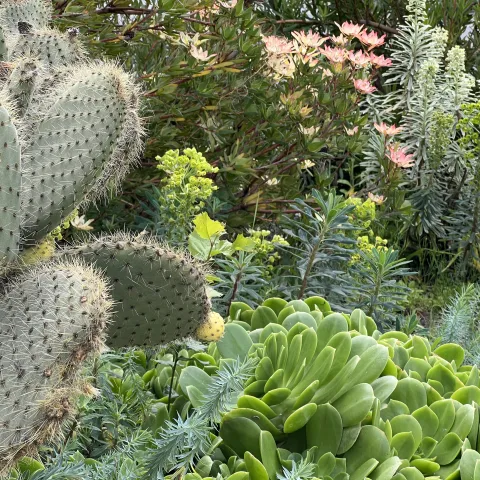
A dense group of various green plants
UC Master Gardeners of Monterey & Santa Cruz Counties: Page

About Monterey Bay Master Gardeners

Grow your best garden yet! UC Master Gardeners provide expert advice, classes, and resources to help you succeed in Monterey Bay. From help desk support to demonstration gardens, we're here to help you thrive
View Page
Primary Image
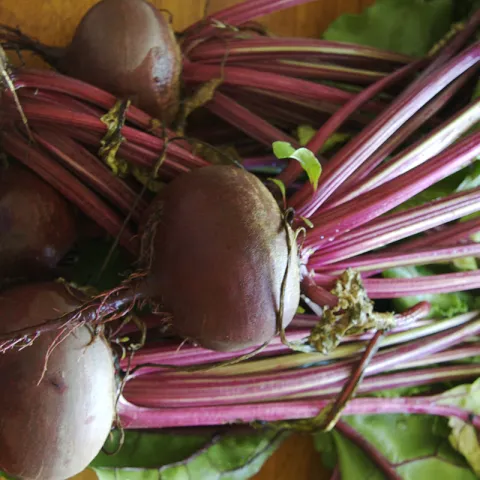
Beetroot photo Brianna Walther
UC Marin Master Gardeners: Document

Beets

Beets, Beta vulgaris, are a herbaceous biennial that is usually grown as an annual during the cooler months of the year. It is grown as a root vegetable, but the leaves can also be eaten.
View Document
Primary Image
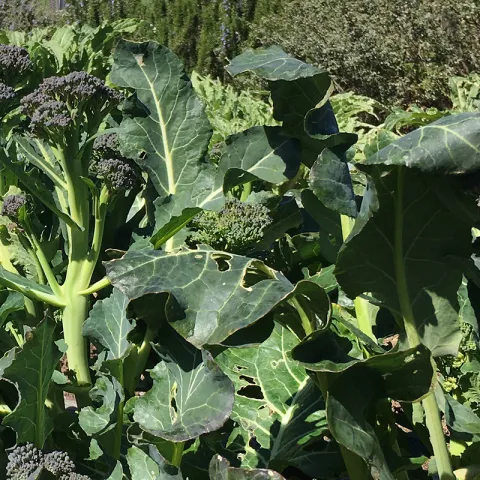
Broccoli photo Marty Nelson
UC Marin Master Gardeners: Document

Broccoli

Broccoli, Brassica oleacea, is a cool season plant in the mustard family consisting of an edible flower head, stems, and leaves. There are short season and long season varieties. You can grow broccoli in the spring and again in the fall. Broccoli is delicious eaten fresh out of the garden.
View Document
Primary Image
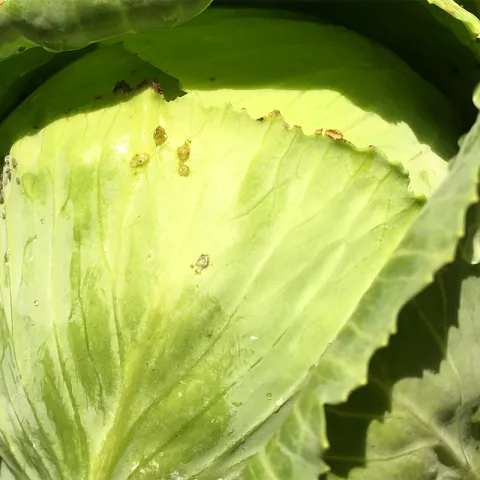
cabbage photo Jean Christofferson
UC Marin Master Gardeners: Document

Cabbage

Cabbage, Brassica oleracea var capitata, is a cool weather vegetable related to kale, collards, broccoli, cauliflower, Brussels sprout, and kohlrabi. Can grow year-round along the coast. Native to coastal areas of Western Europe. There are short-season, mid-season, and long-season varieties.
View Document
Primary Image
apples
UC Marin Master Gardeners: Document

Pruning Apple

Scientific NameMalus domestica Special ConsiderationsApples need sturdy branches. Heading cuts are necessary.  Fruit grows on:Old wood (spurs). Spurs form on one to three year old trees. Spurs continue to produce fruit for eight to 10 years, then die off. Trees are continually generating new…
View Document
Primary Image
Apricot tree
UC Marin Master Gardeners: Document

Pruning Apricot

Scientific NamePrunus armeniaca Special ConsiderationsApricots bloom early (February or March). Therefore, late spring rains can limit pollination.Apricots are susceptible to a number of diseases, including eutypa, a water-borne fungal disease. As a result, apricots should be pruned only when rains are…
View Document
Primary Image
Carrots photo Jean Christofferson
UC Marin Master Gardeners: Document

Carrots

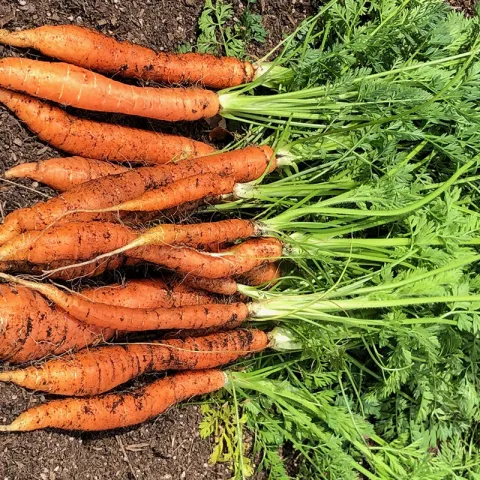
Carrots, Daucus carota, are a cool weather crop and a root crop. It is a biennial grown as an annual. Native to Afghanistan.
View Document
Primary Image
cherry tree
UC Marin Master Gardeners: Document

Pruning Cherry

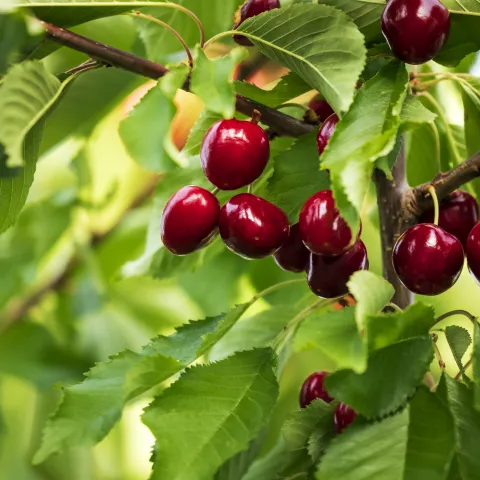
Scientific NamePrunus avium Special ConsiderationsGenerally, cherries are the most difficult fruit trees to keep alive. They do not tolerate wet feet and are very susceptible to brown rot, bacterial canker, root and crown rots, and eutypa, a water-borne fungal disease. As a result, cherries should be…
View Document