Project Board Help

Test PB Collection: FTE

Test dynamic

UC Master Gardener Program: Page

Harvesting and Storing

Freshly harvested tomatoes should be stored at room temperature (6570F) and away from direct sunlight (see Group 4).
View Page
Primary Image
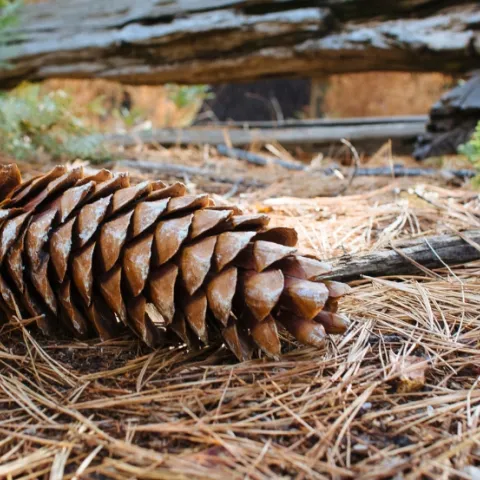
Pinecone on the forest floor
UC Master Gardener Program: Page

Climate Zones

Most gardening books, catalogs, and seed packets refer to plant hardiness zones, climate zones, or growing zones. Temperature hardiness climate zones are based on normally expected high and low temperatures and serve as guides to help you know which plants will grow where you live.
View Page
UC Master Gardener Program: Page

Vegetable Classifications

Vegetables can be classified in many ways, but the two most useful ways to gardening are by their growth habit and their temperature requirements.
View Page
UC Master Gardener Program: Page

Location

Raised garden beds at the Fair Oaks Horticulture Center. Photo credit: Audrey Brandt Choose the best site for your garden, preferably in a location that is easily accessible from your home. Make sure the site receives 6 to 8 hours of full sun per day.
View Page
UC Master Gardener Program: Page

How much and what to plant?

Plant enough of each vegetable crop to meet your familys needs for fresh, stored, and preserved supplies. For most vegetables, there are a number of varieties (cultivars) from which to choose.
View Page
UC Master Gardener Program: Page

Efficient use of space

Do not grow horizontally what you can grow vertically to save space! @UC Regents The key to any successful garden is planning. Gardeners cannot waste time and space if they expect to produce large amounts of vegetables from a limited area.
View Page
UC Master Gardener Program: Page

Preparing a garden plan

A vegetable garden plan with where plants will be planted, spacing and variety information. Photo credit: Lauren Snowden Plan your garden on paper before planting. A well-planned garden can provide fresh or preserved vegetables for use year-round.
View Page
UC Master Gardener Program: Page

Tools

Only a few good-quality tools are necessary for a small home garden: Spade or spading fork. Use to turn the ground, to turn under the organic matter, and to break up large clumps of soil. Rake. Use to smooth out the soil after spading and after preparing the seedbed.
View Page
UC Master Gardener Program: Page

Seeds and transplants

You can grow many vegetables from seed, but you can also buy young plants from a nursery. Nursery plants are grown from seed under sheltered conditions and are started earlier than you could safely plant the seed outdoors.
View Page
UC Master Gardener Program: Page

Early start on growing vegetables

Growing your own transplants indoors can extend your gardening season by several weeks, reduce your gardening costs, and allow you to grow transplants of some of the hard-to-find varieties of crops.
View Page