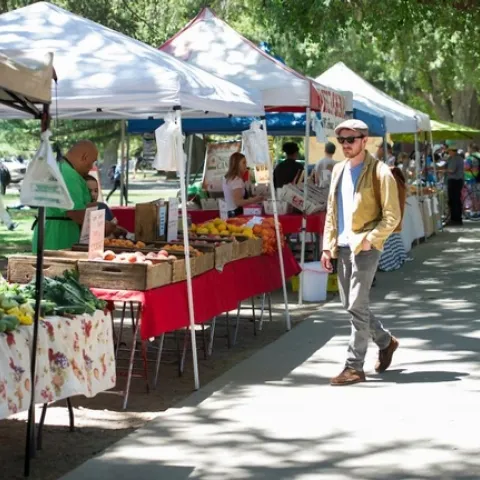
A new study by UC Davis researchers finds a low risk of contamination of foodborne pathogens on produce and meat at Northern California certified farmers markets, but still finds cause for some concern.
Thanksgiving is upon us. This recipe has layers of flavor and texture and has become a family favorite at least among the family members who aren't die-hard canned jellied cranberry sauce fans. The recipe below is as-printed and was clipped from the Florida Today newspaper many years ago.
Nearly half of young children in the United States participate in licensed child care settings, where they can consume up to two-thirds of their daily dietary intake. Thus, these are important settings in which young children are provided beverages that support their health.
Every year butterfly guru and distinguished professor Art Shapiro of the UC Davis Department of Evolution and Ecology sponsors a "Beer-for-a-Butterfly Contest.
Lorrene Ritchie, director and UC Cooperative Extension (UCCE) specialist at the Nutrition Policy Institute (NPI), was quoted in an article on November 6, 2020 in UPI titled "Mindfulness-based program boosts preschoolers' interest in fruit, veggies" and another article on November 9, 2020 in The Wash...
A summer of smoke and ash in many parts of California has raised questions about the safety of produce growing on farms and in the garden, eggs laid by chickens who peck around in ash-laden areas, and remediation needed to safely and effectively grow food in the future.
Una encuesta en una escuela primaria localizada en el condado de San Joaqun, encontr un creciente inters por el tema de la nutricin entre las familias latinas.
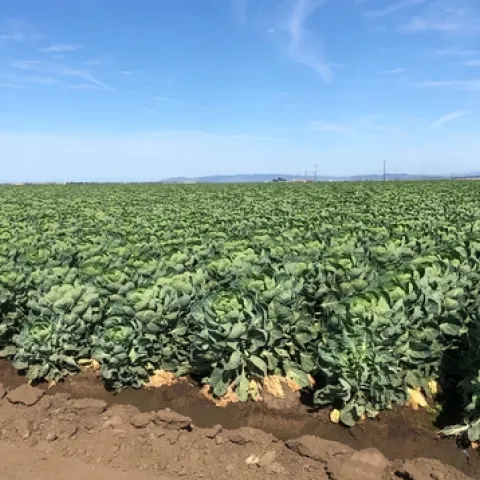
Brussels sprouts field in Santa Maria The diamondback moth, Plutella xylostella (Lepidoptera: Plutellidae) is an important pest of broccoli, Brussels sprouts, cabbage, cauliflower, collards, kale, and other cruciferous crops.