A Natural Solution for California's Herds: African Catfish Peptides

California's cattle producers and agricultural communities are all too familiar with the rising challenge of antibiotic resistance, making common bacterial infections harder to treat in livestock. But imagine a future where we could tackle these infections with a natural, powerful alternative. Our research points to just that: antimicrobial peptides (AMPs) found in African catfish.

We're really excited about these peptides because African catfish thrive in pathogen-rich freshwater, naturally producing these robust immune compounds in their skin mucus as a defense. This natural origin makes them highly appealing alternatives to synthetic drugs.

Predicted Safety and Potent Action

One of the most compelling aspects of these AMPs is their predicted safety for mammals. Our initial computer analyses suggest that various catfish AMPs are generally recognized as safe (GRAS). We predict they'll be absorbed in the human intestine without causing liver, brain, or heart toxicity. Furthermore, lab tests on a promising peptide, NACAP-II, confirmed it was non-hemolytic, meaning it didn't damage rabbit red blood cells—a strong indicator of its potential safety for mammalian cells.

Beyond safety, these peptides demonstrate effectiveness against problematic bacteria. One study revealed NACAP-II's strong activity against Extended-Spectrum Beta-Lactamase (ESBL)-producing Escherichia coli—a critical concern for both animal and human health due to its resistance to many common antibiotics. Another peptide, ACAP-IV, also showed antibacterial activity against E. coli and Staphylococcus aureus. We believe these AMPs work by directly disrupting bacterial cell membranes, a mechanism that makes it harder for bacteria to develop resistance compared to how they resist traditional antibiotics.
Primary Image
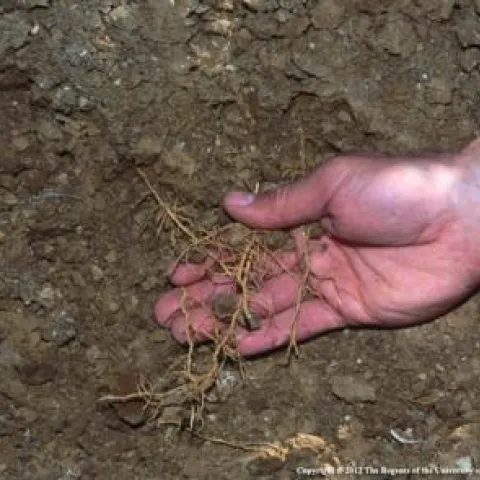
citrus root health

Getting to the Root of HLB

October 2, 2023
By Ben A Faber
Texas A&M AgriLife researchers have made a discovery that will help combat fastidious pathogens, which cost U.S. agriculture alone billions of dollars annually. Kranthi Mandadi, Ph.D., inspects a grapefruit for citrus greening. (Texas A&M AgriLife photo) For the past few years, Kranthi Mandadi, Ph.
View Article
Primary Image
chong-2a-1280x731 Kurapia Inc
Napa Master Gardener Column: Article

Kurapia: a low water lawn alternative

October 1, 2023
A couple of years ago, my husband and I decided to plant a lawn alternative in an unlandscaped part of our Napa property, an area covering about 1,100 square feet.
View Article
Primary Image
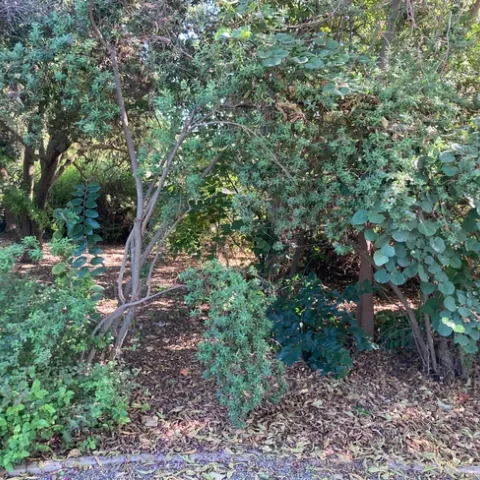
There's no need to rake all the leaves that fall on garden beds. They can be used as mulch. (Photo: Jeannette Warnert)
Fresno Gardening Green: Article

Leaves dropped by trees can be an effective garden mulch

October 1, 2023
The look of neighborhood yards has changed radically these last years. Landscape designs that feature highly-manicured, constantly trimmed, raked, and groomed lawns and planting beds are disappearing, by necessity.
View Article
UC Master Gardener Program of Riverside County: Article

Garden Views, 2023.09 - Sep/Oct 2023

October 1, 2023
In this Issue: Jill Hismeth describes our new Training class; Our Principles of Community; Ralph Thompson shares a Desert Helpline question and response; Anne Platzer paints the Red Admiral butterfly; Remember the Riverside Grow Lab Plant Sale; Jolene Hancock recounts Behind the Scenes with Michael...
View Article
Article

Thyme to Garden: Autumn Issue

October 1, 2023
Crocus Sativus By Karen Seroff When most gardeners hear the name crocus', they think of charming little bright purple and yellow flowers coming up through patches of snow heralding springtime.
View Article
Primary Image
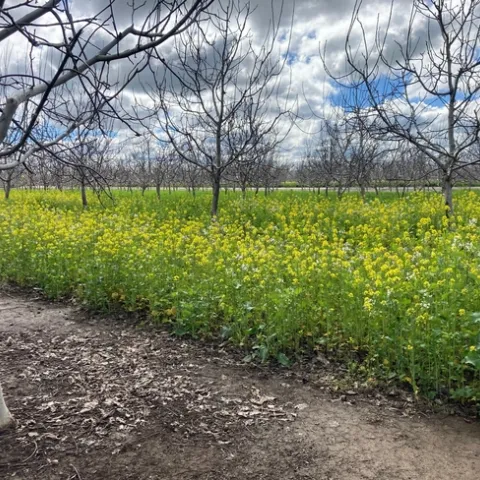
Mustard blend cover crop stand in a walnut orchard in March.
Mt. Diablo Region Crops: Article

Cover crop planting season is here

September 30, 2023
By Kamyar Aram
Autumn is in the air, and while it is still high season for harvest for many crops, shorter days and cooler temperatures inevitably bring to mind that winter prep tasks are not far off.
View Article