A Natural Solution for California's Herds: African Catfish Peptides

California's cattle producers and agricultural communities are all too familiar with the rising challenge of antibiotic resistance, making common bacterial infections harder to treat in livestock. But imagine a future where we could tackle these infections with a natural, powerful alternative. Our research points to just that: antimicrobial peptides (AMPs) found in African catfish.

We're really excited about these peptides because African catfish thrive in pathogen-rich freshwater, naturally producing these robust immune compounds in their skin mucus as a defense. This natural origin makes them highly appealing alternatives to synthetic drugs.

Predicted Safety and Potent Action

One of the most compelling aspects of these AMPs is their predicted safety for mammals. Our initial computer analyses suggest that various catfish AMPs are generally recognized as safe (GRAS). We predict they'll be absorbed in the human intestine without causing liver, brain, or heart toxicity. Furthermore, lab tests on a promising peptide, NACAP-II, confirmed it was non-hemolytic, meaning it didn't damage rabbit red blood cells—a strong indicator of its potential safety for mammalian cells.

Beyond safety, these peptides demonstrate effectiveness against problematic bacteria. One study revealed NACAP-II's strong activity against Extended-Spectrum Beta-Lactamase (ESBL)-producing Escherichia coli—a critical concern for both animal and human health due to its resistance to many common antibiotics. Another peptide, ACAP-IV, also showed antibacterial activity against E. coli and Staphylococcus aureus. We believe these AMPs work by directly disrupting bacterial cell membranes, a mechanism that makes it harder for bacteria to develop resistance compared to how they resist traditional antibiotics.


Primary Image
Mating tsetse flies. (Photo by Geoffrey Attardo, UC Davis Department of Entomology and Nematology)
Entomology & Nematology News: Article

Geoff Attardo: Seminar on Mating Biology of Tsetse Flies

September 29, 2023
By Kathy Keatley Garvey
Medical entomologist-geneticist Geoffrey Attardo, associate professor, UC Davis Department of Entomology and Nematology and chair of the Designated Emphasis in the Biology of Vector-Borne Diseases (DEBVBD), will speak on tsetse flies at the next department seminar, set for 4:10 p.m., Monday, Oct.
View Article
Primary Image
Manpreet Bains
ANR Employee News: Article

PAC welcomes six new members

September 29, 2023
By Pamela S Kan-Rice
UC President Michael Drake recently approved six new members for the UC President's Advisory Commission on Agriculture and Natural Resources. These new members will help represent some missing geography and interest groups' perspectives, said Vice President Glenda Humiston.
View Article
Primary Image
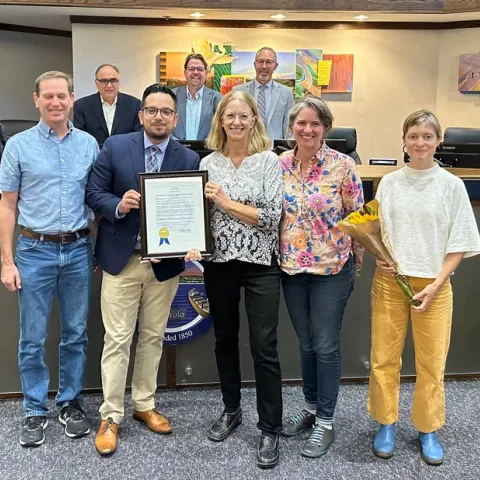
Rachael Long and Supervisor Angel Barajas hold up a plaque.
ANR Employee News: Article

Celebration Corner

September 29, 2023
By Pamela S Kan-Rice
Editor's note: This new monthly feature provides an opportunity to recognize UC ANR colleagues and teams. Send your shout-outs to contentpipeline@ucanr.edu.
View Article
Primary Image
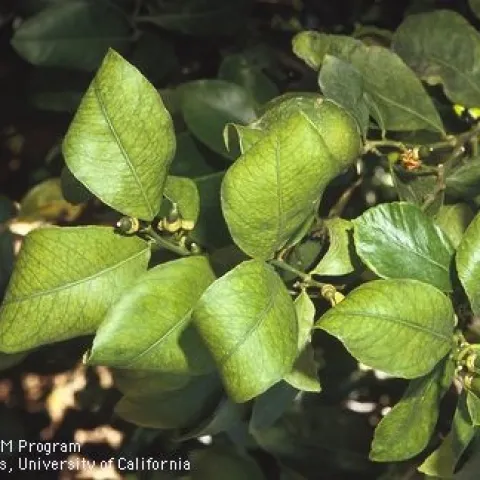
citrus K deficiency

Leaf Analysis Time of Year

September 29, 2023
By Ben A Faber
If you haven't done it yet, it's that time of year to be doing leaf analysis for citrus and avocados. Analysis prevents deficiency symptoms from appearing and maintains good yields, all else being well done.
View Article
Primary Image
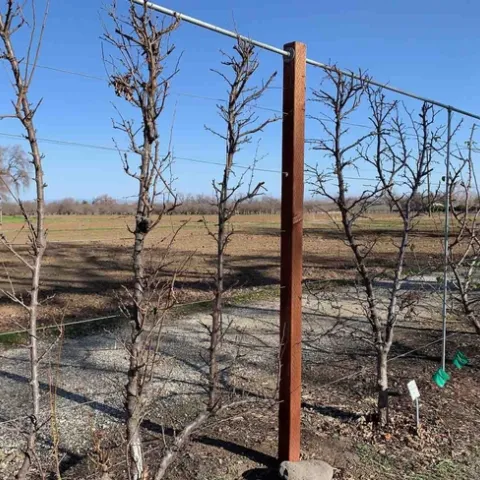
Espaliered fruit trees in January 2021 at Patrick Ranch. Laura Kling
The Real Dirt: Article

Espalier Gardening

September 29, 2023
There is a bit of ancient Rome and a taste of old Egypt at the Master Gardener Demonstration Garden at the Patrick Ranch. Butte County MGs are practicing espaliering, the early horticultural art of training and pruning a tree or shrub to grow flat against a support.
View Article
Primary Image
day of triffids
Under the Solano Sun: Article

From Green to Gory

September 29, 2023
Over the years, filmmakers have ingeniously incorporated plants into the narratives of all kinds of movies including horror and thriller movies, creating a unique and chilling atmosphere that lingers long after the credits roll.
View Article