A Natural Solution for California's Herds: African Catfish Peptides

California's cattle producers and agricultural communities are all too familiar with the rising challenge of antibiotic resistance, making common bacterial infections harder to treat in livestock. But imagine a future where we could tackle these infections with a natural, powerful alternative. Our research points to just that: antimicrobial peptides (AMPs) found in African catfish.

We're really excited about these peptides because African catfish thrive in pathogen-rich freshwater, naturally producing these robust immune compounds in their skin mucus as a defense. This natural origin makes them highly appealing alternatives to synthetic drugs.

Predicted Safety and Potent Action

One of the most compelling aspects of these AMPs is their predicted safety for mammals. Our initial computer analyses suggest that various catfish AMPs are generally recognized as safe (GRAS). We predict they'll be absorbed in the human intestine without causing liver, brain, or heart toxicity. Furthermore, lab tests on a promising peptide, NACAP-II, confirmed it was non-hemolytic, meaning it didn't damage rabbit red blood cells—a strong indicator of its potential safety for mammalian cells.

Beyond safety, these peptides demonstrate effectiveness against problematic bacteria. One study revealed NACAP-II's strong activity against Extended-Spectrum Beta-Lactamase (ESBL)-producing Escherichia coli—a critical concern for both animal and human health due to its resistance to many common antibiotics. Another peptide, ACAP-IV, also showed antibacterial activity against E. coli and Staphylococcus aureus. We believe these AMPs work by directly disrupting bacterial cell membranes, a mechanism that makes it harder for bacteria to develop resistance compared to how they resist traditional antibiotics.
Event Primary Image
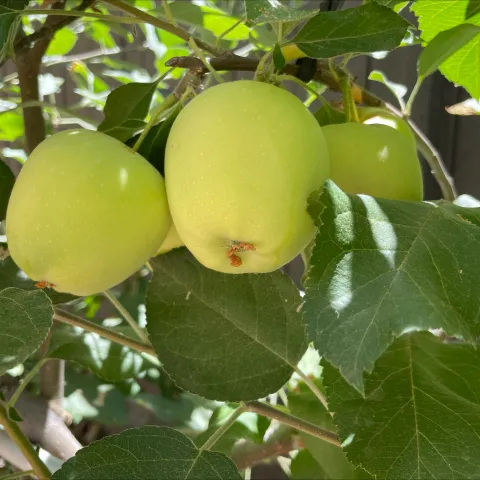
Apple Tree
UC Master Gardeners of Placer County: Event

Fruit Tree Care, Lincoln Library

Event Date
Mar 21, 2026

Learn 10 tips for caring for your fruit trees, including how to select the right tree, and the correct way to plant. Join a UC Master Gardener of Placer County as they provide pruning tips and care advice to encourage a fruitful crop.
UC Master Gardeners of Placer County
View Event
Primary Image
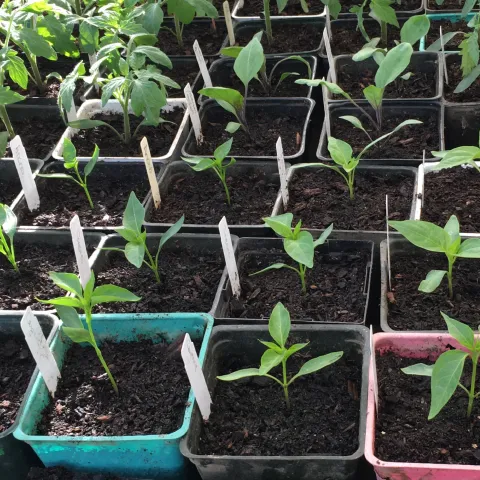
Photo of seedlings growing in a greenhouse.
The Savvy Sage: Article

Join our Kitchen Garden Chat via Zoom

January 2, 2026
By Deborah Cunningham
  Article and photos by Treva Valentine - In the past, when people mentioned to me that they garden, I always pictured them vegetable gardening. When I trained with the UC Master Gardener Program some thirty years ago, I quickly realized that many people who garden don’t have anything edible…
View Article
Primary Image
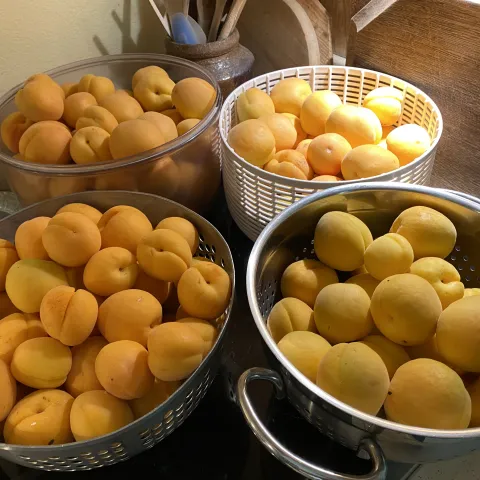
Containers of fresh picked apricots.
The Savvy Sage: Article

January Garden Tips and Vegetable Planting Guide

January 2, 2026
By Deborah Cunningham
 Article and photos by Peg Smith - We wish you Happy Gardening in 2026! We often set New Year’s resolutions in our lives at this time, some we achieve, some we move the needle on, and some fall by the wayside. In thinking of garden resolutions, we would encourage: to think ahead; plan; take…
View Article
Primary Image
Stepover pruned apple trees along a walkway.
The Savvy Sage: Article

What’s a Stepover Fruit Tree?

January 2, 2026
By Deborah Cunningham
Article by Peg Smith - January and February are the prime time for adding fruit trees to the garden. Many gardeners are dealing with smaller gardens where space is a premium. Often, the consideration of adding fruit trees meets the thought, ‘I don’t have enough room.’ Always Wanted Fruit Trees But…
View Article
Event Primary Image
rosemary
UC Master Gardeners of Santa Clara County: Event

MRDG How to Grow and Use Culinary Herbs - Cupertino

Event Date
May 16, 2026

Come learn how to grow and use culinary herbs. UC Master Gardener, Susan Bancroft, will show you how to grow a variety of herbs from seed to harvest. In containers, inside or outside, herbs are easy to grow and delicious in food and drink. We will explore a variety of uses for fresh and preserved herbs,…
UC Master Gardeners of Santa Clara County
View Event
Event Primary Image
Raised Bed Summer Vegetables, Jill Willard.jpg
UC Master Gardeners of Santa Clara County: Event

MRDG April Gardening Tips and Maintenance - Cupertino

Event Date
Apr 18, 2026

April is an ideal time to commence planning your crops and ornamental flowers. However, it is also a period when pests such as slugs, earwigs, and snails are more prevalent. In this talk, Pamela Roper, UC Master Gardener will provide practical tips for successful gardening during this busy season. She will…
UC Master Gardeners of Santa Clara County
View Event
Article

[PODCAST] Bird Friendly Garden

January 1, 2026
By Loren Nelson
The topic this week on In the Garden with UC Master Gardeners is Bird-Friendly Gardens.  In studio live, we’ll have Melissa Rapp, a current UC Master Gardener AND Executive Committee President at the Sea and Sage Audubon Society. We have a past recording of a show from 2018 featuring the wonderful…
View Article
Primary Image
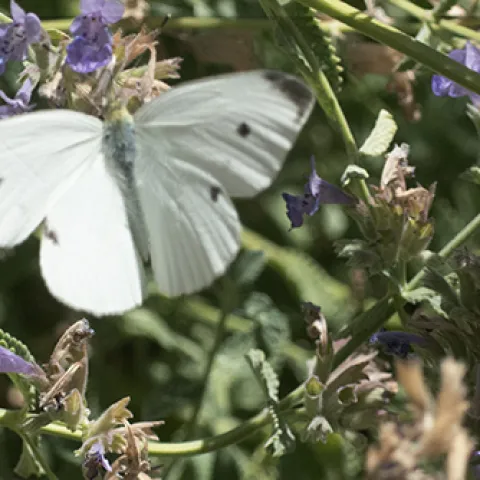
Cabbage white butterfly, Pieris rapae, in flight. (Photo by Kathy Keatley Garvey)
Bug Squad: Article

Net a Butterfly, Photograph a Bee

January 1, 2026
By Kathy Keatley Garvey
 New Year's Day is not only the beginning of a year, but it's also the beginning of two UC Davis insect contests: one involving a cabbage white butterfly, and the other, a bumble bee.Chances are no one won either one today, as it's been raining almost non-stop, and the 10-day forecast predicts an 80…
View Article
Primary Image
Peaches
Fresno Gardening Green: Article

Guidance for adding new fruit trees to the garden

January 1, 2026
Some of the world’s best fruit tree hybridizers are located here in the Central Valley and the selection of fruit trees available to Central Valley gardeners as bare root stock in January is extensive. Fruit tree hybridizers are consistently developing new heat- and drought-tolerant varieties suitable…
View Article
Primary Image
bare root roses
Fresno Gardening Green: Article

This week in the garden: Jan. 2 - 8

January 1, 2026
Roses are planted bare root in January or February, but other rose tasks may also be done this month.TasksNew roses of many varieties are featured in magazines and articles - or view them online. Look for those you like, select ones that are suitable for your area, and buy them bare root. Consider the…
View Article