A Natural Solution for California's Herds: African Catfish Peptides

California's cattle producers and agricultural communities are all too familiar with the rising challenge of antibiotic resistance, making common bacterial infections harder to treat in livestock. But imagine a future where we could tackle these infections with a natural, powerful alternative. Our research points to just that: antimicrobial peptides (AMPs) found in African catfish.

We're really excited about these peptides because African catfish thrive in pathogen-rich freshwater, naturally producing these robust immune compounds in their skin mucus as a defense. This natural origin makes them highly appealing alternatives to synthetic drugs.

Predicted Safety and Potent Action

One of the most compelling aspects of these AMPs is their predicted safety for mammals. Our initial computer analyses suggest that various catfish AMPs are generally recognized as safe (GRAS). We predict they'll be absorbed in the human intestine without causing liver, brain, or heart toxicity. Furthermore, lab tests on a promising peptide, NACAP-II, confirmed it was non-hemolytic, meaning it didn't damage rabbit red blood cells—a strong indicator of its potential safety for mammalian cells.

Beyond safety, these peptides demonstrate effectiveness against problematic bacteria. One study revealed NACAP-II's strong activity against Extended-Spectrum Beta-Lactamase (ESBL)-producing Escherichia coli—a critical concern for both animal and human health due to its resistance to many common antibiotics. Another peptide, ACAP-IV, also showed antibacterial activity against E. coli and Staphylococcus aureus. We believe these AMPs work by directly disrupting bacterial cell membranes, a mechanism that makes it harder for bacteria to develop resistance compared to how they resist traditional antibiotics.

Event Primary Image
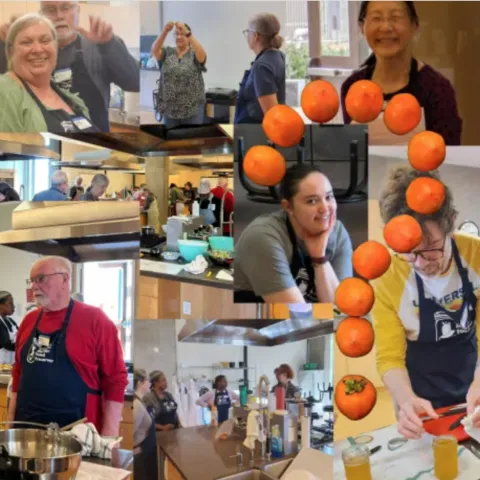
Mocktail2
UC Master Food Preserver Program of Orange County: Event

Online Event: Garden to Glass: Winter Mocktails

Event Date
Jan 31, 2026

Online via Zoom Join us to discover how preserved lemons, winter herbs, and specialty fruits like prickly pear can bring bright, flavorful depth to your beverages. This free class is presented by the UC Master Food Preserver Online Delivery Program.Saturday, January 31, 20261:00 pm - 2:00 pm PT
UC Master Food Preserver Program of Orange County
View Event
Event Primary Image
Ask A MFP
UC Master Food Preserver Program of Orange County: Event

Online Event: Ask a UC Master Food Preserver Live Q&A

Event Date
Jan 14, 2026

Online via Zoom Do you have food preservation questions? Join UC Master Food Preservers online for a free live Q&A about safe, research-based methods.This free class is presented by the UC Master Food Preserver Online Delivery Program and the UC Master Food Preservers of San Bernardino and Riverside…
UC Master Food Preserver Program of Orange County
View Event
Event Primary Image
Mushrooms
UC Master Food Preserver Program of Orange County: Event

Online Event: Mushroom Madness! How to Dehydrate, Freeze, Pickle & Can

Event Date
Jan 13, 2026

Online via ZoomLearn to dehydrate, freeze, pickle, and can cultivated mushrooms safely at home in this free, research-based online class.This free class is presented by the UC Master Food Preserver Online Delivery Program.Monday, January 13, 20267:00-8:00 pm PT
UC Master Food Preserver Program of Orange County
View Event
Primary Image
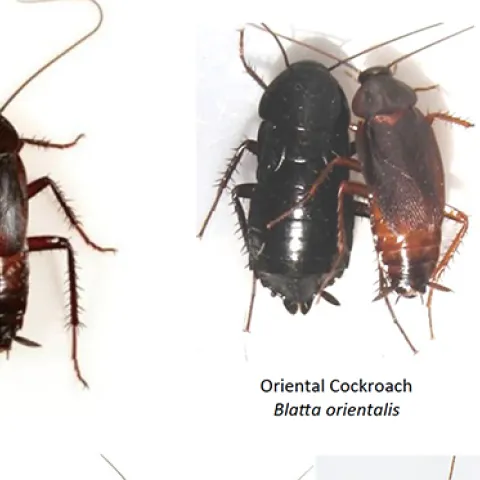
Exotic cockroaches, from Bohart Museum of Entomology
Bug Squad: Article

A New Cockroach in Town?

December 30, 2025
By Kathy Keatley Garvey
 A new cockroach in town?That's what a UC Davis retired professor thought on Tuesday, Dec. 23 when he spotted an unusual cockroach emerging from his shower drain at his Davis home.He said he "recognized  it as unusual and caught it. It was a male Turkestan cockroach, Blatta lateralis, a species…
View Article
Nutrition Policy Institute: Page

Peer-Reviewed Publications

Below is a comprehensive list of peer-reviewed publications by Nutrition Policy Institute researchers and our collaborators in reverse chronological order. See also our collection of PubMed indexed peer-reviewed publications by NPI researchers.View publications by year: 2026 • 2025 • 2024 • 2023 • 2022 …
View Page
UC Master Gardeners of Orange County: Event

[PODCAST]This Month in the Garden – January

Event Date
Dec 30, 2025

Happy New Year to everyone! In the Garden with UC Master Gardeners, a weekly radio show, is back for the new year letting you know the latest in science-based advice for the local Orange County gardener. The first Thursday of every month, we bring you an hour of delightful conversation with two of the…
UC Master Gardeners of Orange County
View Event
UC Master Gardeners of Placer County: Article

Garden Ghoulishness

December 30, 2025
by Ann Wright, UC Master Gardeners of Nevada County From The Curious Gardener, Fall 2021 Halloween is coming, and it’s more than just a day to go about in funny, sometimes frightening costumes, eating snack-sized candy bars, and, of course, carving pumpkins! Halloween is also a good day to appreciate…
View Article
UC Master Gardeners of Placer County: Article

The Myth of Firewise Plants

December 30, 2025
By Kevin Marini, UC Master Gardener of Placer County and UC Defensible Space Educator From The Curious Gardener, Spring 2024  There was a point last year when I started to appreciate the length of time that had gone by since a big fire had occurred. Most of the time, paranoia takes over daily…
View Article
Event Primary Image
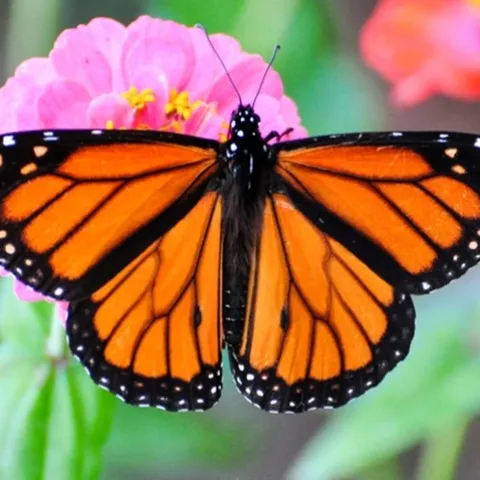
monarch
UC Marin Master Gardeners: Event

Monarchs in Marin

Event Date
Jan 12, 2026

Program: A Practical Guide to Help Them Survive-Monarch butterflies, as much as we love them, are in danger of extinction here in California. Learn about their life cycle/needs and practical steps that we can take in Marin County to help with their survival. Speaker: After 40+ years of office jobs in the…
UC Marin Master Gardeners
View Event
Primary Image
Camera is upward facing, trees are standing.
Forestry Research and Outreach: Page

Forest Science and Ecology

 California's unique geology, topography (mountains and valleys) and climate create one of the most biologically diverse regions in the world.  There are about 52 conifer species in California, 14 of which are endemic and only occur naturally within the State. Oaks woodlands cover 10 percent of the…
View Page