A Natural Solution for California's Herds: African Catfish Peptides

California's cattle producers and agricultural communities are all too familiar with the rising challenge of antibiotic resistance, making common bacterial infections harder to treat in livestock. But imagine a future where we could tackle these infections with a natural, powerful alternative. Our research points to just that: antimicrobial peptides (AMPs) found in African catfish.

We're really excited about these peptides because African catfish thrive in pathogen-rich freshwater, naturally producing these robust immune compounds in their skin mucus as a defense. This natural origin makes them highly appealing alternatives to synthetic drugs.

Predicted Safety and Potent Action

One of the most compelling aspects of these AMPs is their predicted safety for mammals. Our initial computer analyses suggest that various catfish AMPs are generally recognized as safe (GRAS). We predict they'll be absorbed in the human intestine without causing liver, brain, or heart toxicity. Furthermore, lab tests on a promising peptide, NACAP-II, confirmed it was non-hemolytic, meaning it didn't damage rabbit red blood cells—a strong indicator of its potential safety for mammalian cells.

Beyond safety, these peptides demonstrate effectiveness against problematic bacteria. One study revealed NACAP-II's strong activity against Extended-Spectrum Beta-Lactamase (ESBL)-producing Escherichia coli—a critical concern for both animal and human health due to its resistance to many common antibiotics. Another peptide, ACAP-IV, also showed antibacterial activity against E. coli and Staphylococcus aureus. We believe these AMPs work by directly disrupting bacterial cell membranes, a mechanism that makes it harder for bacteria to develop resistance compared to how they resist traditional antibiotics.

UC Master Gardeners of Santa Clara County: Page

Signage in Demo Gardens

These signs (or smaller versions of them), are featured in our demo gardens. Not all signs are in every garden. Click an image to see a larger version.               
View Page
Primary Image
Spring Waterwise Garden Color; N.Kawakita.jpg
UC Master Gardeners of Santa Clara County: Page

Waterwise Plants

Many beautiful plants thrive in Santa Clara Countys summer-dry climate and clay soil without a lot of extra work. California native plants are naturally adapted to our conditions.
View Page
Primary Image
Icons showing various methods of contact
UC Master Gardeners of Santa Clara County: Page

Ask a Gardening Question

Our Help Desk is here to answer gardening questions for Santa Clara County residents. Please review our plant diagnosis questions before contacting us. It will help you gather information so we can better assist you. For many issues, our Garden Help pages or the UC Integrated Pest Management website may give…
View Page
Primary Image
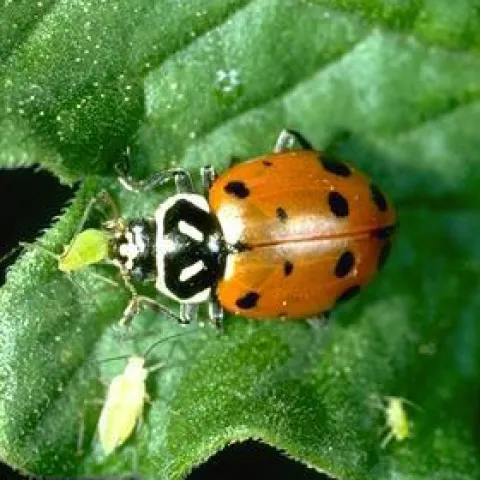
Lady beetle eating aphid UCANR square
UC Master Gardeners of Santa Clara County: Page

Beneficial Insects Tips

Beneficial insects help us in our gardens by pollinating plants, preying on other pests such as aphids, adding beauty, and being part of a whole, healthy ecosystem. Below is a collection of our monthly tips that relate to beneficial insects.
View Page
Primary Image
Icons showing various methods of contact
UC Master Gardeners of Santa Clara County: Page

Contact Us

Do you have a home gardening question? Need advice for a school garden? Want to get monthly advice and notice of events? There are many options to contact us.
View Page
Primary Image
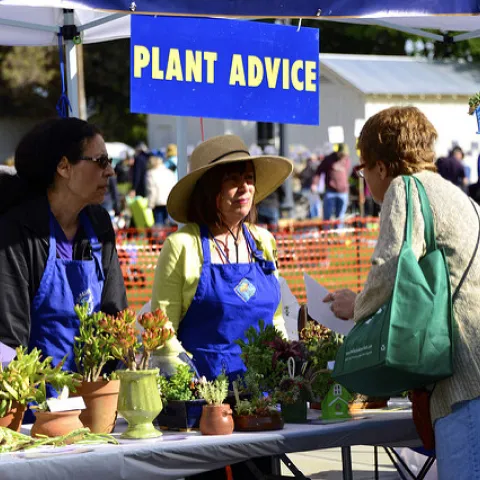
Garden advice table at Master Gardener event
UC Master Gardeners of Santa Clara County: Page

Events and Classes

Upcoming events for the UC Master Gardeners of Santa Clara County. Our talks and courses are geared to local residents. If you live elsewhere, your local Master Gardener program may have more relevant information.
View Page
Primary Image
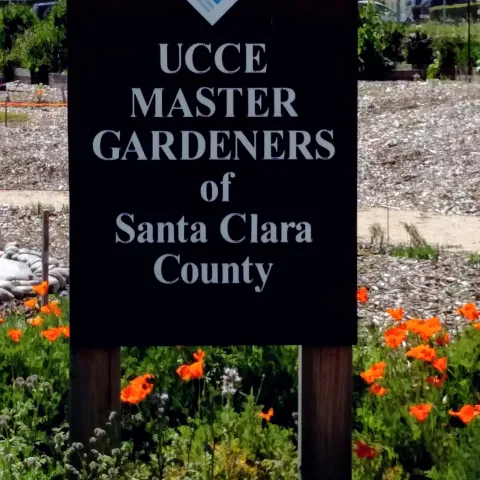
Sign for UC Master Gardeners at Martial Cottle Park
UC Master Gardeners of Santa Clara County: Page

Demonstration Gardens

Our demonstration gardens showcase best practices for home gardeners and provide hands-on gardening experiences. Gardens are open to the public (days and hours vary by location). YouÆre invited to visit, ask questions, and garden with us when we’re working in the garden.
View Page
Primary Image
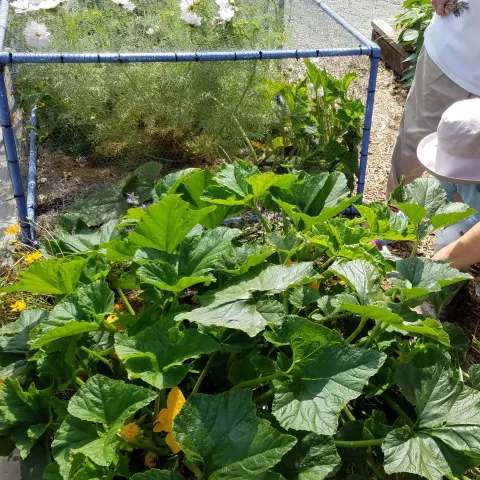
People looking closely at bushy squash plant
UC Master Gardeners of Santa Clara County: Page

Sunnyvale Teaching and Demo Garden

This garden showcases vegetables and ornamentals growing organically in raised beds, in-ground beds, and containers, with an emphasis on using recycled, recyclable or salvaged materials.Address: 433 Charles Street, Sunnyvale, CA 94086 (View map)Directions: Located in the southeast corner of Sunnyvale’s…
View Page
Primary Image
Sustainable gardening class at McClellan Ranch Preserve
UC Master Gardeners of Santa Clara County: Page

McClellan Ranch Garden

Our focus is demonstrating and teaching best gardening practices for growing edible vegetables, greens, and herbs enjoyed in the food of the many Asian cultures represented in Santa Clara County and Cupertino.
View Page
UC Master Gardeners of Santa Clara County: Page

UC ANR Publications

A wealth of invaluable reference materials are available from the University of California’s Agriculture and Natural Resources (UC ANR) Publications. Both print and electronic versions are available for most. Many smaller publications are free or low-cost.
View Page