A Natural Solution for California's Herds: African Catfish Peptides

California's cattle producers and agricultural communities are all too familiar with the rising challenge of antibiotic resistance, making common bacterial infections harder to treat in livestock. But imagine a future where we could tackle these infections with a natural, powerful alternative. Our research points to just that: antimicrobial peptides (AMPs) found in African catfish.

We're really excited about these peptides because African catfish thrive in pathogen-rich freshwater, naturally producing these robust immune compounds in their skin mucus as a defense. This natural origin makes them highly appealing alternatives to synthetic drugs.

Predicted Safety and Potent Action

One of the most compelling aspects of these AMPs is their predicted safety for mammals. Our initial computer analyses suggest that various catfish AMPs are generally recognized as safe (GRAS). We predict they'll be absorbed in the human intestine without causing liver, brain, or heart toxicity. Furthermore, lab tests on a promising peptide, NACAP-II, confirmed it was non-hemolytic, meaning it didn't damage rabbit red blood cells—a strong indicator of its potential safety for mammalian cells.

Beyond safety, these peptides demonstrate effectiveness against problematic bacteria. One study revealed NACAP-II's strong activity against Extended-Spectrum Beta-Lactamase (ESBL)-producing Escherichia coli—a critical concern for both animal and human health due to its resistance to many common antibiotics. Another peptide, ACAP-IV, also showed antibacterial activity against E. coli and Staphylococcus aureus. We believe these AMPs work by directly disrupting bacterial cell membranes, a mechanism that makes it harder for bacteria to develop resistance compared to how they resist traditional antibiotics.
UC Master Gardeners of Santa Clara County: Page

Succulents

Garden Help Succulents are plants with thick, fleshy stems and leaves that collect and store water efficiently. While many succulents thrive in full sun with little water, others may need occasional water or part/full shade. Some are hardy to sub-zero temperatures while others are frost tender.
View Page
Primary Image
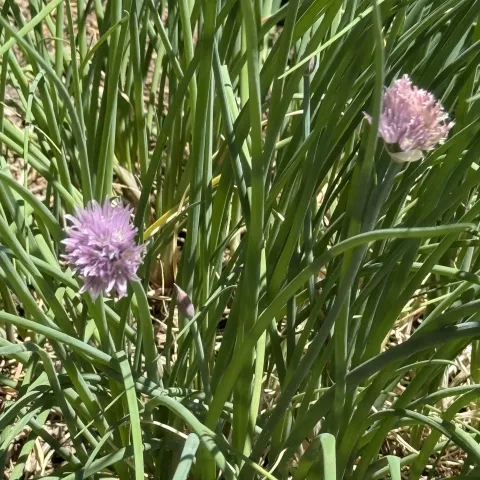
Long tubular green leaves with lavender ball flowers
UC Master Gardeners of Santa Clara County: Page

Chives

Chives, Allium schoenoprasum, or “onion chives,” are a herb belonging to the same family as garlic, scallions, and onions. They are grown for their edible leaves and flowers. The flowers are attractive to pollinators and are frequently visited by many types of bees. Grown in clumps, their slender leaves rise…
View Page
Primary Image
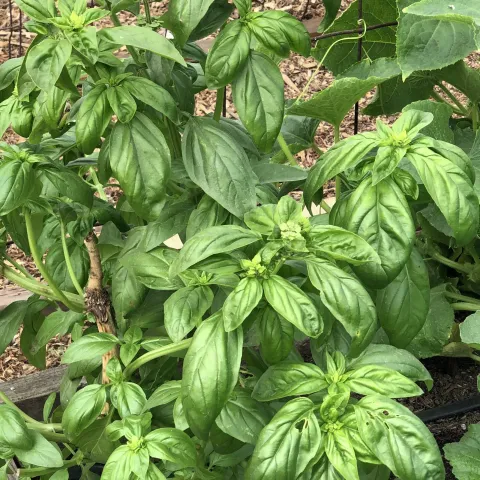
Lush green basil leaves
UC Master Gardeners of Santa Clara County: Page

Basil

Basil (Ocimum basilicum) is a warm weather annual herb grown for both its leaves and seeds. There are many varieties of basil including Sweet, Thai, Lemon, Genovese/Italian, Purple Leaf, and Tulsi or Holy Basil. Growing techniques are common for most, although African Blue Basil is grown as a tender…
View Page
Primary Image
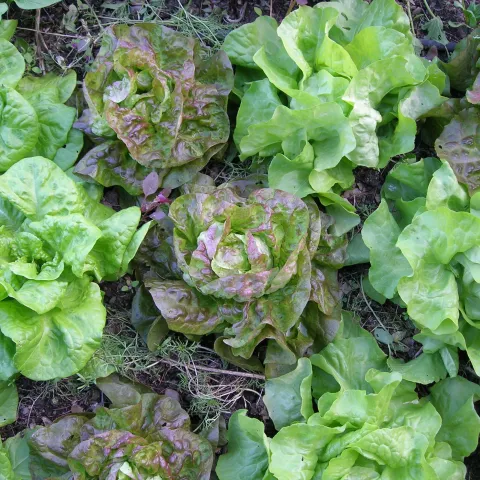
Green and red butter lettuce growing in a garden
UC Master Gardeners of Santa Clara County: Page

Fall Garden Fair Vegetables

Fall Garden Fair vegetable descriptions. In Santa Clara County, we can grow delicious vegetables year round. Our cool season lets us grow vegetables that are typically grown as early spring vegetables elsewhere in the U.S.
View Page
Primary Image
Sweet pea April in Paris cropped by MG Karen Schaffer
UC Master Gardeners of Santa Clara County: Page

Fall Garden Fair Ornamentals

Fall Garden Fair ornamentals descriptions. Some cool season ornamentals bloom in the winter while others grow slowly then explode into flower for fabulous spring blooms. Plant in September through October for beautiful bouquets in a few months.
View Page
Primary Image
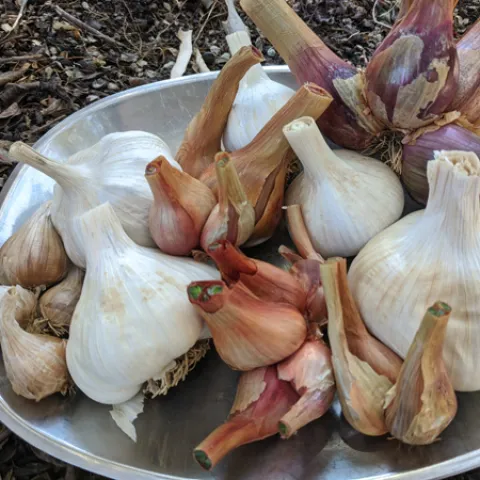
Photo: Garlic and shallots
UC Master Gardeners of Santa Clara County: Page

Fall Garden Fair Garlic and Shallots

Fall Garden Fair garlic and shallots descriptions. Garlic and shallots grow beautifully over the winter in Santa Clara County. Plant garlic and long-season shallots in the fall for harvesting in June through July.
View Page
Primary Image
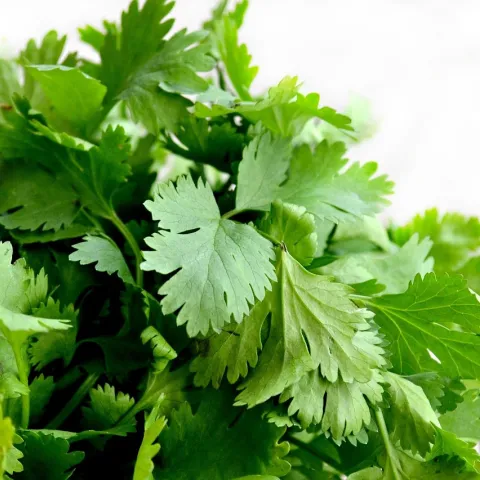
Green cilantro leaves
UC Master Gardeners of Santa Clara County: Page

Fall Garden Fair Herbs

Fall Garden Fair herbs descriptions. There are many herbs that grow well or even grow best in the cool season in Santa Clara County. Fall is also a great time to plant perennial herbs because it lets them get well established over our rainy season. Listed below are the herb seedlings that we will be offering.
View Page
Primary Image
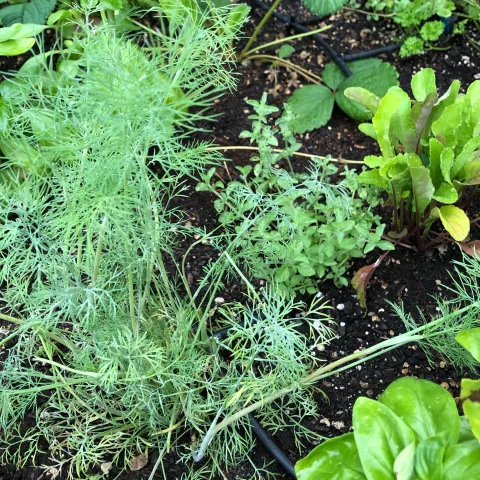
Herb garden by Pam Roper
UC Master Gardeners of Santa Clara County: Page

Herb Gardening Basics

This page contains top tips for growing a successful herb garden. Topics include location in yard, watering needs, and fertilization.
View Page
Primary Image
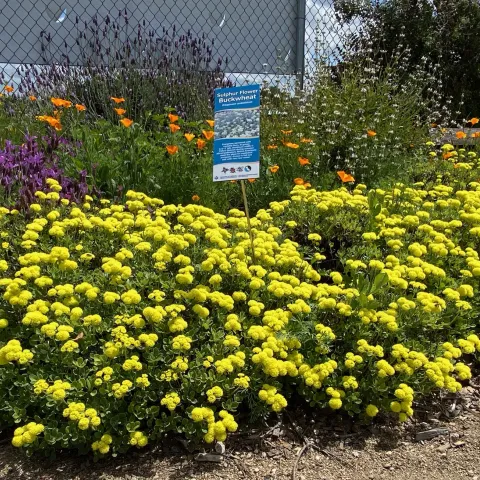
Low mounds of plants with bright yellow flowers
UC Master Gardeners of Santa Clara County: Page

Mornings at Martial Cottle Park

Mornings at Martial Cottle Park provides three different field trips to schools, homeschoolers, and other groups throughout Santa Clara County. The target age group is kindergarten through 3rd grade.
View Page
Primary Image
Orange, lemon and grapefruit slices, by Joanna Malinowska
UC Master Gardeners of Santa Clara County: Page

Growing Great Citrus

Citrus are attractive, long-lived evergreen plants that require sun and warmth to produce flavorful fruits. Choose the sunniest, warmest location available. A southwestern exposure or a location that receives reflective warmth (from a surface such as a driveway, patio, wall, or pool) would be excellent.
View Page